
The USA already had a president elected with just one delegate difference
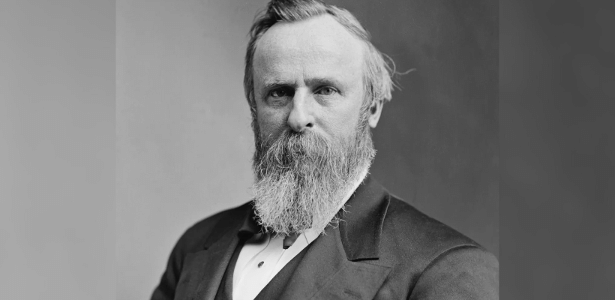
That year’s election was in the hands of three Southern states: Florida, Louisiana and South Carolina. The search for support created a heated dispute between the candidates – which almost led to a new civil war.
Fraud, intimidation and violence in these districts by both campaigns marked the final stretch of the election. Election boards in the three Republican-controlled states were responsible for determining which votes were valid. These bodies also had the authority to discard those they considered fraudulent.
With this scenario, the validity of votes in Florida, Louisiana and South Carolina became an impasse. In an attempt to resolve the conflict, Congress created the Federal Election Commission, made up of members of the Senate and the Supreme Court. The group should also be composed of the same number of Republicans and Democrats, as well as an independent, who would be the judge. But, in practice, the Commission ended with a Republican majority.
In the end, the Commission awarded victory in the three southern states to Hayes, who was elected with 185 electoral votes to 184. The decision was widely criticized by Tilden’s supporters, who considered it a partisan maneuver in favor of the Republican. Democrats also vehemently denounced the actions of electoral boards, accusing them of manipulating the results.
That year’s elections had the highest voter turnout in history, at 81.8%. Economic depression, the climate of discontent and the desire for change are some of the factors that made so many people mobilize.