
This Hong Kong billionaire invests 25% of his fortune in gold
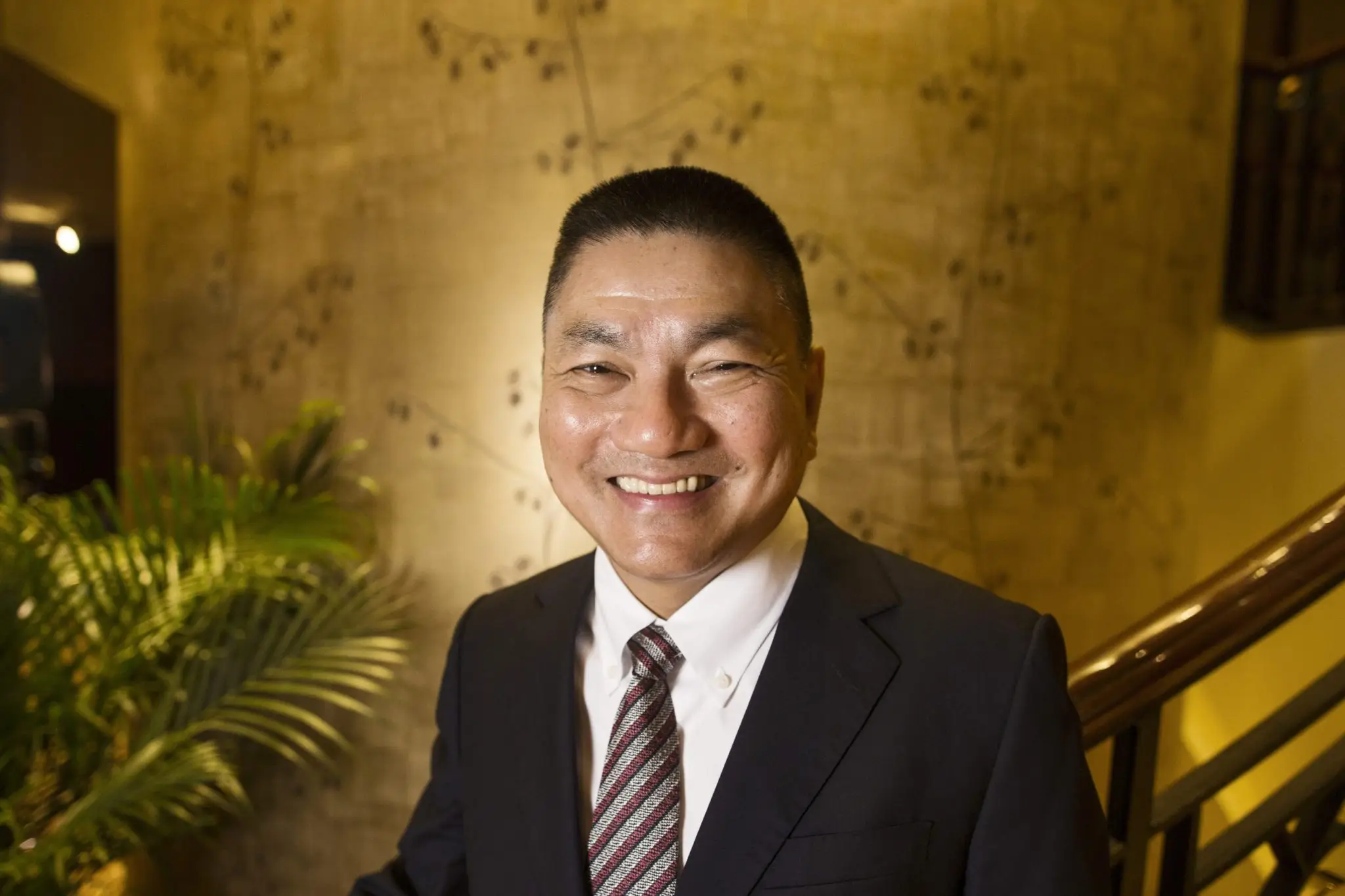
Hong Kong billionaire Cheah Cheng Hye has quietly turned a quarter of his fortune into gold, betting that in an era of sanctions, asset confiscation and geopolitical shocks, nothing beats the metal you can touch.
“If you have the physical gold in the warehouse or in the bank vault, no one owes you anything,” he told Bloomberg News last week.
Also read: AI, gold and the dollar: the triad that could redefine investments in 2026
While he didn’t confirm his family office’s performance or holdings, a source told Bloomberg that precious metals make up about 25% of the $1.4 billion portfolio.
Cheah, 71, built Value Partners Group into a Hong Kong asset manager with billions of dollars under management and is an outlier in the world of ultra-wealthy investors.
The UBS Global Family Office Report 2025 points out that the average allocation to gold and other precious metals was just 2% in 2024. Still, the billionaire urged investors to completely rethink their asset composition, advocating a portfolio divided into 60% stocks, 20% bonds and 20% precious metals, led by gold.
Cheah’s Bloomberg interview came after the 2025 gold boom, when a series of geopolitical shocks led investors to seek safety in yellow bars, but before the metal set a new record, surpassing the $5,000 per ounce (31 grams) mark for the first time on January 24.
As Fortune’s Jim Edwards noted, just before this new milestone, Trump’s so-called “Taco trade” has been boosting the price of gold, as central banks accumulate bullion to hedge against the dollar.
JPMorgan analysts wrote in mid-2025 that further gold surges could be on the way if — and when — foreign investors continue to move away from U.S. Treasuries.
“Escape to the coffers” and distrust of the West
Behind the gold rush is Cheah’s conviction that global finance has entered what he calls a period of great “drain to the coffers.”
The freeze on Russian assets following the 2022 invasion of Ukraine, plus more recent tensions involving Venezuela and Iran, have convinced him that politically exposed resources are safer closer to home.
Wealthy Asian families, he argued, are increasingly repatriating resources to protect themselves from U.S. sanctions or possible asset confiscation.
For these investors, he said, physical bullion is the safe haven of choice. Cheah’s positions are backed by gold held in a Hong Kong government warehouse at the city’s airport, and he insists that Asia-based wealth should favor the metal held in vaults over “paper gold” like purely synthetic products.
His mantra — that no one owes you anything if you own the metal — captures both skepticism about Western financial machinery and a deeply conservative instinct for security.
Cheah’s turn to gold is also institutional. Frustrated with Western custody arrangements after he began buying the metal in 2008, he helped launch the Value Gold ETF in 2010, designed to store physical gold at the Hong Kong airport facility.
He remains the fund’s largest shareholder, with a stake valued at about 1.3 billion Hong Kong dollars, or roughly $167 million, people familiar with the matter told Bloomberg.
Cheah’s optimistic stance was also reinforced by the markets. At the start of 2026, gold, silver, copper and tin reached record levels, driven by expectations of monetary easing from the Federal Reserve, political pressure from President Donald Trump’s administration and persistent geopolitical tensions.
Silver, which he also likes, has practically tripled in the last year, easily outpacing even gold’s gains.
While Cheah may be an outlier among ultra-wealthy investors, more financial heavyweights have also come around to his point of view.
JPMorgan CEO Jamie Dimon, for example, told Fortune in November that, for the first time in his life, it was “semi-rational” to have gold in a portfolio.
In the same month, “bond king” Jeffrey Gundlach claimed that gold had become a “real asset class,” no longer restricted to “survivalists” or “crazy speculators.”
Instead, he said, people are allocating “real money because it’s real value.” Gundlach suggested maintaining an allocation, perhaps around 15% of a portfolio, as the asset had been going through a period of consolidation.
Cheah began his career as a financial journalist at the Asian Wall Street Journal and Far Eastern Economic Review, before establishing the Hong Kong/China equities research department at Morgan Grenfell Group in Hong Kong, where he was also head of research and proprietary trader.
About a decade ago, in a Q&A with Value Partners, he stated that the stock market “is about the hopes and fears of a society. Stock prices rise or fall in response to people’s hopes or fears. You also have to understand psychology, politics, social issues, and put everything in historical and cultural context. Only when you understand the full range of factors that make people feel hopeful or fearful can you make good decisions about whether the market is likely to rise.” or fall. I can think of no work more fascinating than this.”
