
Toffoli proposes situations in which networks must remove content before notification
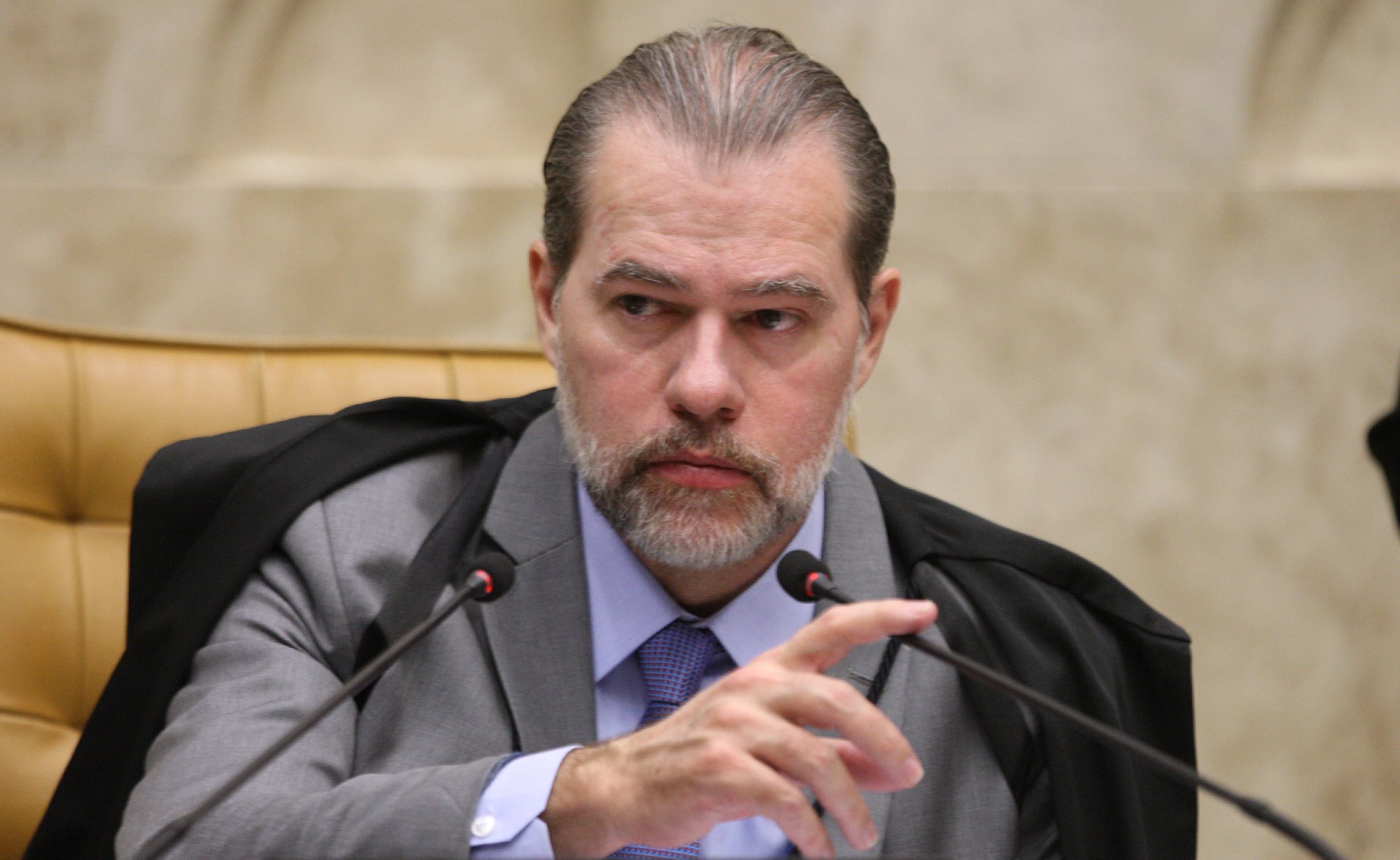
Minister Dias Toffoli, of the Federal Supreme Court (STF), proposed two social media liability regimes for content to replace the current one, provided for in article 19 of the Marco Civil da Internet.
As a general rule, the minister argued that illegal and offensive content must be removed after notifying the user. If they do not remove them within a “reasonable period of time”, the platforms are subject to liability, such as fines.
The exception to this rule is in cases that he considers “especially serious”, such as risks to the Democratic Rule of Law, public health or the electoral process. In these situations, which he listed in his vote, platforms must act even before the user is notified.
“As providers profit from this, they must bear the risks and losses they cause,” argued Toffoli. He is the rapporteur of one of the actions that discuss the constitutionality of article 19 of the Marco Civil da Internet, which establishes that platforms can only be held responsible for damages caused by posts if they fail to comply with a court removal order. The minister considered that this article offers immunity to platforms and is unconstitutional.
STF resumes judgment on social media responsibility with Toffoli vote
The case’s rapporteur at the Court, Minister Dias Toffoli, has already said that he considers the current liability regime, provided for in article 19 of the Marco Civil da Internet (MCI), unconstitutional
“If there is reasonable doubt about the configuration of one of these particularly serious illegal practices, the platform can use article 21 (general rule) and wait for a notification”, he explained.
He also said that the general rule does not resume the regime prior to the Marco Civil da Internet – the so-called notice and take down, or notification and withdrawal. He stated that his proposal, in fact, is “notify and analyze”. In other words, the platform can analyze whether the reported content is illegal and, if it considers that there is no irregularity, the case can be decided in the Judiciary.
The judge also defended that his vote seeks to “be respectful of Parliament” and seeks in “the Internet Civil Framework itself a legal framework to be the general rule for resolving conflicts that arise on platforms”.

ACCESS NOW