
Trio of PSD presidential candidates adopts ‘moral authority’ and suggests reform of the STF
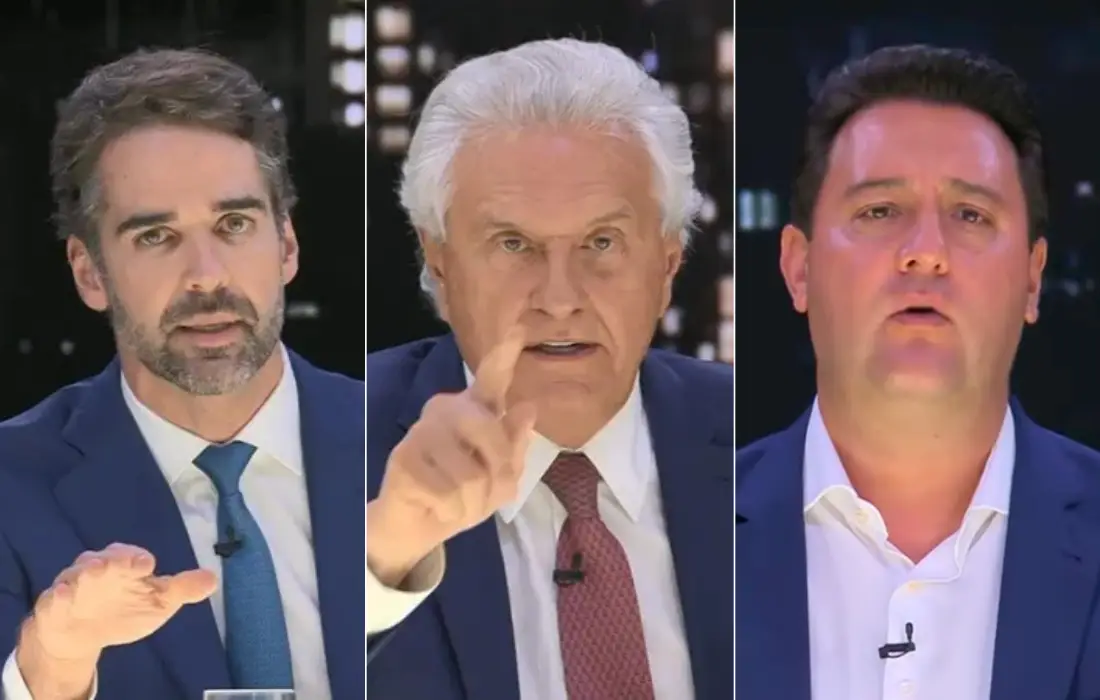
The trio of PSD presidential candidates, formed by governors Eduardo Leite, from Rio Grande do Sul, Ratinho Júnior, from Paraná, and Ronaldo Caiado, from Goiás, started to adopt the mantra of the “moral authority” of the President of the Republic to try to position themselves in a polarized dispute between the current occupant of the position, Luiz Inácio Lula da Silva (PT), and senator Flávio Bolsonaro (PL), from Rio de Janeiro.
On the night of this Sunday, the 15th, in a joint interview with the program “Canal Livre”, on TV Bandeirantes, they mentioned the term on several occasions and when commenting on everything from the Banco Master scandal to suggestions for political and institutional reforms that change the model for appointing and serving time for ministers of the Federal Supreme Court (STF).
— We had an election about Mensalão, another about Lava Jato and we are facing an election now that has Banco Master as a major scandal. These scandals cannot be admitted, and we must clearly show our willingness to face these issues. Punish whoever, high-ranking authorities who are involved, wherever they are — claimed Leite, adding that whoever is elected needs to “have the ability to morally lead” the debate in Congress.

Orleans Brandão launches pre-candidacy jingle adapted from Lula’s campaign
At the event, the pre-candidate reiterated that his political group will support Lula’s re-election to the presidency

Alongside Flávio, Marcos Rogério launches a pre-candidacy for the government of Rondônia with PL
In the state, deputy Fernando Máximo was also a member, who will be a candidate for the Senate for Roraima
The governor of Rio Grande do Sul defends a minimum age of 60 for ministers of the Supreme Court, which would bring a kind of 15-year term, due to the limit for retirement at 75, and also a greater limitation on monocratic decisions. Ratinho speaks of exclusive origins in the judiciary and prohibition of family members in law firms that work in the Court. Caiado, in turn, understands that the agenda is linked to the vote for senator and naturally should take place in 2027, as well as the end of the hangings in the Judiciary.
— The issue today is “focused” on whether or not you like a minister or a president of the Chamber. It has to be dealt with institutionally and, above all, we are in a presidential regime: the president has to have the moral authority to sit at the table and make institutional advances — repeated the man from Paraná.
Caiado returned to the mantra when criticizing the proposed amendment to the Constitution that ends the 6×1 working day, referring to six days worked for one day of rest. According to him, this is a “demagogic” measure by the Lula government that puts deputies and senators against the wall in an election year.
— If there was a serious, honest and responsible president, would this matter be discussed? Will any deputy or senator, based on this thesis sold by them, that you will work less and earn the same amount, vote against it? So, take a good look at the catch. He has no responsibility to be president of the Republic – he said. — One does not govern on one’s knees, cowering, shackled or harnessed by other powers. That chair needs to have a statesman sitting in it again.
