
Trump orders the use of the Armed Forces against Latin America drug cartels
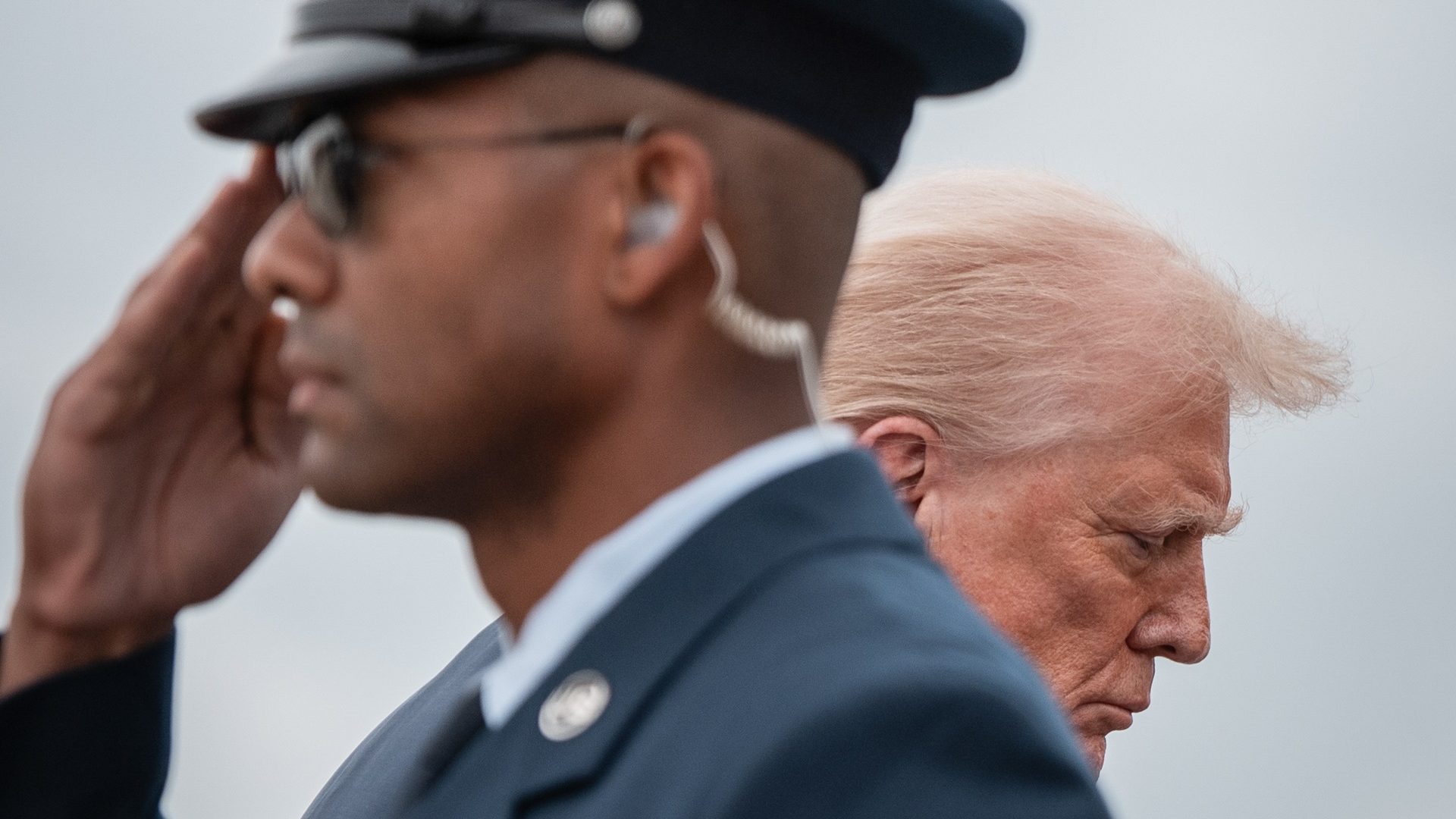
United States President Donald Trump has secretly signed an order to the Pentagon to employ military force against certain Latin American drug cartels that his government has classified as terrorist organizations, according to sources with knowledge of the subject.
The decision to directly involve the Armed Forces in the offensive represents, so far, the most aggressive step of the government’s escalation against the cartels. It is a sign that Trump is willing to use military means to execute what is traditionally considered police task: contain the flow of fentanyl and other illegal drugs.
The Order creates an official base for possible direct military operations, both on the high seas and in foreign territory, against these groups.
Take your business to the next level with the help of the country’s leading entrepreneurs!
Sources claim that military authorities have already begun to elaborate options for troops, but on condition of anonymity, given the sensitivity of internal discussions.
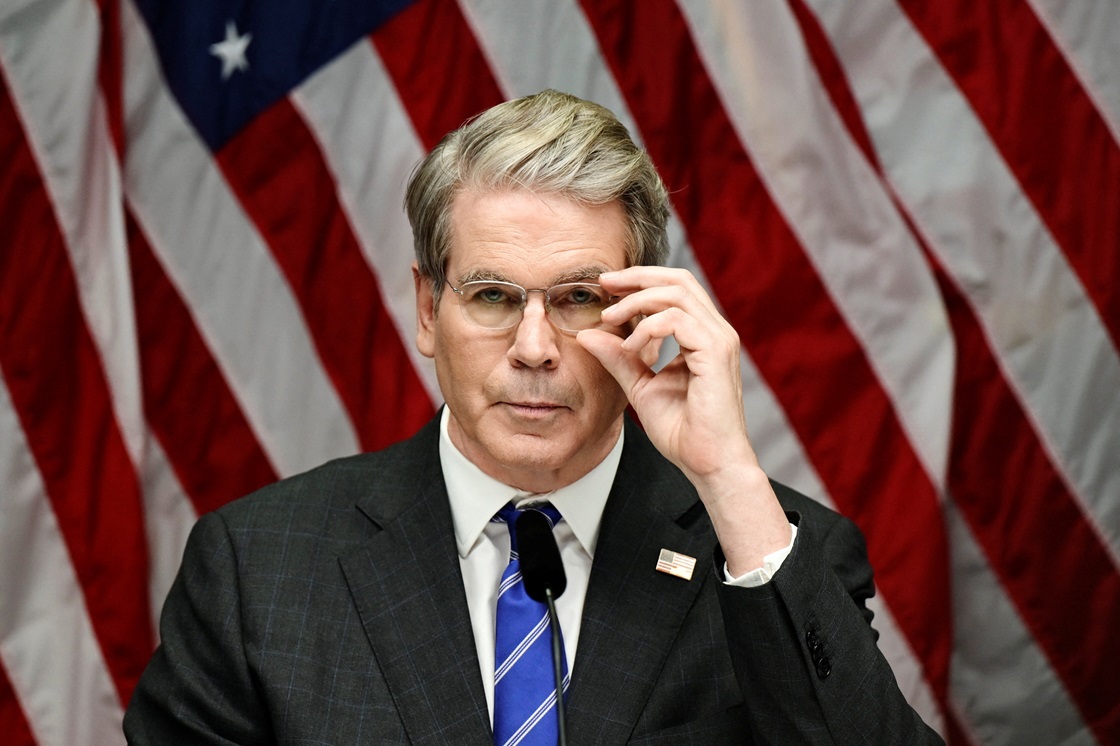
Trump is using fares as a foreign policy instrument, says Bessent
US Treasury Secretary states that secondary tariffs have been imposed on India and that measures against China are also being considered to press allies in the Ukraine War
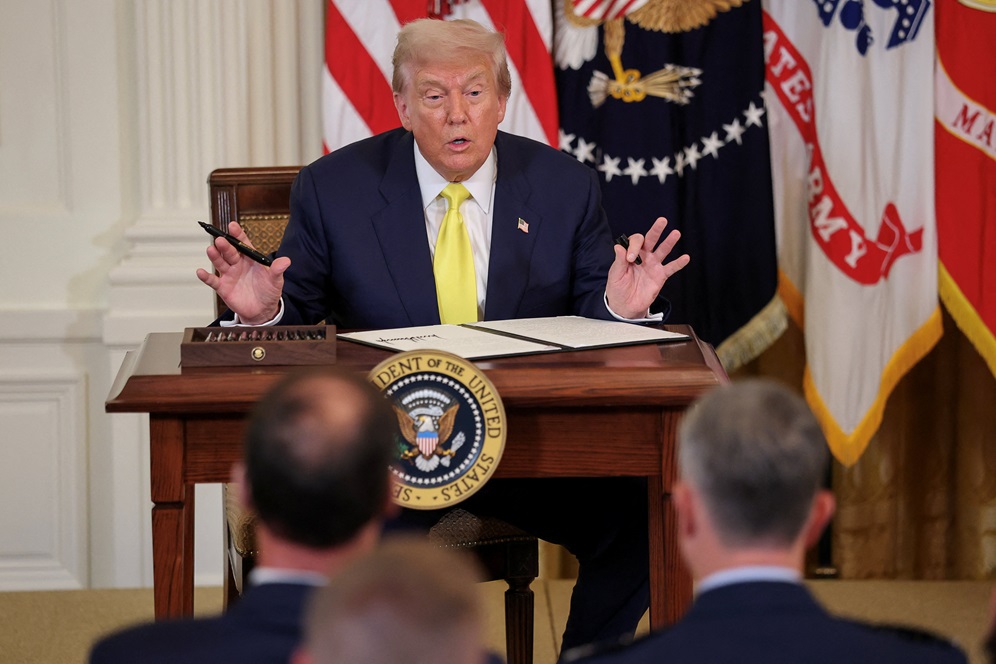
Trump minimizes deadline to Putin to end Ukraine War: “It will depend on it”
In a press conference at the Oval Hall, president conditions Putin’s decision, avoids confirming trilateral meeting and accuses Biden government to oversee job creation
The use of the Armed Forces against drug trafficking, however, raises legal issues. One of them could be considered “homicide” in the US military case, acting outside a congressional armed conflict, killed civilians – even if suspected of crimes – that did not represent imminent threat.
It is unclear what lawyers of the White House, the Pentagon, and the State Department have opined on the measure, nor if the Justice Department’s legal advisory office issued a formal opinion on its legality.
This year, Trump had already sent National Guard and military troops to the southern border, with the mission of blocking drugs and immigrants, as well as intensifying surveillance and interception operations.
In resuming the position in January, Trump ordered the State Department to begin labeling drug cartels as foreign terrorist organizations.
He has especially targeted groups from Venezuela and Mexico. In February, the State Department included Tren de Aragua, Mara Salvatrucha (MS-13) and other organizations on the terrorism list, claiming that they represent “a threat to national security beyond traditional organized crime.”
Two weeks ago, the government has added Venezuela’s Los Soles cartel to a list of specially designated global terrorist groups, stating that he is headed by President Nicolás Maduro and other senior regime officials.
Last Thursday, the Justice and State Departments announced that the US government doubled to $ 50 million to the reward for information leading to the arrest of Maduro, accused of drug trafficking. Attorney General Pam Bondi said he “will not escape the courts and will be held responsible for his despicable crimes.”
Asked about the presidential authorization for the use of military force, White House spokesman Anna Kelly said by email that “President Trump’s number one priority is to protect the homeland, so he made the bold decision to designate various cartels and gangs as foreign terrorist organizations.”
The Pentagon refused to comment.
Unilateral military attacks on cartels would represent a leap in anti -drug strategy, placing American troops on the front line against frequently well -armed and financed organizations. A prolonged campaign would also bring new debates about Trump’s attempt to use the military more aggressively in various areas, often challenging legal and constitutional limits.
Historically, US anti -drug operations in Latin America operated at the time of the law – and, in general, as support for police forces. In 1989, for example, President George HW Bush sent more than 20,000 soldiers to Panama to arrest Manuel Noriega, accused of trafficking. The action was condemned by the UN as a “flagrant violation of international law”.
In the 1990s, the military helped Colombia and Peru anti -drug authorities with intelligence information, but cooperation was suspended when these governments began to overthrow suspicious civil aircraft. The US Congress later amended the law to allow this kind of support.
The Navy also intercepts suspicious vessels in international waters, but usually under the coast guard. The 1878 American Law, Comitatus Act, prohibits the use of the Armed Forces in police functions within the country.
Trump’s new order, however, points to another way: American troops capturing or eliminating directly involved in trafficking.
According to the Secretary of State and National Security Advisor, Marco Rubio, classifying cartels as terrorists allows the US to “use other power instruments – intelligence agencies, defense department, whatever – to attack these groups when there is opportunity.”
Legal experts point out that, in American law, to declare a “terrorist” group authorizes to freeze assets and restrict movements, but does not give permission to military -style military actions.
In the 2024 campaign, Trump promised to send special and naval forces to “declare war to cartels.” The former Navy General, James E. McPherson, says that using military force in foreign territory without consent of local government would be “serious violation of international law” except in very specific cases.
Within the US, there is another limitation: Congress authorized the use of force against al-Qaeda after 11 September, but this authorization does not extend to any group that the executive classifies as a terrorist. Possible military action against cartels would therefore depend on national self -defense allegations – possibly linked to the fentanyl overdose epidemic.
There is no clarity on which engagement rules would be applied. Operations aimed at killing people just because they are suspected of joining a sanctioned cartel, outside an armed conflict, could violate laws against murder and executive orders that prohibit murders, warns experts.
The theme also involves political disputes within the government: Trump has fired legal bosses from the Armed Forces and reduced the role of the Department of Justice’s legal advisory office, a traditional guardian of federal policy legality.
The offensive against cartels as terrorist organizations includes Mexican groups and even Haitian gangs. In April, Trump proposed to Mexico President Claudia Sheinbaum, to allow American military action in Mexican territory – a rejected proposal.
According to the Treasury Department, the Los Soles cartel cooperates with the Aragua Tren and the Mexican Sinaloa cartel, threatening “the peace and security of the United States.”
The fight against cartels that traffic drugs, people and other illicit has dominated part of Trump’s foreign and internal policy in this second term. American officers confirm that the country has intensified secret drone flights over Mexico to locate fentanyl laboratories – an operation started in the Biden government, but expanded by Trump and its CIA director John Ratcliffe.
So far, these drones are not allowed for lethal attacks. The information collected is passed on to the Mexican authorities.