
TSE prohibits dissemination of content made by AI 72 hours before the election
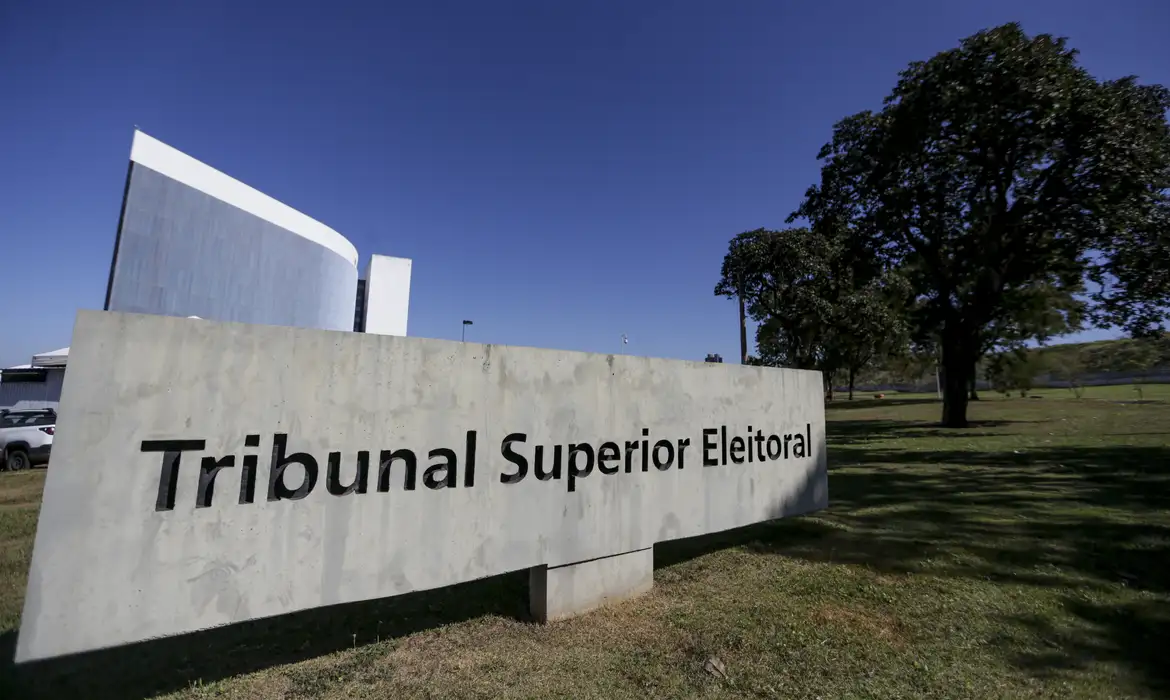
The Superior Electoral Court (TSE) approved this Monday a proposed resolution that updates the electoral propaganda rules for the 2026 elections, focusing on the use of artificial intelligence, holding digital platforms accountable and combating misinformation. The text, reported by Minister Nunes Marques, prohibits, in the 72 hours before the election and in the 24 hours after its closing, the publication, republication or promotion of new content produced or altered by artificial intelligence.
The draft determines that any advertisement that uses an image, voice or content manipulated by AI must inform, in an “explicit, prominent and accessible” way, that it is manufactured or altered material, also indicating which technology was used. The requirement also applies to printed material.
Eduardo Leite focuses on depolarization if he runs for President
Governor Gaucho presents himself as an independent path against Lula and Bolsonaro, competing for the Planalto seat with Ratinho Jr. and Ronaldo Caiado until mid-April

In search of reducing rejection, Flávio incorporates the fight against feminicide in his campaign
Pre-candidate for the Presidency signaled that he will adopt an agenda that also mobilizes President Luiz Inácio Lula da Silva (PT)
“The use in electoral propaganda, in any modality, of synthetic multimedia content generated through artificial intelligence or equivalent technology to create, replace, omit, merge or change the speed or superimpose images or sounds, imposes on the person responsible for the propaganda the duty to inform, in an explicit, prominent and accessible way, that the content was manufactured or manipulated and which technology was used”, says the resolution.
In addition to mandatory labeling, the text prohibits, in the 72 hours prior to the election and in the 24 hours following the close of voting, the publication, republication, even if free, or the promotion of new synthetic content that uses the image, voice or expression of a candidate, candidate or public person, even if they are duly identified as produced by AI.
“The publication and republication, even if free of charge, as well as the paid promotion of new synthetic content produced or altered by artificial intelligence or equivalent technologies that use the image, voice or expression of a candidate or public person, even if labeled and in accordance with the other requirements of this article, in the period between the 72 (seventy-two) hours preceding and the 24 (twenty-four) hours following the end of the election are prohibited”, says the resolution.
In case of non-compliance, the resolution provides for immediate removal of the content or unavailability of the service, on the initiative of the provider or by court order. The draft also authorizes the reversal of the burden of proof in actions that discuss digital manipulation, when it is excessively burdensome for the author to demonstrate the irregularity. In these cases, it will be up to the person responsible to prove how the technology was used and the veracity of the information conveyed.