
UN hides Portinari’s ‘War and Peace’, and son wants to tour the world
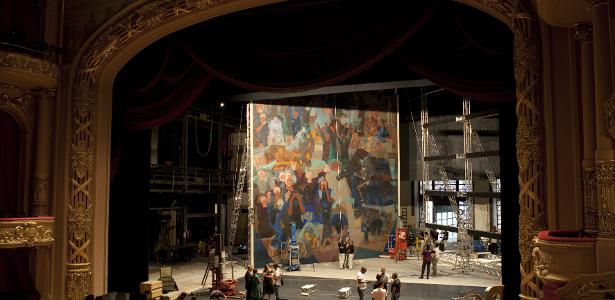
The reason for his comment is the UN’s decision to prevent the screens from being visited on tours organized for tourists from around the world to the building. Nor can journalists who cover UN meetings daily have access. The paintings are in a reserved area, where only diplomats pass.
And, even so, the space became a place for exhibitions of other initiatives, breaking the unity between the two giant canvases — “War” and “Peace” — that oppose each other. While Portinari’s son examined his father’s work, negotiators and ambassadors walked around the place, ignoring the paintings or already accustomed to them.
João said that this is not the first time that the screens have disappeared from the public. In the early 1950s, the then secretary-general of the newly created UN, Trygve Lie, asked governments around the world to present the institution with works of art that represented their respective cultures.
The Brazilian government commissioned Portinari to produce a play that dealt with war and peace. The murals were placed at the entrance to the General Assembly, in an arrangement in which the negotiators would face the war, at their entrance. And when you leave, peace. A kind of visualization of their work as negotiators in a world without armed conflicts.
The panels arrived at the UN in 1956. But they remained in crates for a whole year. “My father was very worried (about the possibility) that they might spoil,” said his son. “There was even a movement of artists and intellectuals who suggested that Brazil ask for the works back,” he said.
While the panels were closed, diplomats discussed whether they should be placed elsewhere in the building. “There was a debate about whether that lobby should be used for a work by Pablo Picasso,” João reported.