
War in Iran: Elite tax haven Dubai could suffer catastrophic losses
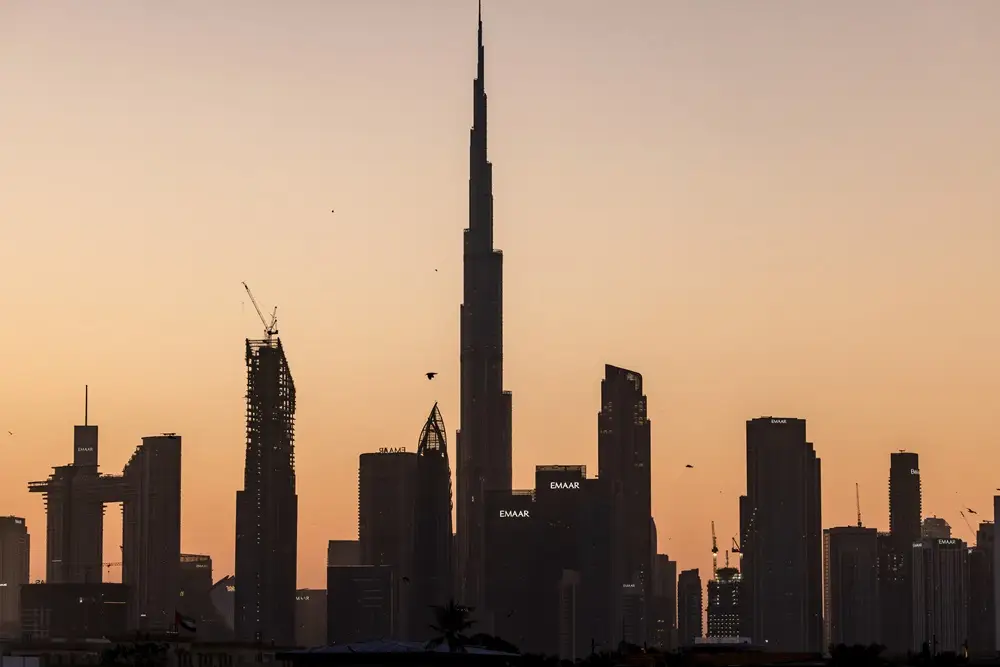
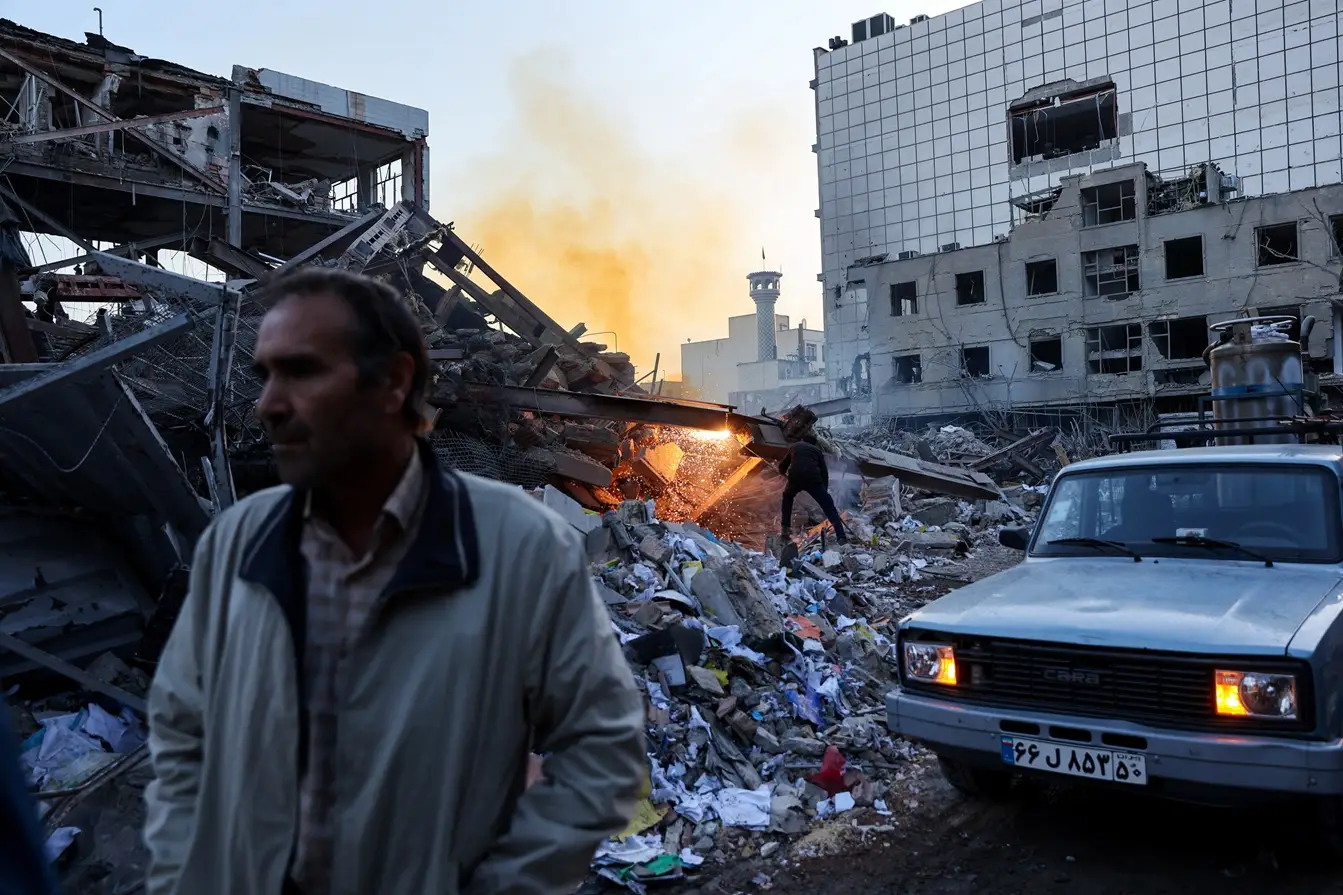
Iran’s retaliation for the US and Israeli bombing campaign has focused heavily on its neighbors around the Persian Gulf, threatening their status as destinations for financial giants, billionaires and wealthy tourists.
The region’s success in attracting capital from around the world over the years and diversifying its economy away from oil could also make it a threat to global markets.
Escalation of tension in Iran redesigns inflation and interest rate scenario in Brazil?
The military attack on Iran raised the alarm for the Brazilian economy. With the risk of a shock in the oil supply, analysts project pressure on the IPCA and possible changes in the Selic rate cut cycle by the Central Bank.
UAE and Qatar ask allies for help so Trump backs down from crisis with Iran
The two countries are trying to form a broad coalition to promote a quick and diplomatic end to the conflict, to avoid a regional escalation and a prolonged shock in energy prices.
“I moved to Qatar to avoid taxes and now I’m hiding from missiles”, joked in X a professional in the financial sector who has been recording the waves of Iranian air strikes from the balcony of his apartment.

Although the United States has military bases in the region that have also been targeted, analysts say Iran’s strategy is to inflict pain on American allies in the Middle East, including the United Arab Emirates, in the hope that they will pressure President Donald Trump to end combat operations.
Until then, however, social media is being flooded with images of luxury tourist spots literally in flames, as Iran continues to launch missiles and drones at them.
An air raid on the Fairmont The Palm hotel in Dubai sparked a fire and spread panic on the famous artificial island Palm Jumeirah, where many of the city’s wealthiest residents live.
Smoke was also seen near the Burj Khalifa, the world’s tallest building, after a drone was apparently intercepted and exploded. And in neighboring Abu Dhabi, debris from another drone hit the Etihad Towers. Kuwait City’s international airport was also attacked by a drone.
Meanwhile, DP World suspended operations at the port of Jebel Ali — the Middle East’s largest container port and a key player in Dubai’s economy — after a pier caught fire because of debris from an intercepted missile.
The port and adjacent free trade zone account for 36% of Dubai’s GDP, and hundreds of ships near the Strait of Hormuz remained idle out of concern over the developments.
Furthermore, Iran’s attacks led to the closure of airspace around the Gulf, which has established itself as an important global aviation hub and is also a major driver of the regional economy.
“What is happening in the UAE could be catastrophic unless they pressure Trump to defeat Iran quickly and decisively or to back down immediately,” warned Marko Kolanovic, former chief strategist at JPMorgan, on X. “With 88% expatriates, and heavy reliance on tourism, finance, aviation and shipping, this could also send shockwaves across the world.”
He highlighted that Dubai suffered a property crisis in 2009 and 2010 that was largely confined to the city but still had implications for global financial markets.
“This situation is much worse,” Kolanovic added.
A central question for Dubai’s future is how many expatriates will flee and whether they will eventually return now that their sense of security has been shaken.
Dubai has long cultivated a foolproof security image, with many residents leaving cars and homes unlocked. But Iran’s attacks sparked a rush to airports and panic buying in some supermarkets.
“This is Dubai’s ultimate nightmare, as its very essence depended on being a safe oasis in a turbulent region,” Cinzia Bianco, a researcher at the European Council on Foreign Relations, wrote in X. “There may be a way to be resilient, but there is no going back.”
