
Where was the conclave before the Sistine Chapel? Pope’s choice was itinerant
Security and isolation were important for choosing the place. Since the 13th century, after the second Council of Lyon (1274), the practice of isolating cardinals has been established during the conclave. This forced the church to seek spaces that could ensure confidentiality and safety. Palaces with fortified structures or easily vigible areas became preferred, even if in many cases they had no ideal infrastructure for long stays.
Rome was not always the center of the papacy. Between 1309 and 1377, during the so -called Avinhão captivity, the conclaves were performed on French soil, especially at the Popes of Avinhão Palace.
Political instability also took the conclave to cities such as Perugia, Viterbo and even Florence. This dispersion was only contained with the strengthening of papal power and the definitive return of Curia to Rome.
The longest conclave, for example, occurred in Viterbo. The election began in 1268 at Viterbo’s papal palace and ended only 1271 – three years later. To streamline the process, locked the cardinals, rationed their food and finally partially removed the coverage of the site.
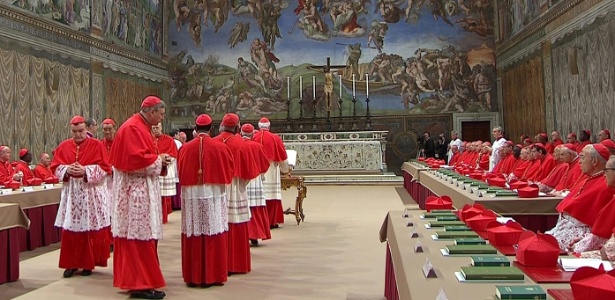
The Sistine Chapel was used from 1492. The construction, completed in 1481 by order of Pope Sisto 4 (who inherited the name), was first used as a conclave place in the election of Alexander 6th, in 1492.
