
Why Moraes removed Bolsonaro from the PF and took him to Papudinha
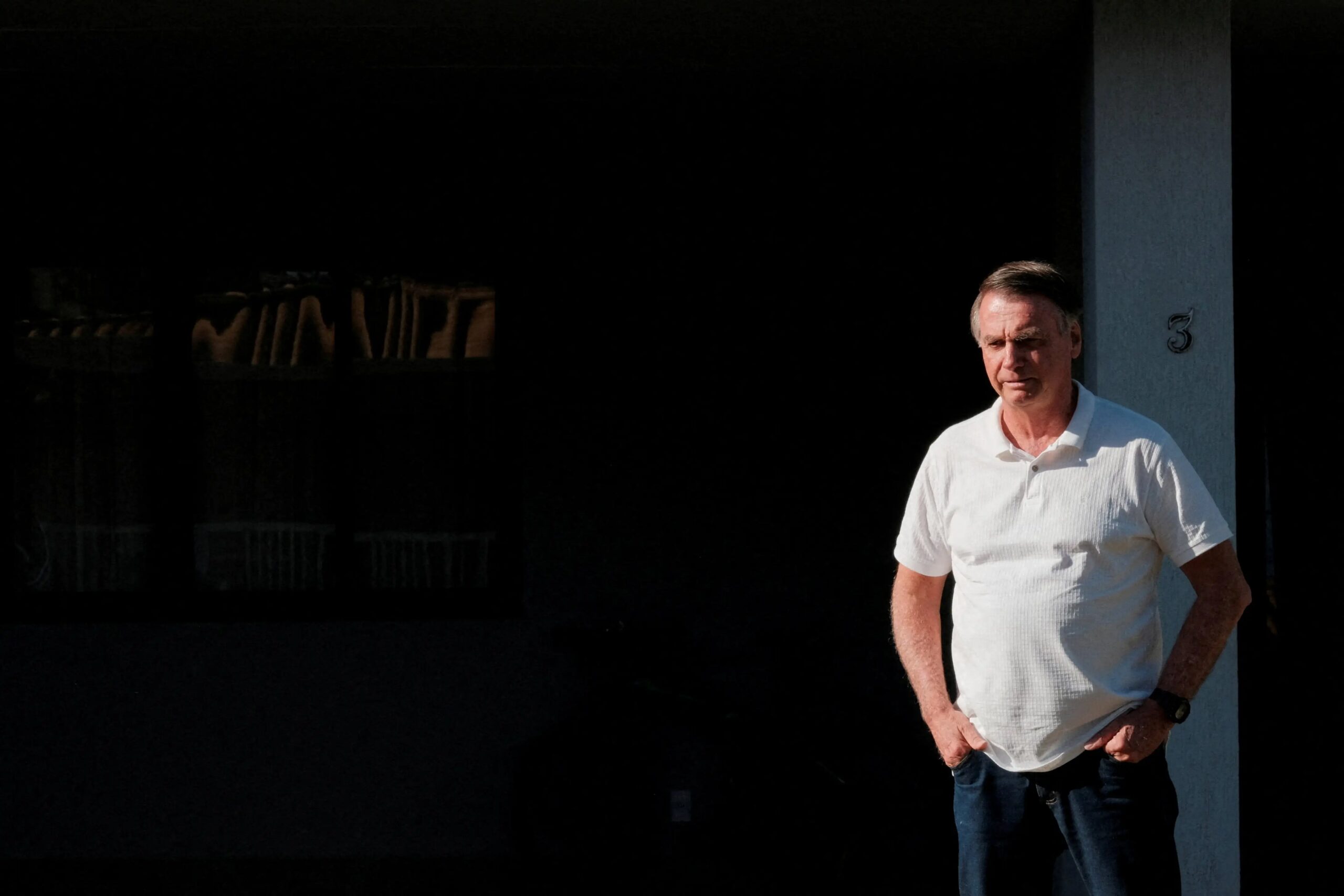
The transfer of former president Jair Bolsonaro from the Federal Police Superintendency to the so-called Papudinha, in the Papuda Penitentiary Complex, was determined by Minister Alexandre de Moraes, of the Federal Supreme Court, as a direct response to the controversies created around the former president’s custody conditions.
In the decision, Moraes states that the successive complaints made by family members, political allies and the defense, especially about noise, cell space and medical care, were not supported by official Federal Police reports.
Even so, the minister assessed that keeping Bolsonaro at the PF headquarters fed a narrative of “degrading treatment” and recurring requests for house arrest, which, according to him, constituted a systematic attempt to delegitimize the fulfillment of the sentence.
Made for you!
Bolsonaro leads rejection and presidents of the Chamber and Senate are unknown
In Congress, the presidents of the Chamber and Senate remain largely unknown to the population
Tarcísio’s allies see the game still open in the Bolsonaro succession, analysts say
The possible candidacy of the governor of São Paulo for Planalto was the subject of Mapa de Risco’s debut program
The change of location, therefore, was not motivated by recognition of irregularities, but by the possibility of accommodating the former president in a space with a broader structure and more appropriate to the demands presented by the defense, especially in the area of health.
Moraes noted that, even before the transfer, Bolsonaro was already serving his sentence in conditions far superior to those of most Brazilian prisoners, in an individual General Staff Room, with a private bathroom, air conditioning, television, minibar, exclusive sunbathing and reserved visits.
At Papudinha, Bolsonaro began to occupy a cell measuring around 65 square meters, significantly larger than the 12 square meters of the previous space. The new accommodation has separate areas for bedroom, living room, kitchen, laundry room and bathroom, as well as a private outdoor area for sunbathing without the need for an appointment.
According to the minister, the structure allows for better organization of the routine, including the preparation and storage of food, a point raised by the defense due to medical recommendations.
Another central factor cited by Moraes was health care. The penitentiary complex has its own medical center, with a multidisciplinary team, including doctors, nurses, psychologists, a psychiatrist and a physiotherapist. The minister also authorized the installation of physiotherapy equipment and adaptations in the room, such as support bars and bed rails, following reports of a fall suffered by Bolsonaro when he was still in custody at the PF.
The decision also expanded the visiting regime, granting permanent access to immediate family members, such as former first lady Michelle Bolsonaro and her children, without the need for prior judicial authorization, in addition to authorizing weekly religious assistance. On the other hand, Moraes maintained the rejection of requests considered incompatible with the closed regime, such as the installation of a smart TV with internet access.
When justifying the transfer, the minister emphasized that the measure does not transform serving the sentence into a “holiday camp” and does not represent a concession to political pressure. According to him, the change seeks to end artificial disputes over custody, guarantee adequate conditions for the prisoner’s health and preserve the authority of the judicial decision.
Moraes also ordered that a medical examination be carried out by a Federal Police board, the report of which will serve as the basis for analyzing a new request for humanitarian house arrest presented by the defense.
