
Why Trump is betting on a Maduro ally to lead Venezuela
It was a step further for Venezuelan President Nicolás Maduro.
In late December, Maduro rejected an ultimatum from President Donald Trump to leave office and go into exile in Türkiye, according to reports from Americans and Venezuelans involved in transition negotiations.
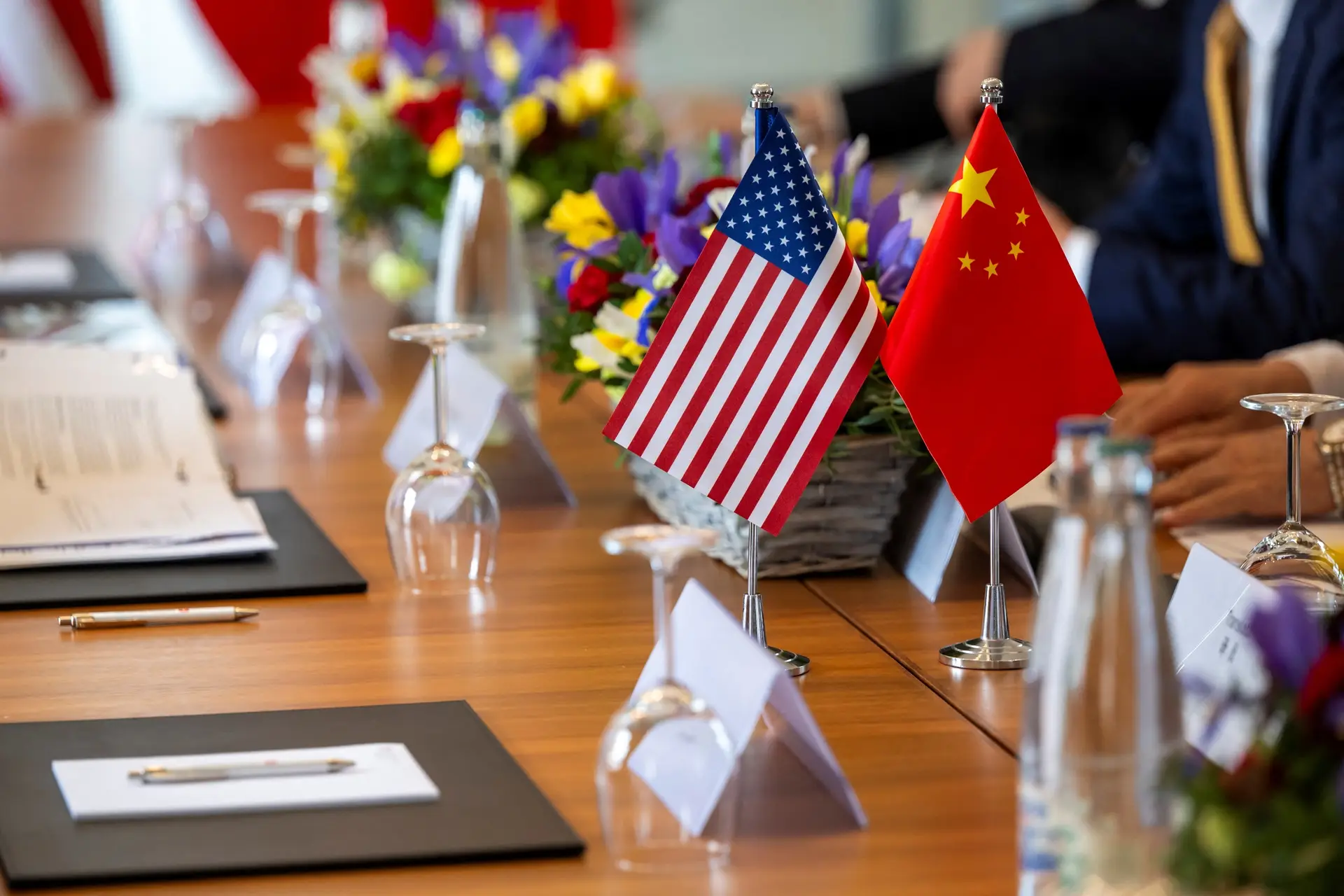
China asks the US to immediately release Nicolás Maduro and his wife
He reiterated that the North American initiative “clearly violates international law, the basic norms of international relations and the purposes and principles of the UN Charter”
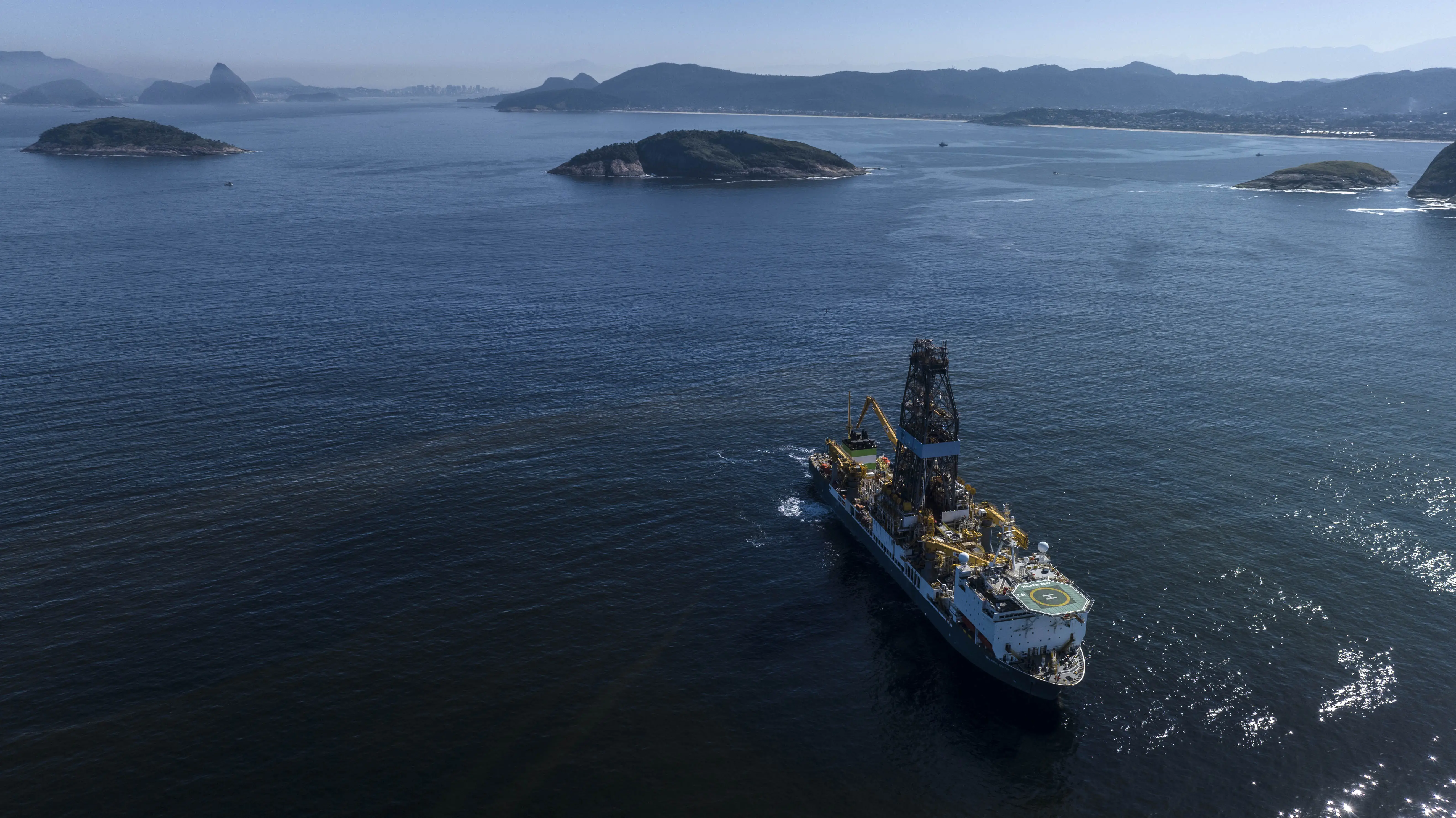
Oil, gold, stocks: what are the effects of the attack on Venezuela on the markets?
Analysts see an impact mainly for oil, but also monitor effects on precious metals
Last week, Maduro appeared in public again, ignoring the US escalation – an attack on a pier that, according to the Americans, was used for drug trafficking – by dancing to electronic music on state television, while his recorded voice repeated in English: “No crazy war”.
These public displays of lack of concern led some of Trump’s team to believe that Maduro was mocking them and trying to bluff, according to two sources who spoke on condition of anonymity.
In view of this, the White House decided to carry out its military threats.
On Saturday, an elite US military team invaded Caracas in a pre-dawn operation and took Maduro and his wife, Cilia Flores, to New York, where they face drug trafficking charges.
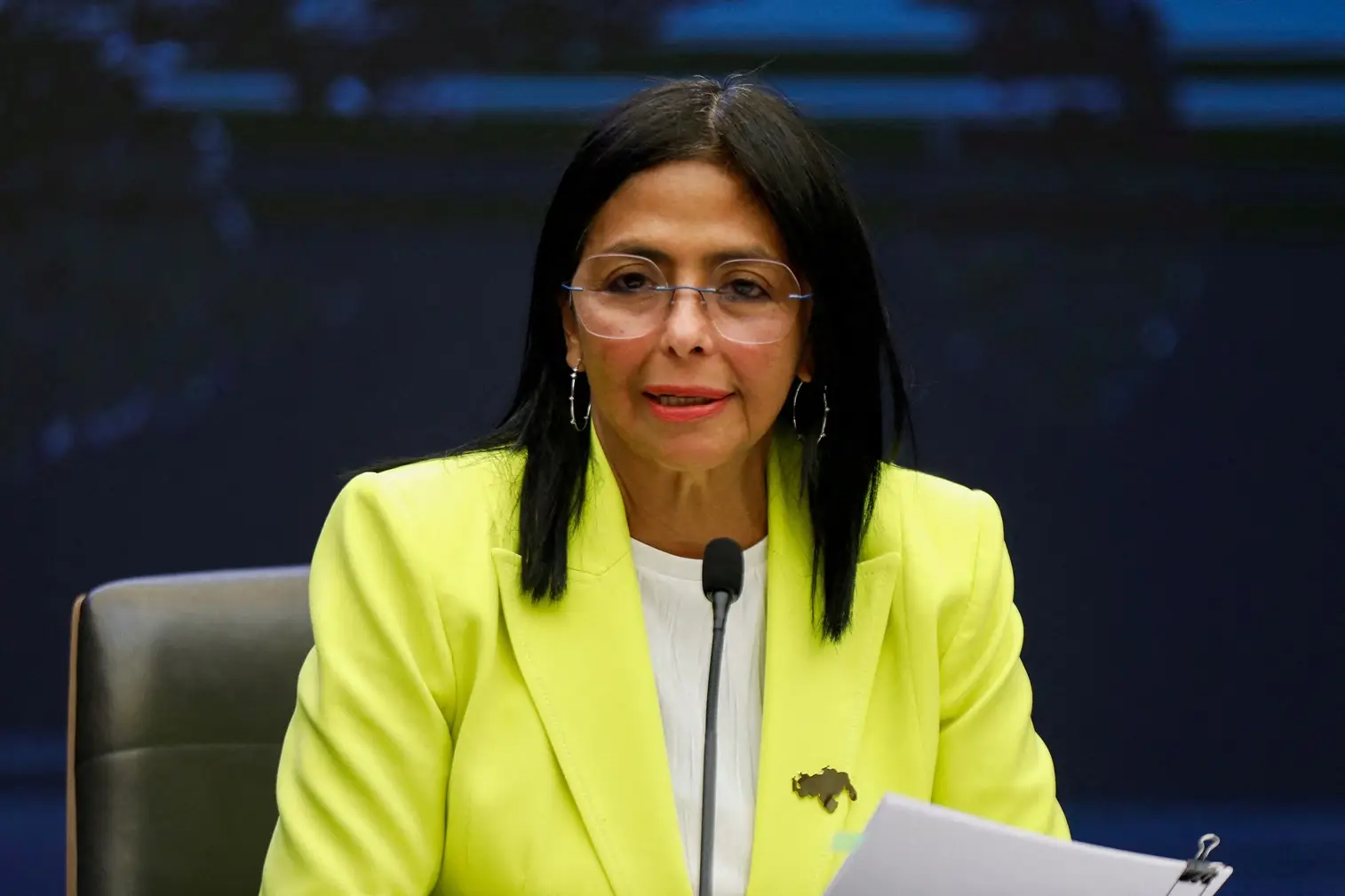
Weeks earlier, American officials had already chosen an acceptable candidate to replace Maduro, at least temporarily: Vice President Delcy Rodríguez, who impressed Trump officials with her management of Venezuela’s crucial oil industry.
Intermediaries convinced the US administration that Rodríguez would protect and defend future US energy investments in the country.
“I’ve been following her career for a long time, so I know who she is and what she stands for,” said a senior American official, referring to Rodríguez.
“I don’t claim that she is the definitive solution to the country’s problems, but she is certainly someone with whom we believe we can work in a much more professional way than with him (Maduro),” he added.
The choice was easy, according to sources. Trump has never sympathized with Venezuelan opposition leader María Corina Machado, who mounted a successful presidential campaign in 2024 and received the Nobel Peace Prize last year. Since Trump’s re-election, Machado has tried hard to please him, calling him a “champion of freedom”, repeating his speeches about electoral fraud in the US and even dedicating his Nobel Prize to him.
But it was all in vain. On Saturday, Trump said he would accept Rodríguez, saying Machado did not have the “respect” needed to govern Venezuela.
American officials say the relationship with Rodríguez’s interim government will depend on her ability to follow US-imposed rules, and reserve the right to take further military action if she does not respect American interests. Despite Rodríguez’s public condemnation of the attack, a senior U.S. official said it was too early to draw conclusions about his stance and that the administration remained optimistic about cooperation.
Trump declared on Saturday that the US intends to “administer” Venezuela for an indefinite period and take back American oil interests, an extraordinary assertion of unilateral and expansionist power, in addition to the more restricted and contested arguments about combating drug trafficking.
With Rodríguez, the Trump administration would be dealing with a leader of a government it routinely called illegitimate, while abandoning Machado, whose movement won the 2024 presidential election in a victory widely recognized as fraudulent by Maduro.
It was unclear whether Rodríguez would accept the deal. In a televised speech, she accused the US of illegal invasion and stated that Maduro remains Venezuela’s legitimate leader.
To maintain influence, US officials have said restrictions on Venezuelan oil exports will remain in place for now.
Others involved in the negotiations hope that the American administration will stop detaining Venezuelan oil tankers and release more permissions for American companies to operate in the country, in order to reactivate the economy and give Rodríguez a chance at political success.
Rodríguez, 56 years old, assumes the role of interim leader of Venezuela with the profile of an economic manager who led the transition from corrupt socialism to free market capitalism equally marked by corruption.
The daughter of a Marxist guerrilla famous for kidnapping an American businessman, she studied partly in France, specializing in labor law.
She held mid-level positions in Hugo Chávez’s government before being promoted to higher positions with the support of her older brother, Jorge Rodríguez, who became Maduro’s political strategist.
Rodríguez managed to stabilize the Venezuelan economy after years of crisis and gradually increase oil production despite American sanctions, even earning the grudging respect of some US officials.
As she consolidated control of economic policy and eliminated rivals, she built bridges with economic elites, foreign investors and diplomats, presenting herself as a low-key technocrat in contrast to the stalwart security officials of Maduro’s inner circle.
These alliances yielded powerful supporters who helped consolidate his rise. On Saturday, her inauguration was greeted with cautious optimism by some Venezuelan businesspeople, who believe she has the capacity to generate growth, as long as she can convince the US to ease the economic siege.
Despite his technocratic profile, Rodríguez never denounced the brutal repression and corruption that sustain the Maduro regime, going so far as to say that his entry into government was a “personal revenge” for the death of his father in prison in 1976, after interrogation by intelligence agents from pro-US governments.
His ability to negotiate between Venezuela’s ideological extremes could help ease tensions. Juan Francisco García, a former deputy from the ruling party who broke with the government, said he has doubts about his ability to govern, but gives him the benefit of the doubt.
“History is full of sectors and figures linked to dictators who, at some point, served as a bridge to stabilize the country and promote the transition to democracy,” said García.
