
With unanimous vote, House approves IR exemption up to R $ 5,000
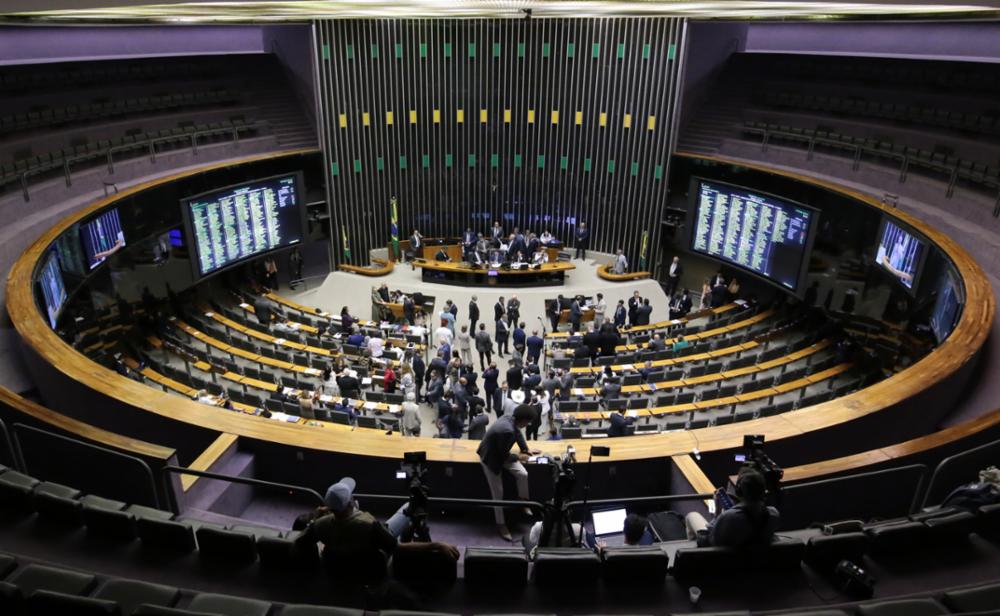
The House of Representatives approved, on the night of Wednesday (1st), the bill that expands the exemption of income tax for those who receive up to $ 5,000 per month. The measure received the approval of 493, unanimously regarding the parliamentarians present at the session.
The measure, if also approved in the Senate and sanctioned by the end of the year, will be valid in the 2026 statements and should benefit about 16 million taxpayers.
The rapporteur of the proposal, Deputy Arthur Lira (PP-AL), adjusted points of the text until moments before the vote. There were more than 90 suggestions of amendments presented in the plenary.
Free list
10 Small Caps to Invest
The list of actions of promising sectors of the Scholarship
Lira accepts inclusion of 3 amendments in the IR exemption project; See what changes
Rapporteur maintains core of the Lula government proposal, but makes adjustments in compensation, dividends and exempt investments

IR exemption: Understand tracks, minimum tax of 10% and dividend retention
Proposal to extend IR exemption to up to R $ 5,000 divides Congress in the definition of compensation, with Arthur Lira keeping a minimum tax of 10% over high incomes and dividends
Among the accepted changes are guarantees of financial compensation for municipalities that lose revenue, adjustments in notary rates of notary fees to the judiciary and the maintenance of tax benefits to Prouni (University for All Program). The report also preserved the exemption of encouraged infrastructure debentures.
Campaign promise
Exemption from exemption was presented by the government in March and became a priority of the economic agenda of the Planalto Palace.
The theme was negotiated directly by President Luiz Inacio Lula da Silva (PT) with party leaders, in meetings that also involved ministers and the presidents of the House, Hugo Motta (Republicans-PB), and Senate, David Alcolumbre (Union-AP).
This is a Lula campaign promise and one of the projects with the highest electoral impact potential for 2026, when the petista must compete for reelection.
Taxation of “super rich”
To compensate for the revenue resignation of R $ 25.8 billion by 2026, the text institutes a minimum rate on income over R $ 50 thousand per month (R $ 600 thousand per year), including dividends.
The charge will be progressive, reaching 10% for those who receive over $ 1.2 million per year. According to the rapporteur, the measure seeks to guarantee tax justice and bring the load closer to the “super rich” to that paid by the salaried middle class, which already bears up to 27.5% of IR retained at the source.
The proposal now goes to the Senate. To come into force, it must be approved by the two houses and sanctioned until December 31, 2025. If the schedule is met, the new rules will already be valid for the statements of 2026.