
Why are Magalu and Casas Bahia falling with Trump’s tariff?
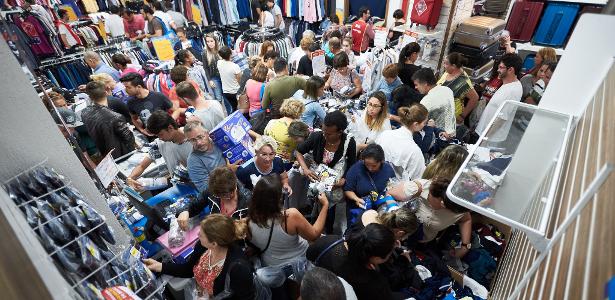
With the tendency that the cost of money for loans increases, the investor sells these shares. He believes that the end consumer will buy less of these companies, which sell a lot on credit. In addition, they have debts that are corrected by market interest rates, which decreases their cash.
The actions also fall for profits. Investors sell to pocket the discharge that happened earlier. “In the early months of 2025, the retailer has been benefiting from a gradual recovery in the Brazilian economy,” explains Rocha. Only Magazine Luiza, for example, was the second most valued action of Ibovespa, up 41.96%. “This good performance also made these roles more susceptible to correction movements in times of stress,” says Rocha.
There is also a migration to other actions or investments. “When there is so much uncertainty, it is common for investors to move, migrating to assets considered safer,” says Adriano Morais, professor of economics at Eseg College and economist head of consulting firm Vizzecon.
And the dollar?
He also hits retailers. “The real has been devaluing and this directly impacts retail companies, especially those aimed at durable goods,” says Morais. Electronics, mainly, depend on imported and dollar components. “With a stronger dollar and the weaker real, costs go up. This usually leads to a transfer to prices, ie products are more expensive. So there is an expectation of increased prices of these goods, which further pressures the sector,” explains the expert.
Higher costs. The increase in tariffs, especially on imported products, directly pressures the cost structure of these companies. “All of this presses the margins of retailers down and forces the company to pass the increase to the end consumer,” adds Elaine Domenico, partner of The Hill Capital. In the end, the tariff ends affecting sales volume.
