
Marina Silva denies isolation in the government and highlights advances in the environmental agenda
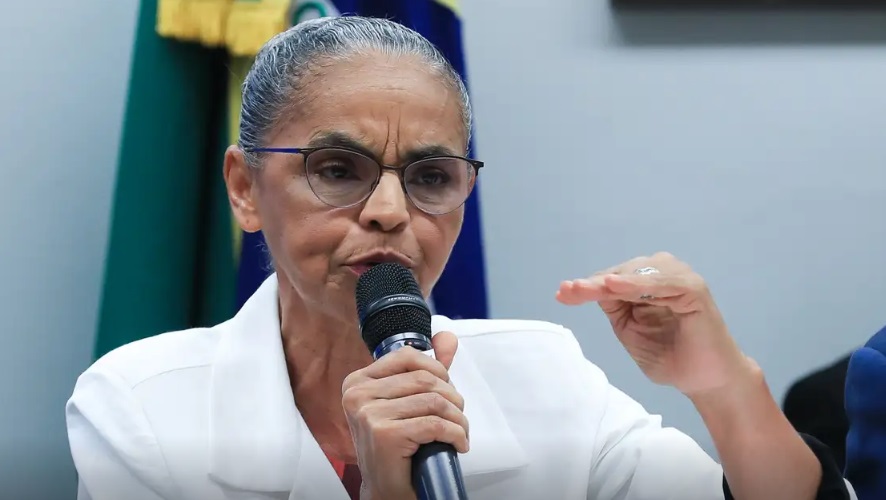
After facing attacks on the Senate and the approval of the flexibility of environmental licensing with the support of the Lula government base, the Environment Minister, Marina Silva, said that the country’s environmental agenda advances, even in the face of internal disagreements.
In an interview with S.Paulo FolhaShe highlighted the joint effort of the government, involving 19 ministries to reduce deforestation and implement environmental policies.
“Do you think we would have reduced deforestation throughout Brazil if it wasn’t for the government’s effort, with 19 ministries working together?” Sheet.
I want to make a simulation
Read more: watch: “I’m not a submissive”: Marina Silva leaves session in the Senate after chat
Marina rejected the idea of political isolation and stressed that the executive has acted to implement environmental measures, despite the natural contradictions of a large front.
“There are two government schedules that are all the time in evidence: the economic and the environmental agenda. It is an agenda that walks with the difficulties of a model in dispute,” said Marina.
She recalled that the reduction of deforestation and the definition of ambitious goals for the reduction of greenhouse gases (NDC) are the result of government commitment, even in a complex political scenario.
Read more: What led Marina Silva to leave government in 2008 and what she faces in Lula 3 management
Regarding the attacks suffered in the Senate, the minister classified them as unacceptable and stated that her departure from the infrastructure committee was a political act not to condone attempts at silence.
She also revealed that she is evaluating judicial measures against those responsible for the aggressions, with the support of the Attorney General of the Union.
Marina criticized the recent approval of the flexibility of environmental licensing, pointing out that the project removes technical decisions from the National Environment Council (Conama) and can generate an “environmental war” between states and municipalities, as well as excluding indigenous communities from the decision -making process.
It warned the risks of simplified licensing in strategic projects such as waterways and hydroelectric dams, which can cause serious environmental impacts.
Finally, the minister highlighted the importance of mobilizing society to pressure parliamentarians to reconsider positions that could make environmental protection unfeasible.