
Patient dies in the US by bacteria that caused the ‘big plague’
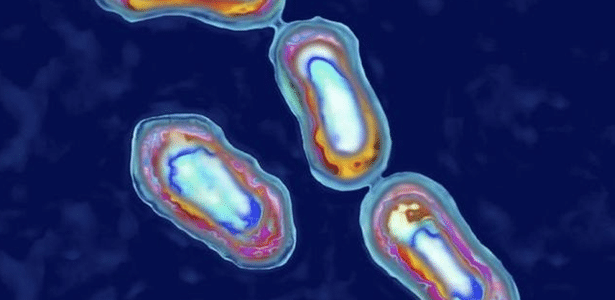
Yersinia pestis bacteria is able to convey the three most common forms of plague: pneumonic, bubonic and septicemic. The “big plague” caused by the bacteria, It was one of the most lethal pandemics in history and killed millions of people in Europe during the Middle Ages.
Since 2007, coconut count has not recorded deaths from the disease. In the latter case, the victim died after contacting a dead animal that was infected with the plague.
Despite the case, local authorities said the risk of plague exposure is small. The manifestation in humans is low, according to the US CDC (Disease Control and Prevention Centers). The agency informs on its site that the plague is rare, but usually occurs in regions of the west of the country, such as the case of Arizona, where it usually circulates between wild rodents and other animals. On average seven cases of human plague are reported annually in the US.
Infection, symptoms and treatment
Human beings can contract bacteria through the flea bite of an infected rodent or by handling an animal with the disease. Symptoms include fever, headache, muscle aches, chills and pneumonia with rapid evolution – in shortness of breath, chest pain and cough. It is possible that the infected also has an episode of swelling in the lymph nodes in regions such as groin and armpits. Signs usually appear between one to eight days after contact with the bacteria.
It is possible to treat the disease using antibiotics, but treatment must be done quickly.