
Coffee can be missed in the USA, alerts association on tariffs to Brazil
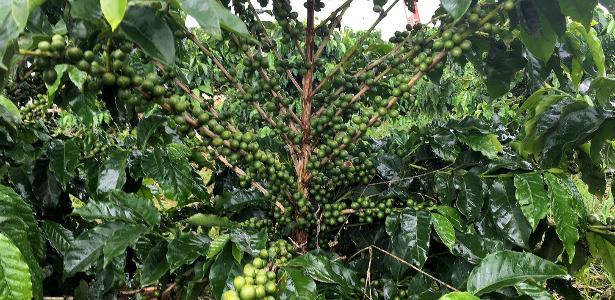
Between 30% and 40% of green coffee consumed in the US comes from Brazil, commodity’s largest producer. According to the US National Coffee Association, without this source, coffee can be missing from Americans and destroying business in the country. The entity represents all phases of coffee industry processing in the country, is the oldest and largest in the sector.
“Coffee is not an unfair or non -reciprocal trade product, but an essential (minimum national production) product that drives the US economy, supports almost 2.2 million US jobs and offers proven health benefits while driving the daily life of US consumers,” Murray said in the letter.
The document was included in the digital investigation area for alleged unfair business practices in Brazil, opened by USTR on July 17. The investigation, authorized by Section 301 of the 1974 Commerce Law, aims multiple sectors of the Brazilian economy, such as ethanol, the popular trade of 25 de Março Street, the Big Techs and the PIX payment system and illegal deforestation. And may result in new rates or sanctions to Brazil.
However, it is a procedure that is distinct from 50% rates already in force, imposed by executive order of President Donald Trump based on the country’s national economic emergency legislation. In this case, the White House determined that nearly 700 Brazilian items be excluded from surcharge, including orange juice and aircraft. Coffee, however, did not escape the taxation.
Although the list of exceptions may change, for now Brazil’s coffee has not been contemplated because the White House believes there are enough alternative sources in the international market. There are currently no ongoing commercial negotiations between the two countries, as the Trump government has conditioned the opening of dialogue to the interruption of the lawsuit against former President Jair Bolsonaro, the Republican’s political ally. The Brazilian government qualifies the condition as foreign improper interference and attack on national sovereignty.
“Any import interruption endangers processing, production and high value manufacturing from the US and can divert this value to other countries, such as China, which are eager to develop their own industries,” says Murray. The Brazilian government is already moving to sell more coffee to China. Recently, more than 180 Brazilian exporters were qualified by Beijing, information that Murray reinforces the US.
