
The hypotheses pointed out by derite for methanol contamination in beverages in the state

São Paulo Secretary of Public Security, Guilherme Derrite, said on Monday (6) that investigations into methanol intoxication in the state have not yet reached a conclusion about the origin of contamination.
Until this Sunday (5), the Ministry of Health counted 225 suspected cases of substance poisoning in the country.
Methanol was not detected in the blood of Hungary, according to Health Minister
After four days hospitalized, musician was discharged with positive clinical evolution and thanked support on social networks
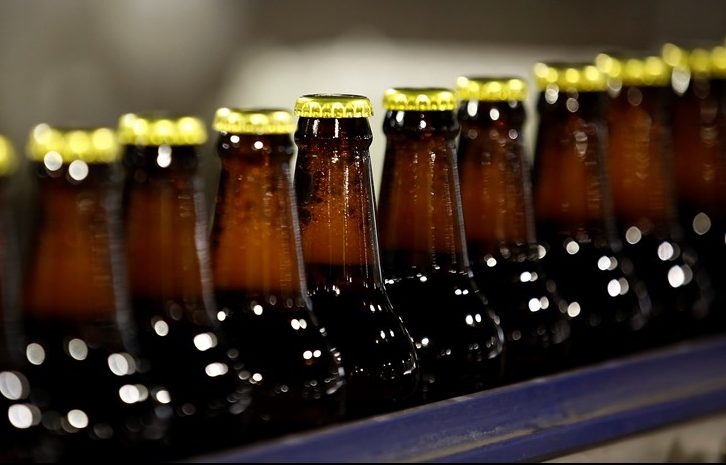
MP denounces 20 for falsifying beer and asks for examination to detect methanol presence
Group was caught exchanging labels of known brands in Greater São Paulo
According to Derrite, two hypotheses are analyzed as more likely by the São Paulo task force:
Free list
10 Small Caps to Invest
The list of actions of promising sectors of the Scholarship
1. Washing of methanol containerstoxic substance used improperly to clean up bottles in falsification of spirits;
2. Accidental or intentional methanol mix with ethanolused to increase the volume of adulterated drinks sold such as gin, vodka and whiskey.
“These two possibilities are being investigated. We still have no conclusive answers about contamination, but there are strong evidence of methanol use in bottle hygiene and ethanol mixtures in clandestine factories,” Derrite said during a press conference at the Bandeirantes Palace.
Government denies CCP involvement
Derrite also reaffirmed that there is no evidence of organized crime connection, especially from the CCP (First Capital Command), with beverage tampering schemes.
“There is no indication of organized crime participation,” said the secretary, presenting the antimethanol package of the São Paulo government.
The statement reinforces the position already defended by Governor Tarcísio de Freitas (Republicans-SP), who has denied the involvement of the faction, thesis contested by members of the federal government and the Federal Police, who maintain the hypothesis under investigation.
In late September, Tarcisio had ruled out any link between the CCP and the adulterated drinks, after federal investigations associated the faction with an irregular methanol import scheme used in fuel.
Clandestine arrests and factories
According to Derrite, closed clandestine distilleries in the cities of Americana, Sumaré, Sao Bernardo do Campo and Osasco were not operated by members of organized crime.
“None of the 41 prisoners so far in the state is spread,” said the secretary.
According to him, the identified groups may have acted in an associated way, but without hierarchical structure or division of functions that characterize the functioning of a faction.
“Organized crime in São Paulo seeks exponential profit in international cocaine trafficking. It would make no sense to migrate to a much less profitable business, such as beverage forgery,” Derrite asked.
Public health crisis
The methanol crisis gained strength in August and led the São Paulo government to set up a joint task force between the departments of public safety, health, farm and Procon-SP.
More than a thousand bottles have been seized in operations carried out since then, and at least ten establishments were banned on suspicion of tax and sanitary irregularities.
The Ministry of Health confirmed 16 cases of methanol intoxication, 14 in São Paulo and 2 in Paraná, as well as two deaths in the territory of São Paulo and 13 deaths under investigation in five states.
The São Paulo government has announced an “antibody package”, with measures that include digital tracking of invoices, preventive suspension of state records and reinforcement at chemical borders.
