
Find out how a STF minister is chosen — and who decides the vacancy opened by Barroso
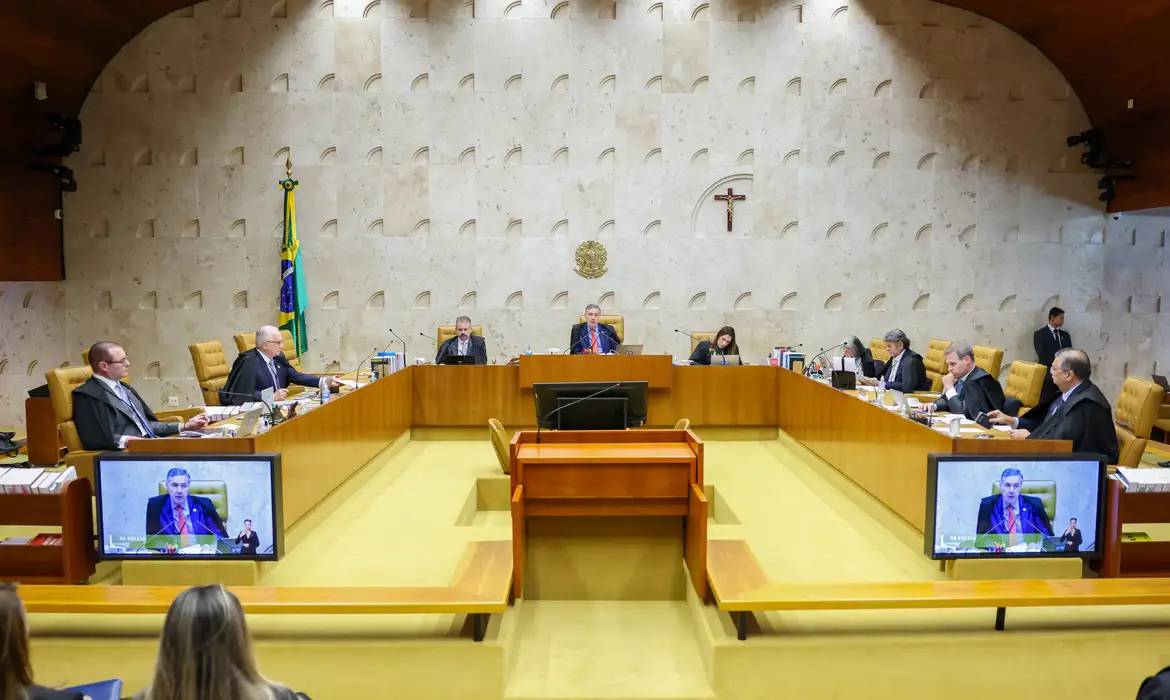
The early retirement of minister Luís Roberto Barroso, announced this Thursday, opens a new political dispute surrounding the succession at the Federal Supreme Court (STF). The vacancy, which will be the third to be filled by President Luiz Inácio Lula da Silva in his current term, should mobilize not only the Palácio do Planalto, but also the Senate — responsible for approving or rejecting the nominee.
Since redemocratization, the choice of a STF minister follows a rite that combines legal criteria and political negotiations. The Constitution establishes basic requirements, but gives a wide margin of choice to the President of the Republic, who usually considers factors such as technical profile, institutional alignment, balance between legal currents and representation. Once the nomination is made, the name goes through hearings and votes in the Senate, in a process that can be quick or drag on for weeks, depending on the political context.
Minister Luís Roberto Barroso announces retirement from the STF
A statement was made at the end of the plenary session of the Supreme Court this Thursday; Minister presided over the Court until last week and leaves office eight years before the age limit
Nomination by the President of the Republic
The starting point is the presidential nomination. The head of the Executive freely chooses the name he wishes to see on the Court, within the constitutional criteria: being a native Brazilian, between 35 and 75 years old, possessing notable legal knowledge and an unblemished reputation.
FREE LIST
10 small caps to invest in
The list of stocks from promising sectors on the Stock Exchange
Presidents usually listen to ministers, party leaders and legal advisors before hitting the gavel. In 2023, for example, Lula appointed lawyer Cristiano Zanin, who worked in his defense at Lava-Jato and became the first name approved in the current term.
Saturday at CCJ
After the nomination, the name is sent to the Federal Senate, where it begins to be processed by the Constitution and Justice Commission (CCJ), formed by 27 senators.
The hearing is one of the most anticipated moments of the process. For hours — generally eight to twelve — the nominee is questioned on legal, political and moral topics. Parliamentarians can ask about everything: from positions on sensitive issues, such as abortion, public safety and civil rights, to details about their career and personal life.
At the end of the session, committee members vote for or against the nomination. Approval requires a simple majority — half plus one of those present.
Voting in the Senate plenary
With a favorable opinion from the CCJ, the nomination goes to the Senate plenary. All 81 senators participate in the vote, which takes place secretly.
For the name to be confirmed, the support of at least 41 votes in favor is necessary — the so-called absolute majority. The rejection of a nomination is extremely rare: the last recorded case occurred in the 19th century, during the government of Floriano Peixoto, during the First Republic.
- Appointment and tenure
Approved by the Senate, the name returns to the Planalto Palace, where the President of the Republic signs the appointment decree, published in the Official Gazette of the Union.
Then, the inauguration ceremony takes place in the plenary of the Supreme Court, with the presence of authorities from the Three Powers. The new minister signs the term of commitment and immediately assumes the vacant chair, inheriting his predecessor’s collection of cases — which can number thousands.
Term and retirement
STF ministers have a lifetime mandate, but compulsorily retire at age 75, as determined by the Constitution.