
Does Russia offer nuclear support to Brazil? Understand new agreement
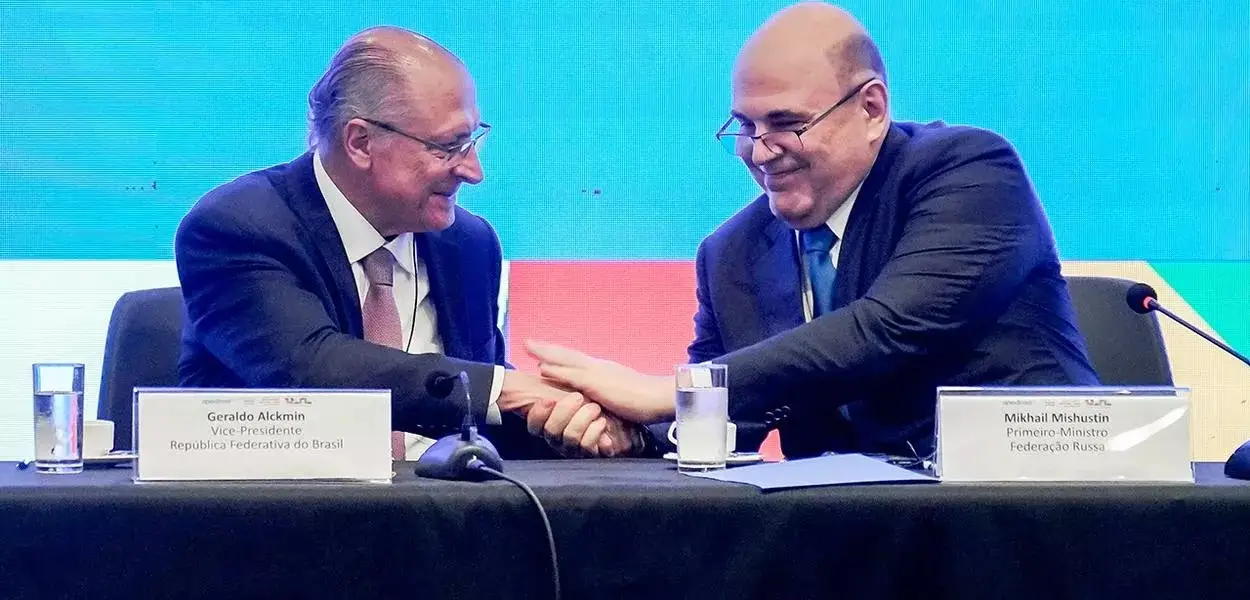
The signing of a joint document between Brazil and Russia this Thursday (5) raised questions about possible Russian nuclear support for the country. The text, signed by Vice President Geraldo Alckmin and Prime Minister Mikhail Mishustin, however, does not deal with military cooperation or the transfer of weapons technology. The declared focus is the peaceful use of nuclear energy and the expansion of civil projects.
The agreement was signed during the Brazil–Russia Business Forum, held at Itamaraty, and is part of the joint declaration of the eighth meeting of the High-Level Russian-Brazilian Cooperation Commission.
According to the document, the two countries expressed interest in advancing initiatives linked to nuclear energy generation, the nuclear fuel cycle and updating the bilateral legal framework that governs this type of partnership.
Opportunity with security!

Congress stretches salary cap and forces Lula to choose between market and political base
Project that circumvents salary cap exposes limits of fiscal responsibility discourse in election year
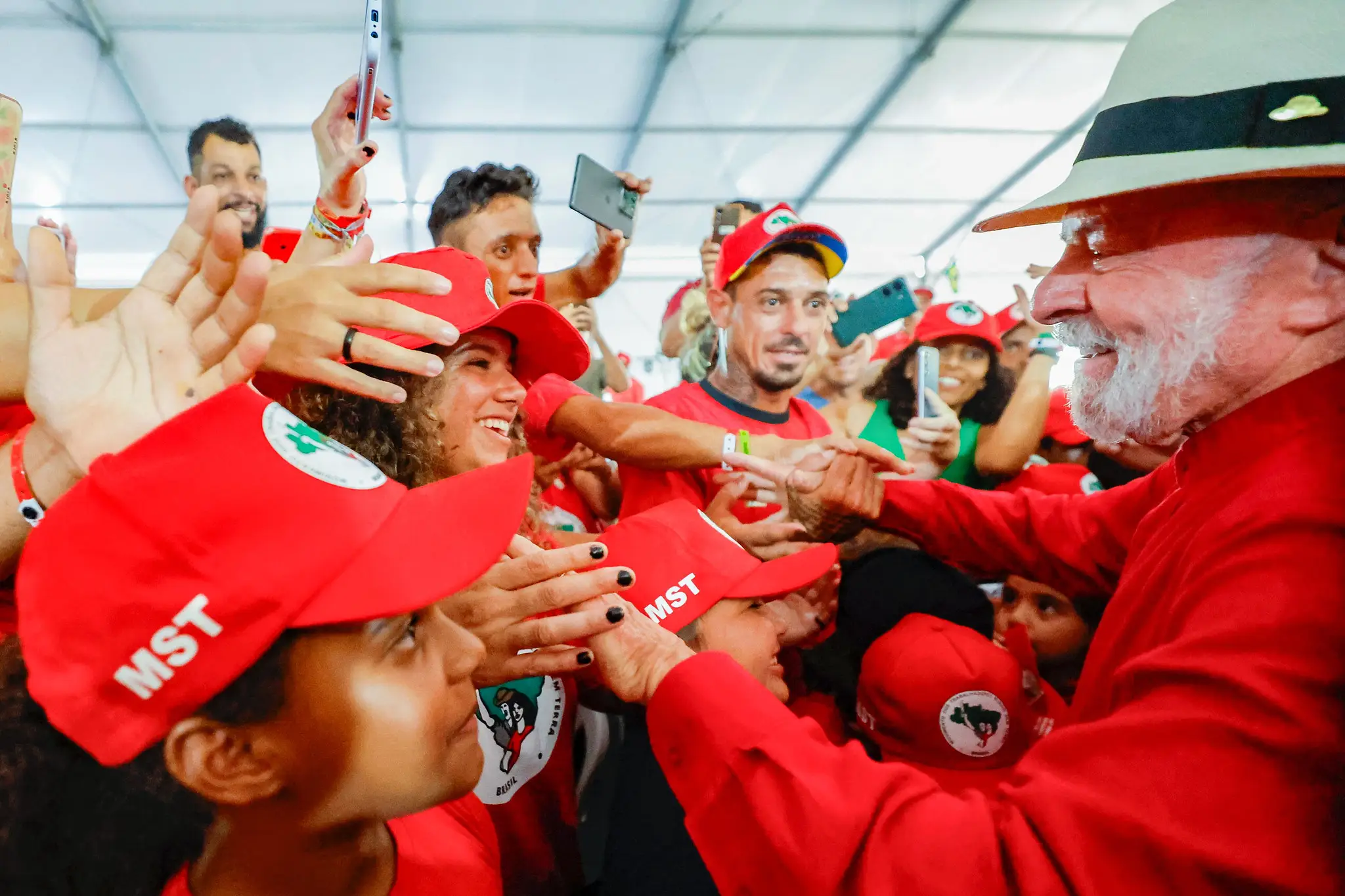
Lula: It is the first time that workers are receiving their paychecks without income tax
The president’s speech was during a meeting to announce news of the judicial agreement for the land regularization of Gleba da Quinta do Lebrão, in Teresópolis (RJ)
One of the main practical points mentioned is the expansion of cooperation in medicinal radioisotopes, used in diagnoses and treatments in the health sector. The assessment is that joint projects can help Brazil reduce external dependencies and expand the supply of these strategic inputs to the health system.
In a note from Palácio do Planalto, President Luiz Inácio Lula da Silva (PT) defended the need to accelerate the implementation of bilateral agreements and create monitoring mechanisms to generate more concrete economic results.
In addition to the energy issue, the joint declaration addresses issues of international security and cooperation in multilateral forums.
Brazil and Russia claim to consider preventing an arms race in space as a priority and criticize the use of unilateral coercive measures against developing countries, classified as incompatible with international law.
Despite the sensitive geopolitical context — the document was signed on the same day that the New START treaty, which limited US and Russian nuclear weapons, expired — there is no mention in the agreement of military support, nuclear weapons or sharing of strategic capabilities.