
Changes in electoral rules empty the candidacies of women and black people
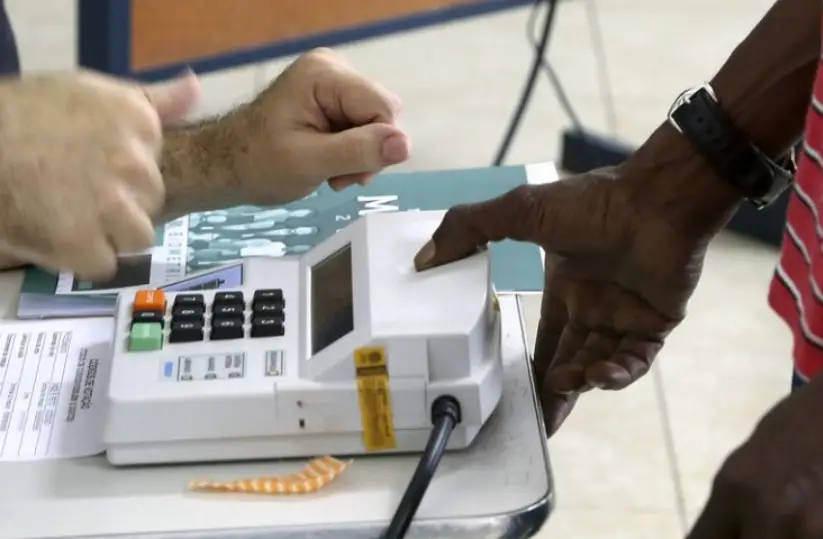
Changes under discussion in the Superior Electoral Court (TSE) on the eve of the 2026 elections could, in practice, empty the mechanisms that currently force parties to invest public resources in candidacies by women and people of color. The proposals affect central rules for the use of the Special Campaign Financing Fund (FEFC) and tend to reduce the cost for parties that register candidacies just to meet the legal quota, but do not allocate sufficient resources to make them competitive.
Last Tuesday, the TSE began a series of public hearings to debate the draft resolutions that will guide this year’s elections — these documents address a series of issues, including accountability, electoral propaganda and the campaign fund. The material is now available for public consultation and open to suggestions. According to interlocutors, the Court has already received around 1,500 suggestions for changes to these standards.
Electoral Prosecutor’s Office calls for tougher rules for the use of AI in the 2026 elections
Electoral Public Ministry argues that technology should only be used for technical adjustments
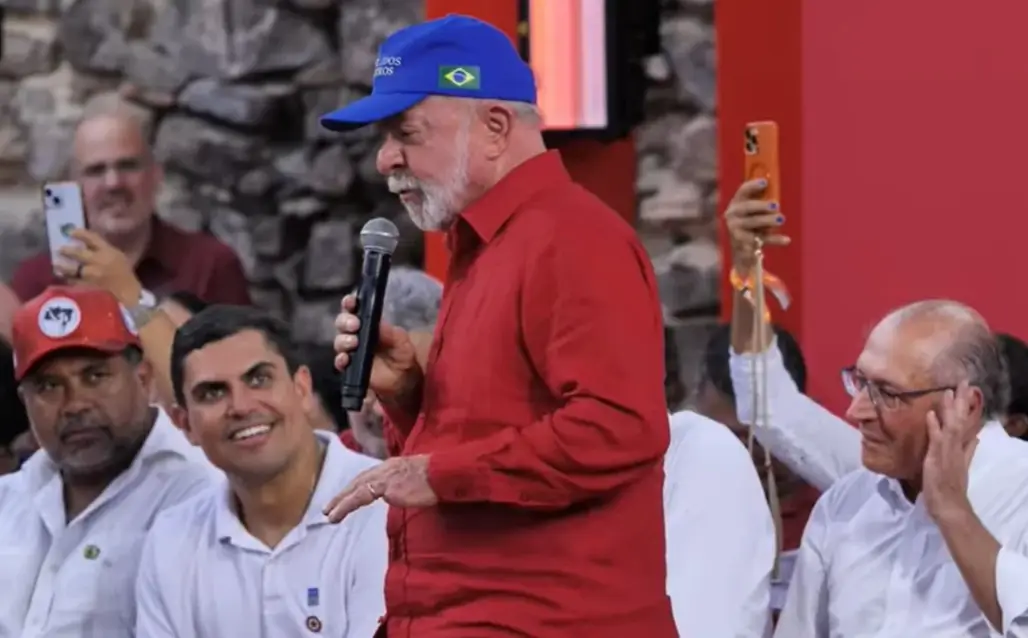
Lula says 2026 will be “political war” and abandons “peace and love” speech
In PT’s anniversary event, president talks about electoral narrative, sovereignty and confrontation against disinformation
The drafting of the minutes is coordinated by minister Kassio Nunes Marques, who will preside over the court in this year’s elections. Today, TSE rules determine that parties distribute electoral funds according to the proportion of female candidates. The changes under debate, however, aim to make these obligations more flexible.
Opportunity with security!

One of the drafts under discussion gives room for candidacies from black people to follow the obligation to receive a minimum of 30% of the resources, not counting the issue of proportionality, something provided for women in the Constitution. In other words, with the new proposed wording, black candidacies will receive a minimum of 30% of the resources, regardless of the proportion of these candidacies of the total on the party ticket.
— Without observing proportionality, this 30% floor could become a ceiling. Thus, this legislation allows this imbalance to be maintained, as the party will not be harmed if it gives less money than the proportion of black people in the party, as long as the party meets this minimum. It is permissive legislation to maintain this state of electoral political inequality that traditionally accompanies women, indigenous people and black people — says lawyer Felippe Angeli, advocacy coordinator at Justa.
Another point foreseen in the TSE draft is the possibility of accounting for expenses with legal and accounting services as part of this minimum percentage of 30% allocated to women, black people and indigenous people. For Transparência Brasil, this change allows formal fulfillment of quotas without strengthening campaigns.
— As the draft stands, there is a risk of emptying the quotas, meeting the interests of parties that have been trying to change electoral legislation in this sense since last year, but were unable to do so, at least for this election. If approved as is, the resolution could empty the quotas provided for by law, making them ineffective — says Juliana Sakai, executive director of Transparência Brasil.
Risk of setback
In public hearings, representatives of entities pointed to the risk of setbacks. Political coordinator of the Black Women Decide Movement, Thayná Pereira stated that, despite the increase in the number of black candidates in the last elections, the distribution of resources remains unequal.
— We cannot allow party autonomy to be a safe conduct for the confiscation of public resources destined for historically excluded groups — said Thayná.
Those around Nunes Marques, however, minimize the criticism and state that these minutes are just the starting point for discussions.
The TSE stated in a note that the draft resolutions are debated in hearings and “reinforce society’s participation in improving the rules for the election”. The standards must be approved by the board by March 5th and, according to the note, “it is necessary to wait for the approval of the final text by the plenary”. Minister Cármen Lúcia, current president of the TSE, was contacted to talk about the topic, but did not return.