
Lula reduces women in ministries as he tries to attract female voters
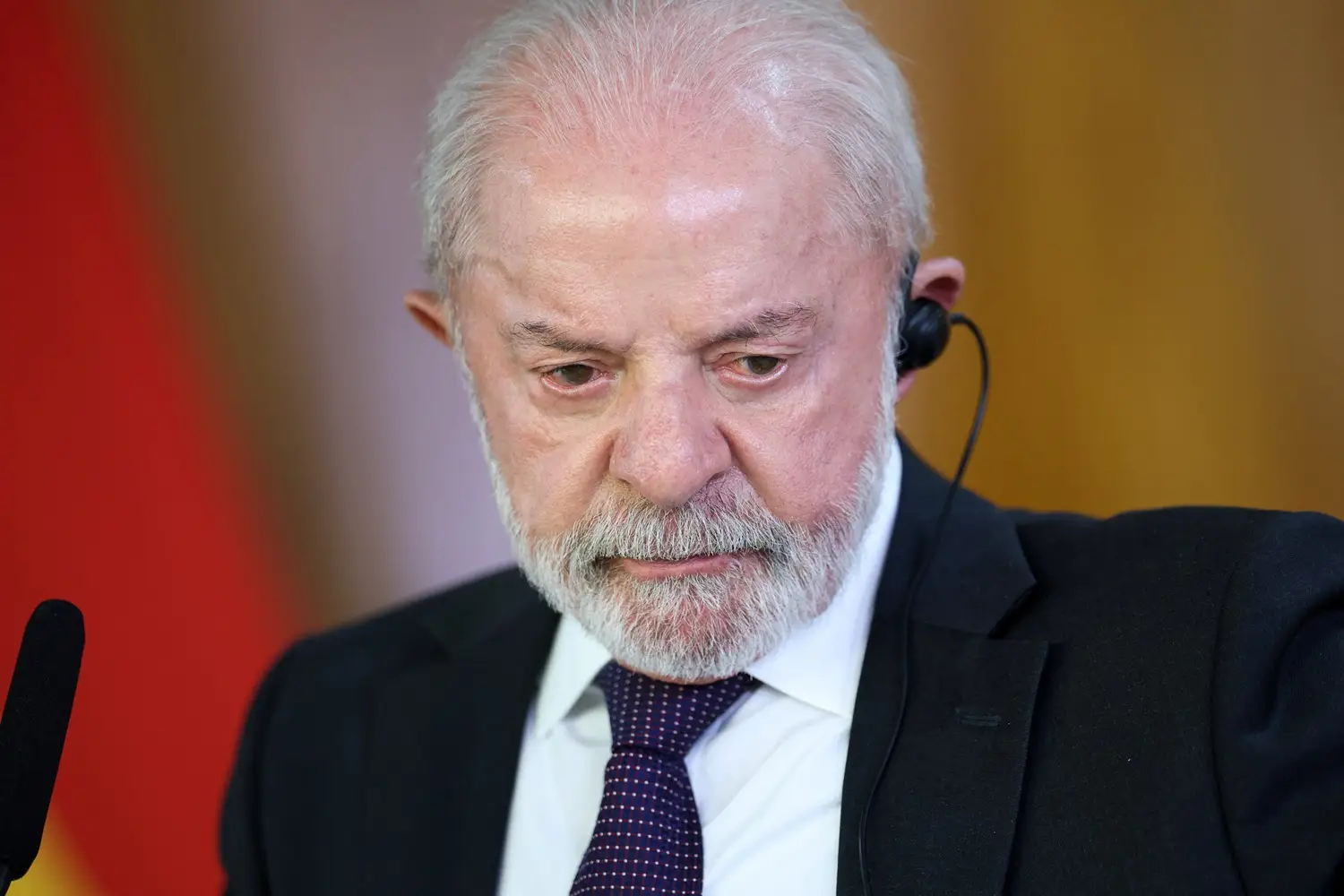
President Luiz Inácio Lula da Silva’s government ministry became even more masculine after this week’s exchanges, with the departure of his assistants to contest this year’s elections. Before the change, there were 28 men and ten women on the PT Esplanada. Now, they occupy eight portfolios while they hold 30. The change comes amid an attempt by the PT member to attract female voters.
When Lula climbed the ramp for his third term, his government had 11 women and 26 men heading 37 ministries. The PT member began his first two terms with 4 women in the first tier.
This Friday, with the end of the non-compatibilization period, changes were made official in 16 ministries. There is still no clarity on who will replace Gleisi Hoffmann as head of the Secretariat for Institutional Relations (SRI) — the deputy will run for a seat in the Senate from Paraná. Despite this, the main candidates for the position are men: deputy José Guimarães (PT-CE), senator Otto Alencar (PSD-BA) and the minister of Social Development, Wellington Dias.
Throughout this third term, Lula was asked by his base to give more space to women, since, despite representing advances compared to his first two governments, the composition of the cabinet is still far from gender parity.
This week, in addition to Gleisi, the following left the government:
- ministers Simone Tebet (Planning and Budget), who will run for the Senate in São Paulo;
- Marina Silva (Environment), who is expected to run for a place on Fernando Haddad’s ticket for the São Paulo government;
- Macaé Evaristo (Human Rights), who will be a candidate for state deputy in Minas Gerais;
- Anielle Franco (Racial Equality) who will seek to be elected federal deputy for Rio; and
- Sônia Guajajara (Indigenous Peoples), who will run for the Chamber of Deputies in São Paulo.
Among the replacements already announced for these five ministers, three are men:
- Bruno Moretti, in Planning;
- João Paulo Capobianco, new Minister of the Environment; and
- Eloy Terena, who will be minister of Indigenous Peoples.
At the Ministry of Human Rights, Janine Mello dos Santos, current executive secretary of the department, took over; and in Racial Equality, Rachel Barros de Oliveira enters, who was also Anielle’s number 2.
On the other hand, two ministers will replace male incumbents: Miriam Belchior (Civil House) and Fernanda Machiaveli (Agrarian Development), who replace Rui Costa and Paulo Teixeira, respectively.
In addition to them, ministers Esther Dweck (Management and Innovation), Luciana Santos (Science and Technology), Márcia Lopes (Women) and Margareth Menezes (Culture) will follow on the Esplanade.
The participation of women in government with these exchanges is higher than that of the Ministry of its predecessor, Jair Bolsonaro (PL), in the same period. Bolsonaro’s assembly in an election year and after the non-compliance deadline was 22 men and only one woman — previously, there were three ministers, who left their positions to contest elections: Damares Alves, Flávia Arruda and Tereza Cristina.
Coordinator of the women’s bench in the Chamber, PT deputy Jack Rocha (ES) says that it is important to recognize the advancement and protagonism of the ministers who were part of the government. She states that they are leaders extremely committed to the women’s agenda in the country and that “they did not occupy these spaces just because of their political composition, but because of their presence, influence, agenda and trajectory”.
— At the same time, it is a fact that we are still falling short of what Brazilian democracy demands. Women are the majority in society and cannot continue to be a minority in decision-making spaces. The reduction in the number of ministers raises a warning: the presence of women in government cannot be episodic, it needs to be structuring.
Jack Rocha also states that the departure of female ministers “generates a relevant gap”, but says that the search for parity in these spaces is a challenge for society as a whole and is not restricted only to the Executive, but also in Parliament and the Judiciary.
Elections
With an eye on the elections, Palácio do Planalto believes that it is possible to make progress among women — the female electorate represents 52.5% of the total, according to the Superior Electoral Court (TSE). According to a Genial/Quaest survey released on the 17th, the average voter most likely to change their vote is women (49%).
Since the end of last year, the president has incorporated the fight against feminicide into his speech and determined that the fight against violence against women is one of the administration’s priorities this year, in a preview of the use of the issue as an electoral banner in the re-election campaign. The challenge, however, is the high rates of femicides recorded in the country.
Senator Flávio Bolsonaro (PL), Lula’s opponent in the dispute, has also invested in female voters. In recent public speeches, he pointed to the segment. In an event on Avenida Paulista, in São Paulo, for example, the pre-candidate stated that women would be “real, embraced and protected, without hypocrisy” in his eventual government.
Flávio’s entourage also considers that former first lady Michelle Bolsonaro will be a relevant political asset to expand dialogue with women and reduce rejection of the senator’s name.