
Seven out of ten Brazilians say that the cost of living has increased, says Meio/Ideia
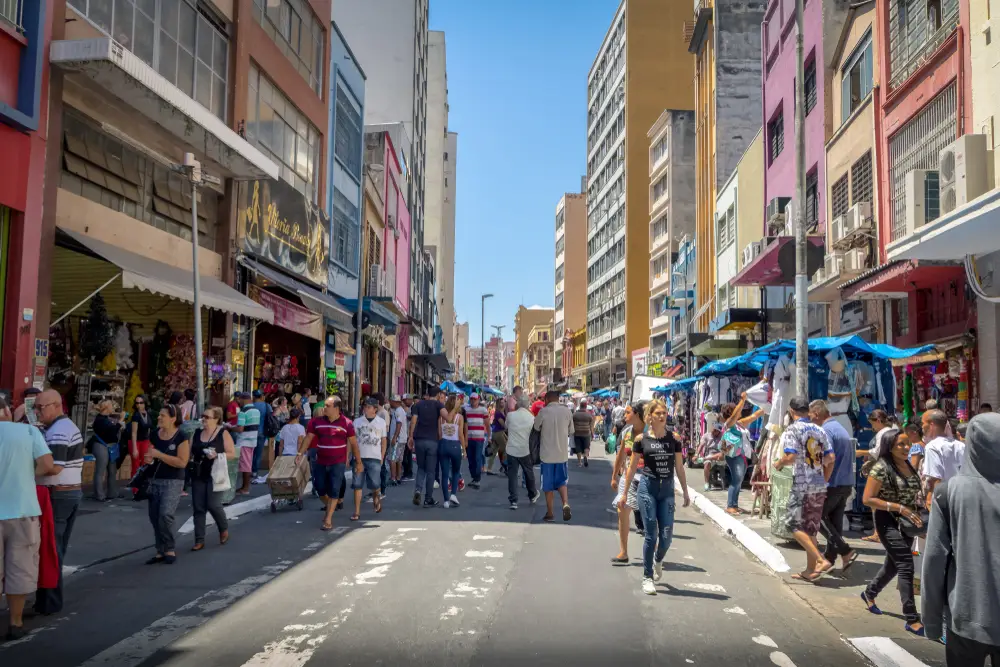
Seven in ten Brazilians felt an increase in the cost of living and level of debt. According to the most recent Meio/Ideia survey, published this Wednesday (8), 30% of those interviewed say that the cost of living in Brazil has increased a lot, while 40% say they have felt the increase “but not much”.
When asked about the cost of living compared to a year ago, 21% said it was practically the same and only 5.2% said it had decreased. When addressing family debt, 40% agree that it is higher, while 42% say they have maintained the same level.
Means/Idea: Lula has 40.4% and Flávio Bolsonaro, 37%, in 1st round scenario
Survey shows a technical tie between candidates in the second round
Fed minutes, ceasefire in Iran and speeches by Lula and the BC move this Wednesday
InfoMoney brings together the main information that should move the markets this Wednesday (08)
The survey also asked voters how much the cost of living and debt will be decisive for their vote in the 2026 election. In response, 38% stated that it will be very important, while 36.6% agree with the importance, but “less than other issues”.

On the Planalto radar
Family debt has been a target of concern for President Luiz Inácio Lula da Silva (PT). Planalto’s assessment is that the impact of the war in Iran on Brazilians’ pockets has undermined the government’s credibility, and that quick measures are needed to undermine the rise in prices and the consequent debt.
On Tuesday (7), the Minister of Finance, Dario Durigan, said that the government is considering allowing Brazilians to withdraw part of the FGTS to pay off debts. The possibility is being evaluated within the scope of the credit package, articulated as part of the plan to reduce family debt and encourage debt renegotiation.
Durigan avoided anticipating in detail the measures that were discussed with the president, but reported that the government is also studying ways to limit future debt, including actions to contain spending on betting on bets.
On March 26, Lula stated that the increase in family debt is “a problem” that ends up overshadowing the growth of the country’s economy and, therefore, he asked Durigan for a solution. The president also requested studies from the Central Bank and the Ministry of Finance to reduce credit card interest rates.
One of the proposals evaluated by the government is to combine all debts into one, which would be “replaced” by a new one, with lower interest rates and discounts. If it comes to fruition, the idea foresees that the entire renegotiation process will be carried out directly with the banks, which would have the Operations Guarantee Fund as a guarantee.
The Meio/Ideia survey carried out 1,500 interviews between April 3 and 7. The margin of error is 2.5 percentage points, plus or minus. The survey is registered with the Superior Electoral Court under number BR-00605/2-26.