
What the 36 hours of chaos were like at the White House in the run-up to a ceasefire in Iran
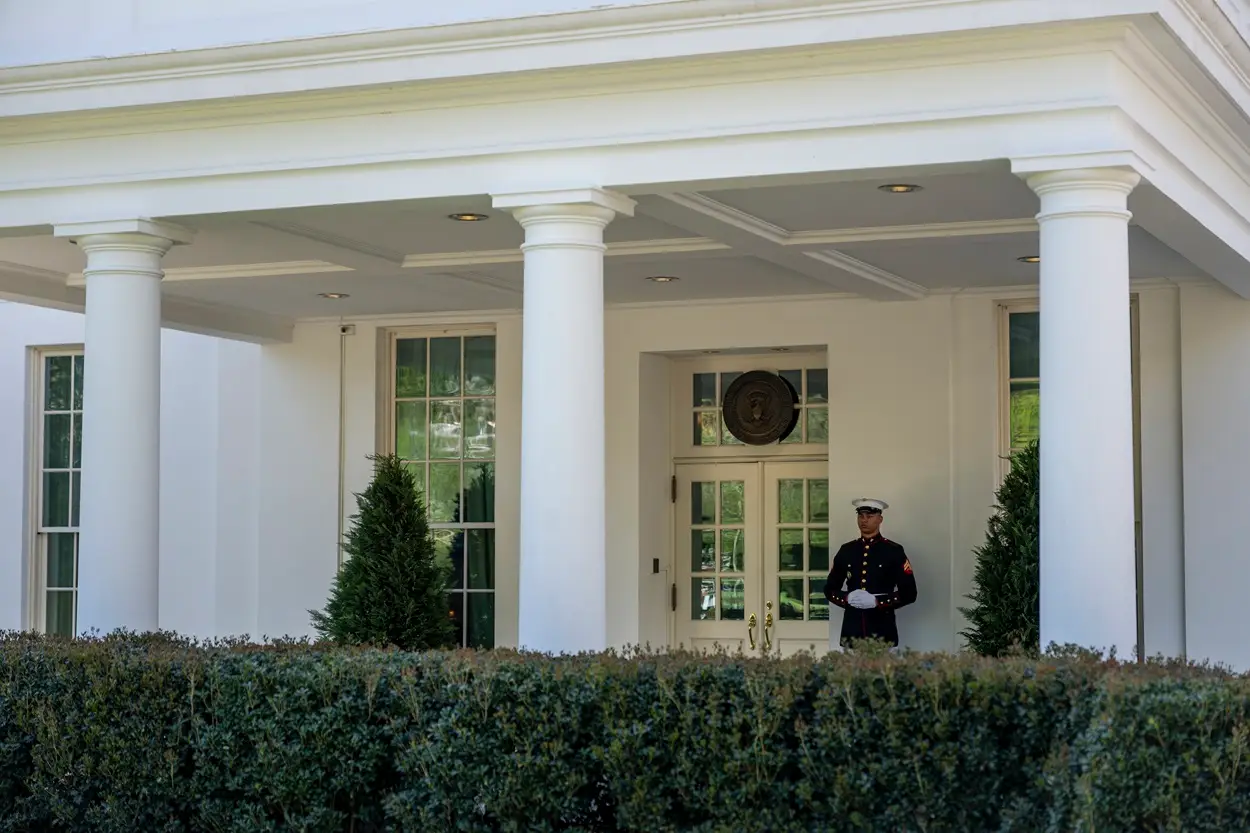
WASHINGTON — President Donald Trump sat behind the Resolute Desk late Tuesday afternoon, pondering what might happen in the hours ahead.
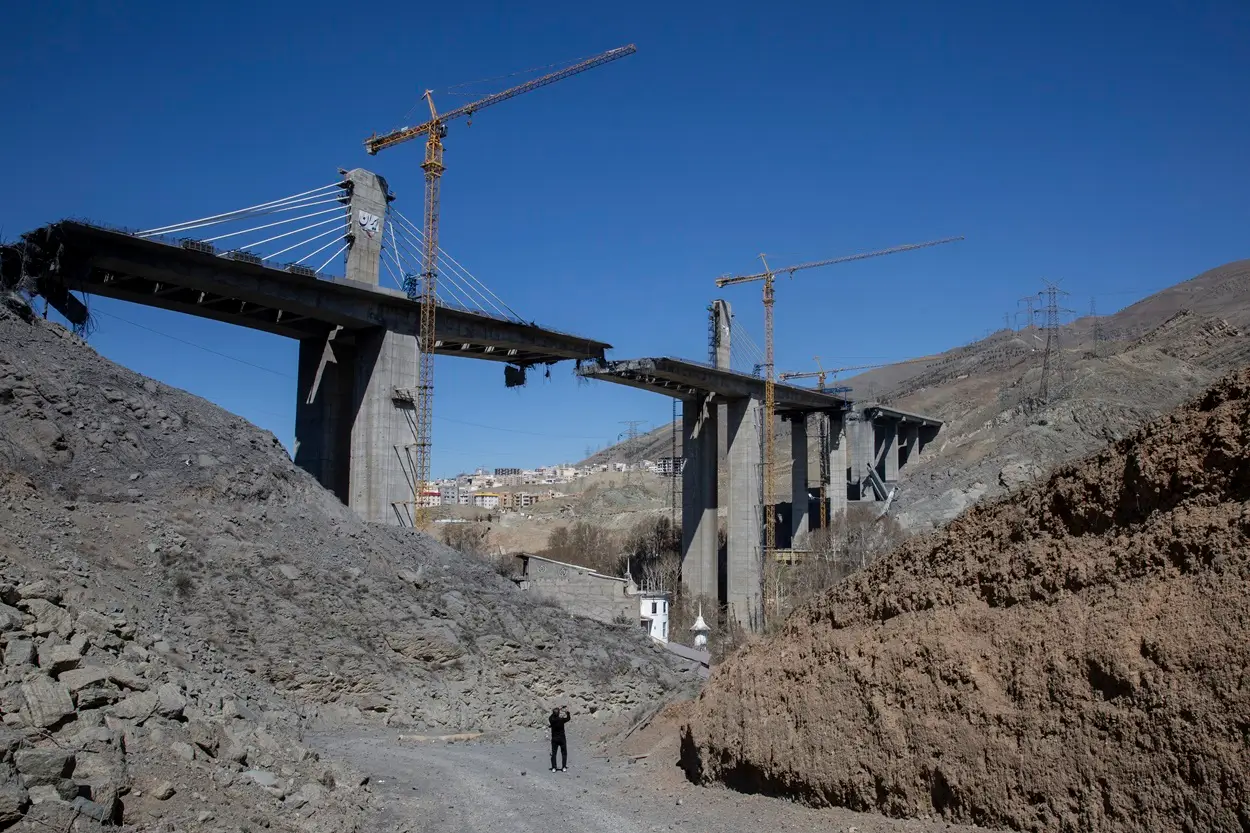
He had promised to wipe “an entire civilization” off the map if his 8pm deadline for Iran to reopen the Strait of Hormuz expired. As a series of meetings with no direct relation to the topic took place, Trump interrupted to list the number of bridges and power plants he was willing to attack in Iran.
Is it open? Is there a toll? Understand the situation in the Strait of Hormuz during the ceasefire
Vessels are wary of passing through the Iranian coast in the strait, given the fragile agreement, and the number of ships crossing it has even fallen.
What you need to know about Israel’s attacks on Lebanon
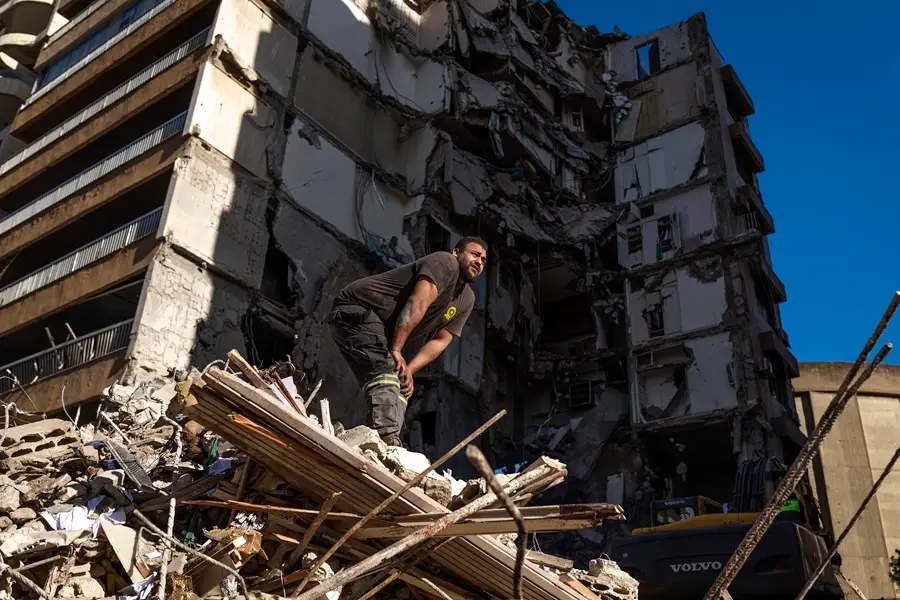
Israel says truce with Iran does not include Lebanon. But Tehran says it includes and has threatened retaliation if the bombings do not stop.
He was told that Iranians were gathering on these bridges and in front of these plants. He watched television images of people crowding around the structures and told aides that if American forces attacked and killed them, the Iranian government would be to blame. He called Iranian leaders “evil” for putting innocent people at risk.

Then, in mid-afternoon in Washington, an encouraging message about a deal in the making was reviewed by the White House and posted on social media by Pakistan’s prime minister. Shortly thereafter, an agreement hastily cobbled together by a series of mediating governments, including Pakistan and China, reached a president seeking a way out of a deeply unpopular war.
The celebration came quickly: Defense Secretary Pete Hegseth and Gen. Dan Caine, chairman of the Joint Chiefs of Staff, declared Wednesday morning that all military objectives had been achieved in what Hegseth called a “historic, overwhelming victory on the battlefield.”
But less than a day after Trump announced a ceasefire on social media, the fragile agreement was already showing signs of fraying, in large part because the two countries could not publicly agree on a common set of goals to end the war.
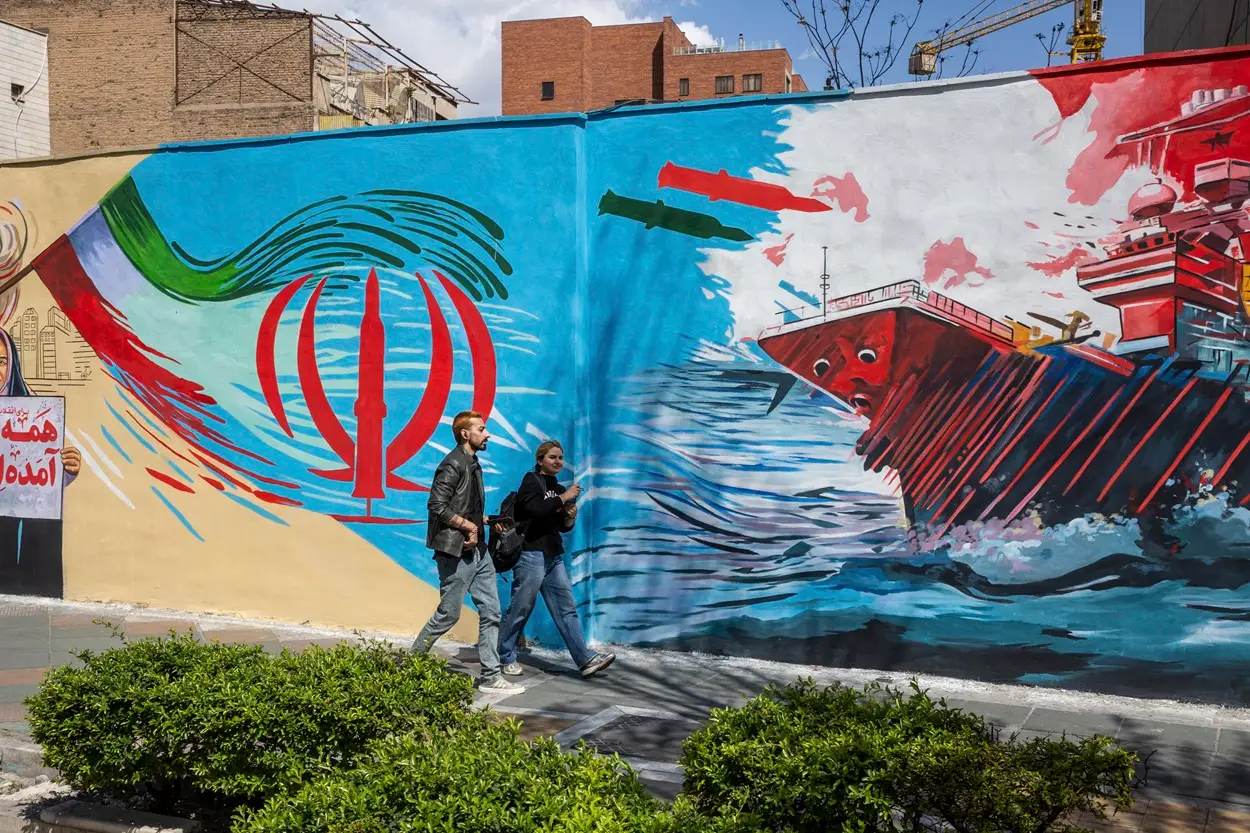
After 36 tumultuous hours, marked by sudden changes in diplomatic direction, Trump finds himself, in a sense, close to where he started. Their efforts to circumvent reality on the ground and move towards a peace process were hampered by an adversary that continues to exert pressure.
The status of the Strait of Hormuz remains unclear, although it was the basis of Trump’s apocalyptic ultimatum. And the fate of Iran’s enriched uranium, which Trump had optimistically suggested could be recovered by Americans with Iranian help, remains unresolved.
This account is based on interviews with nearly a dozen people in the United States, Israel and Iran, most of them on condition of anonymity to discuss a rapidly evolving conflict.
A threat causes widespread panic
On Monday, the day before Trump sent the message threatening to “annihilate Iranian civilization,” talks had been progressing in private, and Iran’s supreme leader appeared to signal approval to move forward with negotiations, according to multiple Iranian and Israeli officials. Pakistan continued trying to mediate talks between Iran and the United States in search of a ceasefire that would open space for more extensive peace negotiations.
But by Tuesday morning, Americans were growing impatient. Trump issued his public threat to annihilate Iran — a message that, according to three Iranian officials familiar with the negotiations, Iran had also received privately through Pakistan.
Iranian leaders, already furious with Trump’s deadline to blow up power plants and a wave of attacks on critical infrastructure such as railways, bridges and industrial plants, decided to abandon the process. They told Pakistan that Tehran would stop messaging with Washington and that plans for ceasefire talks would be put on hold, the three officials said.
Iranian officials — from the president and vice president to Revolutionary Guard commanders — began posting defiant messages on social media. The military believed Iran had an advantage because of its cross-strait influence and should double down, the officials said.
“Iran has clearly won the war and will only accept an outcome that consolidates its gains and creates a new security order in the region,” wrote Mahdi Mohammadi, an advisor to Mohammad Bagher Ghalibaf, a brigadier general who is speaker of the Iranian Parliament, in a social media post.
In Iran, panic set in among civilians as Trump’s deadline to attack power plants approached. Iranian media began publishing guidance on how to survive if power, gas and water were cut off. Residents of Tehran rushed to supermarkets to stock up on dry food and bottled water, emptying the shelves of many establishments at the end of the day.
“We bought a cooler and blocks of ice, in case the power went out and the refrigerator stopped working,” said Nazy, a Tehran resident who asked that her last name not be published for fear of reprisals, in an interview. “I also bought a lot of dry food, candles and batteries for my mother, who is bedridden and has no way to evacuate.”
Tens of thousands of people fled towards the shores of the Caspian Sea, causing such a traffic jam that police closed the mountain road to all traffic, except for those leaving Tehran for the north coast.
Frantic negotiations
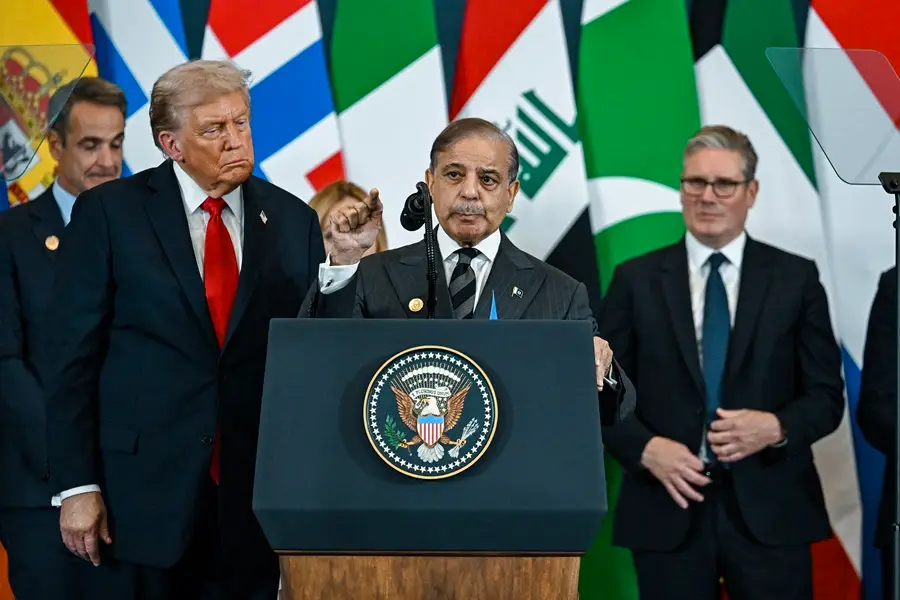
With the Iranians threatening to walk away from the talks, frantic diplomatic efforts quickly unfolded, from the Middle East to China. Officials worked by phone to salvage a ceasefire plan and pull Iran and the United States back from the brink of an even greater catastrophe, according to the three Iranian officials and a Pakistani official familiar with the negotiations.
Pakistan’s Prime Minister and Foreign Minister contacted Iranian President Masoud Pezeshkian and Foreign Minister Abbas Araghchi. Türkiye, Egypt and Qatar have also reached out to Iran, the officials said. But in the end, it was China — which maintains close economic ties with Iran — that broke the impasse, according to Iranian officials and the Pakistani official.
China maintains close trade relations with Iran — it is the largest buyer of Iranian oil — and also cooperates with the Iranian Armed Forces. According to the Iranians, Chinese officials told their interlocutors in Tehran to accept the ceasefire at that time because it might be their only opportunity. China also called on Iran to demonstrate more flexibility and open the Strait of Hormuz to maritime navigation for two weeks, taking into account the economic impact of the war on its allies, including China itself.
Shortly after 5 p.m., Pakistan Army commander Field Marshal Syed Asim Munir called Trump to discuss the contours of the ceasefire agreement. Munir informed the president that the Iranians had agreed to the Pakistani proposal.
If the Iranians accepted, Trump told Munir, the Americans would accept it too.
The president then called Prime Minister Benjamin Netanyahu of Israel to inform him that the United States would enter into a two-week ceasefire.
A fragile agreement begins to fray
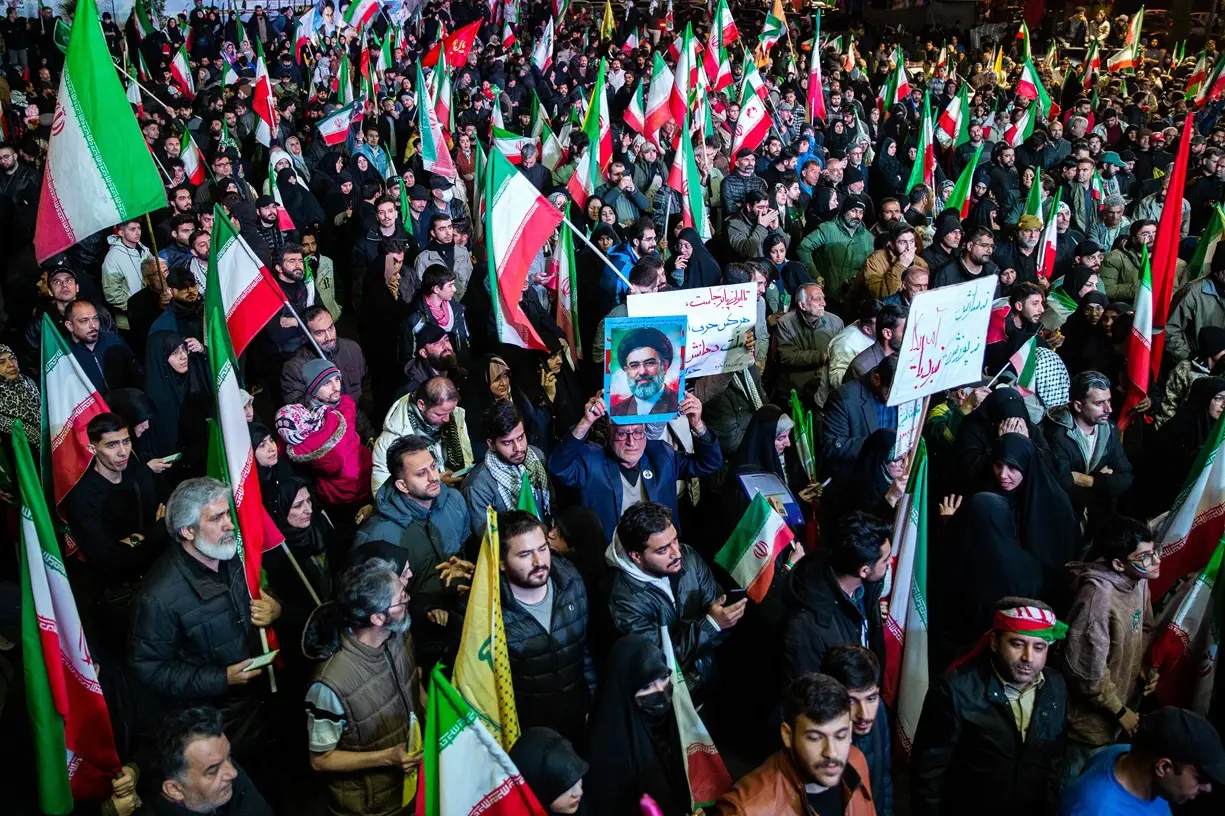
At 6:32 p.m., Trump announced on his network, Truth Social, that he had agreed to suspend the bombing campaign in Iran for two weeks to work on a peace agreement. But not even some of his advisors believed the pause would be sustained.
Disagreements over the scope of the agreement emerged almost immediately.
At 7:50 p.m., Prime Minister Shehbaz Sharif of Pakistan announced the ceasefire and said it applied “everywhere, including Lebanon.”
But on Wednesday morning, the president told a PBS reporter that he viewed the conflict between Israel and Iran-backed Hezbollah as a “separate confrontation.” On Wednesday, Israel launched its most intense bombardment of Lebanon in more than a month of war with Hezbollah.
Trump and his aides, meanwhile, said they would not publicly release the terms they claimed to be negotiating for a lasting end to the war, but they pooh-poohed a parallel 10-point proposal the Iranians made public on Wednesday.
“She was literally thrown in the trash by President Trump and his negotiating team,” White House spokeswoman Karoline Leavitt told reporters.
Still, she announced that Vice President JD Vance, alongside Steve Witkoff, the president’s special envoy, and Jared Kushner, Trump’s son-in-law, would travel to Pakistan to hold talks with the Iranians. It would be the highest-level meeting between US and Iranian officials since 1979.
But shortly after Leavitt’s announcement, senior Iranian officials accused the United States of violating the agreement.
Ghalibaf, the speaker of Parliament, who is expected to attend the meeting in Pakistan, wrote in a statement that the truce and negotiations with the United States were “irrational” as Israel was attacking Lebanon, a hostile drone had entered Iranian airspace and the US continued to oppose Iran’s nuclear enrichment.