El Salvador confirms that it sent more than 2,000 soldiers to Haiti to rescue the four soldiers disappeared by criminal gangs
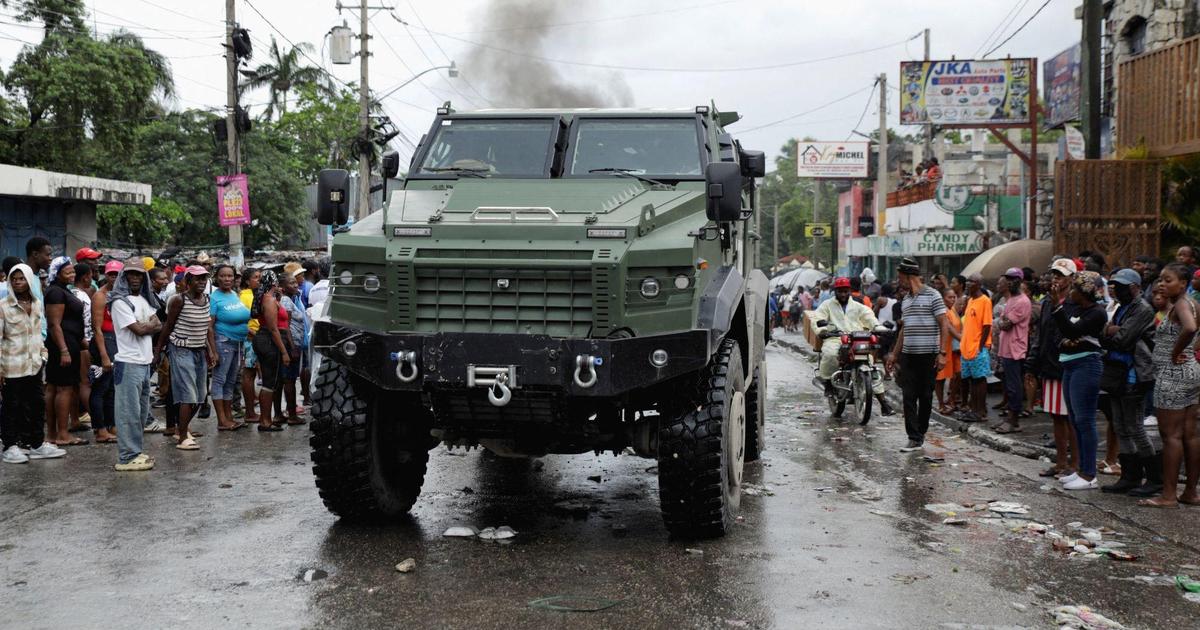
El Salvador deployed more than 2,000 soldiers to Haiti as part of a mission to recover four of its soldiers who disappeared in the Caribbean country almost two weeks ago.
The “robust deployment” was communicated by El Salvador’s President Nayib Bukele to Haiti’s Prime Minister Alix Didier Fils-Aime earlier this week, El Salvador’s Ministry of Foreign Affairs said in a statement Wednesday.
Bukele stated that the soldiers would also provide support in “ongoing security operations against gangs in Haiti,” the press report continued.
Tensions between the two countries have intensified following the disappearance of four air force technicians who were working in Haiti against gangs as part of a UN-backed military force.
“Large scale operation”
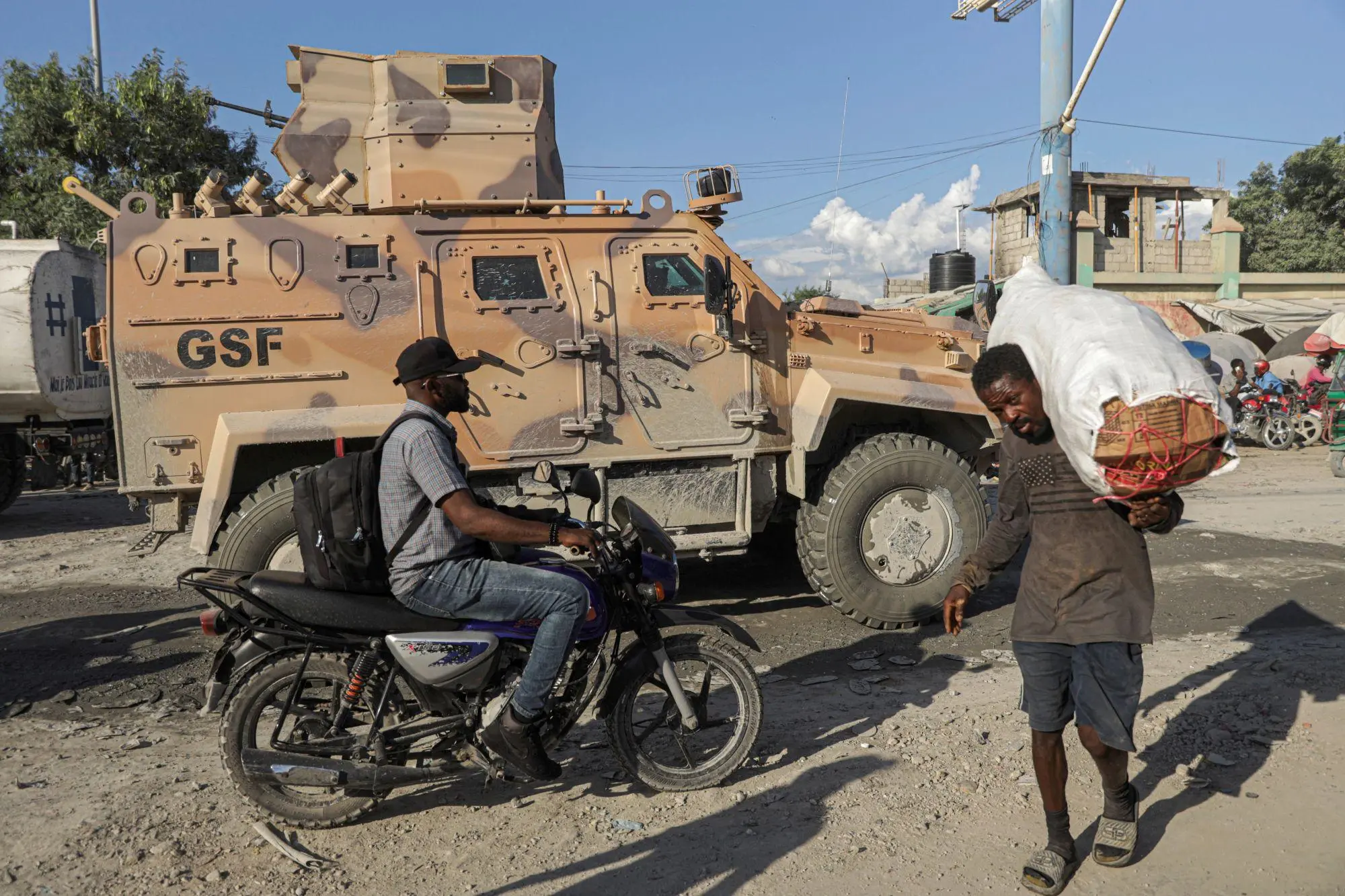
The four Gang Suppression Force (GSF) soldiers were returning to their base in an armored vehicle when they were ambushed in an area of the Caribbean island nation controlled by armed groups called Croix-des-Bouquets.
So far, no group has claimed responsibility for the claim.
The Ministry of Foreign Affairs of El Salvador stated that the “large-scale operation” had the support of several countries and international organizations.
Earlier this week, Haiti handed over four bodies to special forces claiming they belonged to missing soldiers, but Bukele claimed they did not match.
He said one of the bodies was that of a child and that another was wearing the military uniform of another country.
Last week, Bukele threatened in an X post to wipe out Haiti’s gangs, saying he would replicate the measures he took in El Salvador if the Salvadorans were not freed.
In October last year, the UN Security Council approved the expansion of the GSF’s powers to address worsening gang violence in Haiti.
The multinational force has had difficulty penetrating areas where gangs have control. According to the UN, more than 5,700 people have died in Haiti this year due to gang-related violence, and gangs control much of the capital.
Haiti has been ravaged by gang violence for years, but the situation has worsened in the political vacuum that followed the assassination of President Jovenel Moïse in 2021.
This article was originally written in English and we used an artificial intelligence tool to translate it. A BBC journalist reviewed the text before publication. Learn more about how we use AI.
-
Download the new BBC World Service app. Choose BBC News Mundo and receive news alerts, documentaries and analysis, all in one place. Important: The new app is not available in the United Kingdom or the United States.
-
You can also follow us on YouTube, instagram, TikTok, Facebook, x and on our channel WhatsApp.
-
And don’t forget subscribe here to our newsletter to receive a special selection of our best content every Friday.