The death of Agustín Randazzo is confirmed and there are now two Argentines who died in the train tragedy in Spain
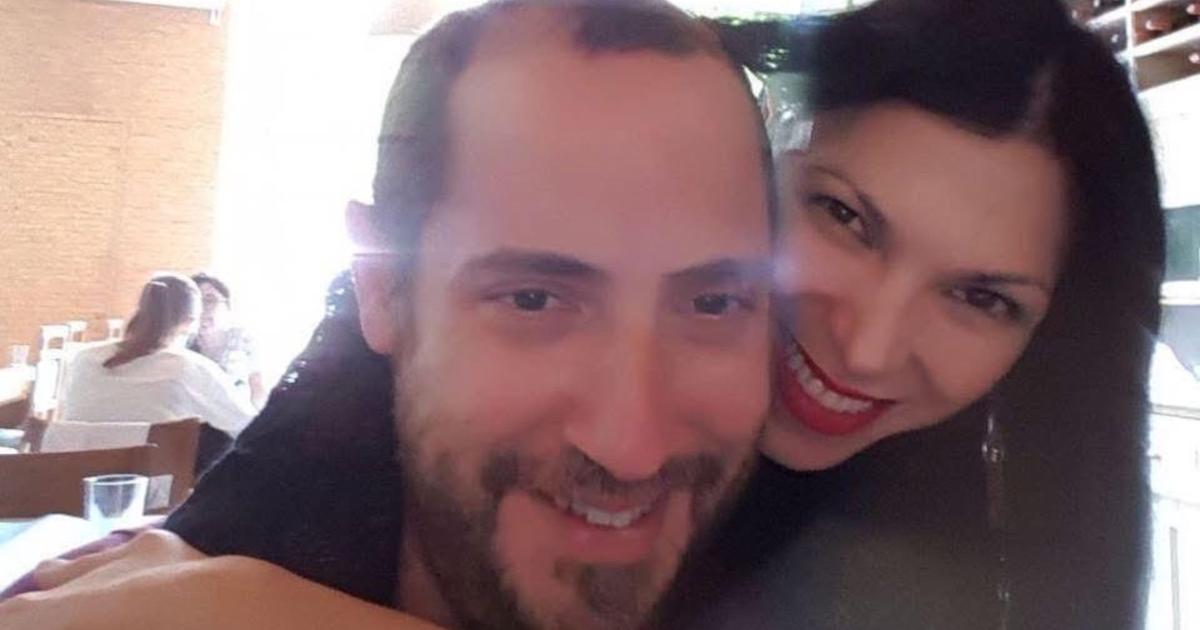
The Spanish authorities confirmed the death of Agustín Randazzo, the 51-year-old Argentine who remained missing after the train crash that occurred in Urda, Toledo. The man was traveling in car number 8 of one of the formations involved in the accident and had been wanted by his family since Wednesday.
Randazzo had resided in Madrid since 2002 and had been living outside Argentina for more than two decades. After the accident, his brother Jorge had moved to Toledo to visit hospitals and try to locate him, until his death was finally confirmed.
In this way, there are now two Argentines who died in the railway tragedy, after the death of Martina Conte Grand, a 32-year-old woman from San Juan, was also confirmed. Meanwhile, the Spanish authorities continue with the tasks of identifying the victims and the investigation to determine the causes of the crash.
Which train was Agustín Randazzo traveling on and how the accident occurred
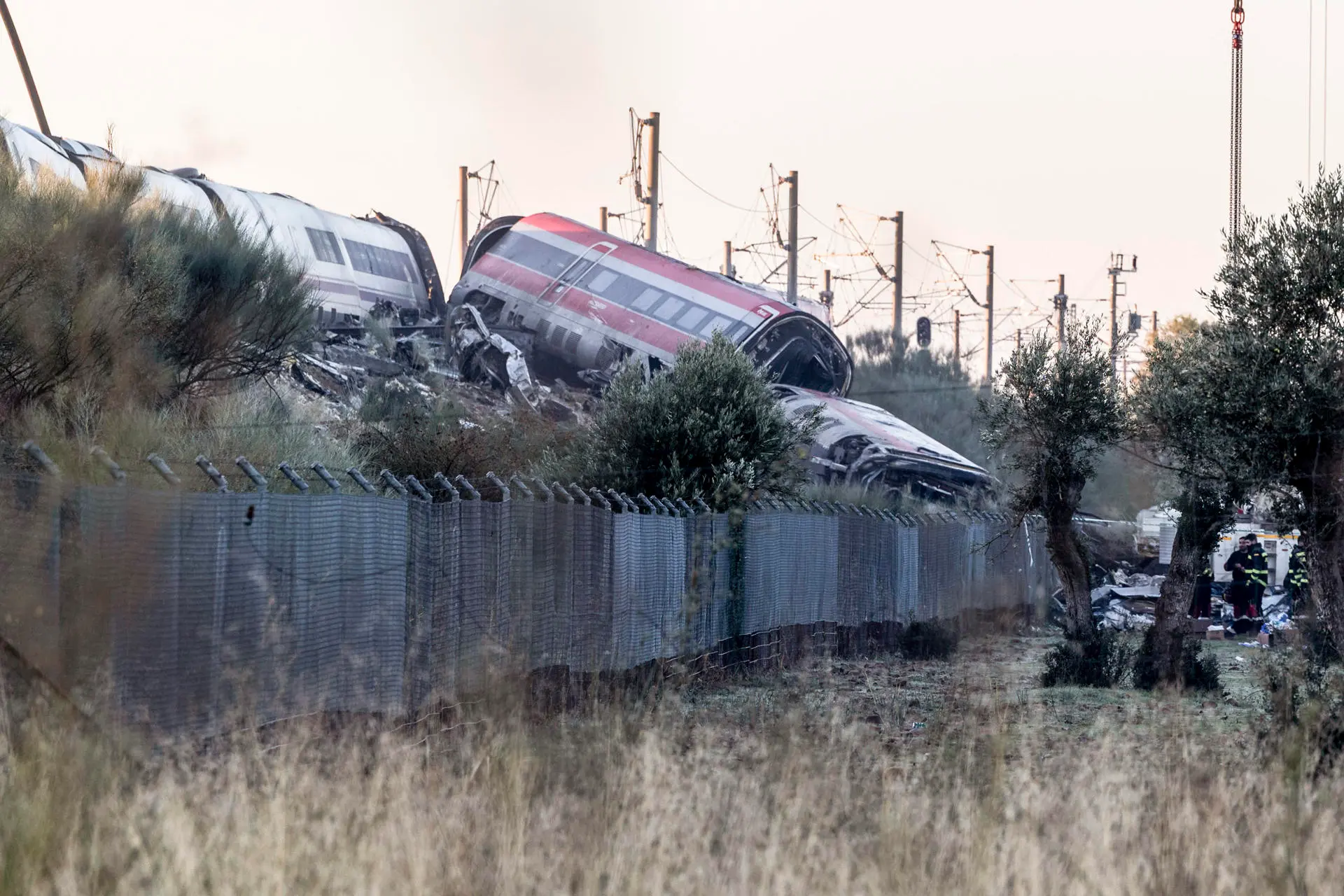
The Argentine had boarded an Iryo company train in Madrid, minutes before 7:54, bound for Seville. He was traveling in car number 8, precisely the last car in the formation, which received a direct impact from a Renfe AVE train.
According to initial investigations, a failure in the LZB railway security system would have caused the arrest of the Iryo convoy, which was carrying 147 passengers. Minutes later, a Renfe formation with 397 people on board hit him from behind, in an accident whose circumstances are still being investigated.
“He was a very healthy, capable guy with a lot of life”
Fashion designer Roberto Piazza, a friend of Agustín Randazzo, confirmed the discovery of the body of the 51-year-old Argentine who had been missing since the train crash in Toledo. “Until an hour ago we were searching, but it was learned that they found Agustín’s body at the Civil Guard,” he said.
Visibly affected by the news, Piazza remembered his friend, who had been living in Spain for more than two decades. “Agustín lived in Spain for 25 years; he was a very healthy, capable and very lively guy,” said the designer, who had closely followed the search through relatives and acquaintances of the victim.
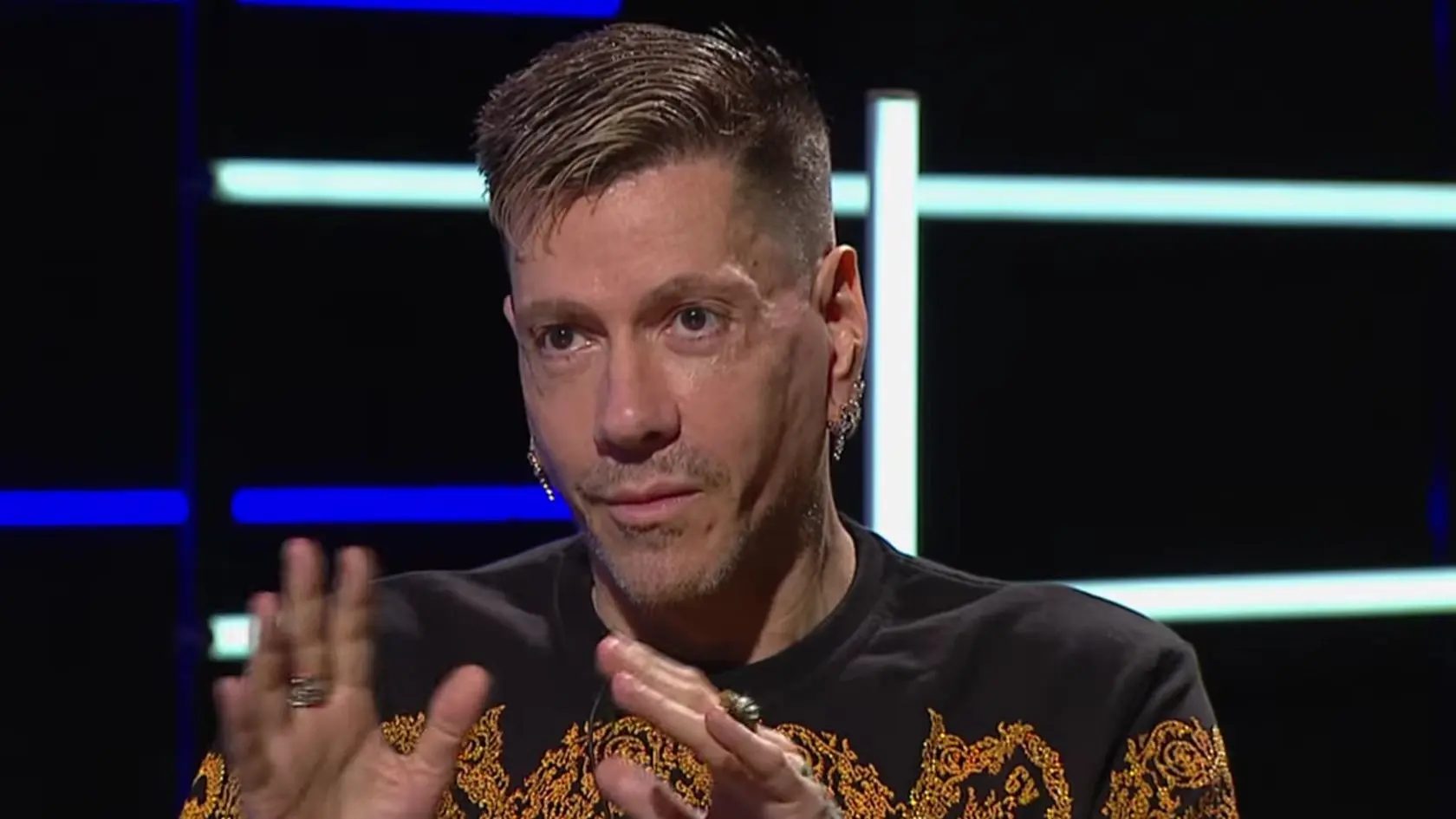
However, Piazza also questioned the lack of information about what happened to Randazzo after the accident. “Supposedly they treated him outside the train because his first and last name were listed. From there to finding him at the Civil Guard, I don’t know what happened in between,” he said.
In this context, the designer launched harsh criticism against the Spanish railway system. “There is talk throughout Madrid that all the trains are completely neglected in every sense of the word. I am not going to take them anymore,” he said. In addition, he questioned whether the accident was explained solely by human error and questioned the destination of the funds allocated to the maintenance of the trains.
“They use the signalman as a scapegoat, but there were several human errors. The 500 million euros that they say were given to fix the bullet trains never appeared,” said Piazza. His statements come while the Spanish authorities continue to investigate the causes of the accident, without the irregularities reported by the designer having been officially proven so far.
The desperate search for his family and DNA samples
During the hours after the crash, Randazzo’s partner turned to social networks to ask for information about his whereabouts, after visiting different hospitals without obtaining answers.
“I haven’t heard from my partner for several hours. He was traveling from Madrid to Seville on the accidented AVE, in car number 8. Neither family nor friends know anything about his condition. Please help,” he said in a publication.
Given the lack of information, Jorge Randazzo, Agustín’s brother, filed a disappearance report with the Madrid Police and provided DNA samples to collaborate with the identification tasks of the victims.
The family also made consultations at medical centers in Toledo and Ciudad Real, where they were initially unable to obtain conclusive information about the Argentine. The search continued until authorities finally confirmed his death.