Casavalle, the humble neighborhood of Montevideo that awaits Pope Leo XIV shaken by violence
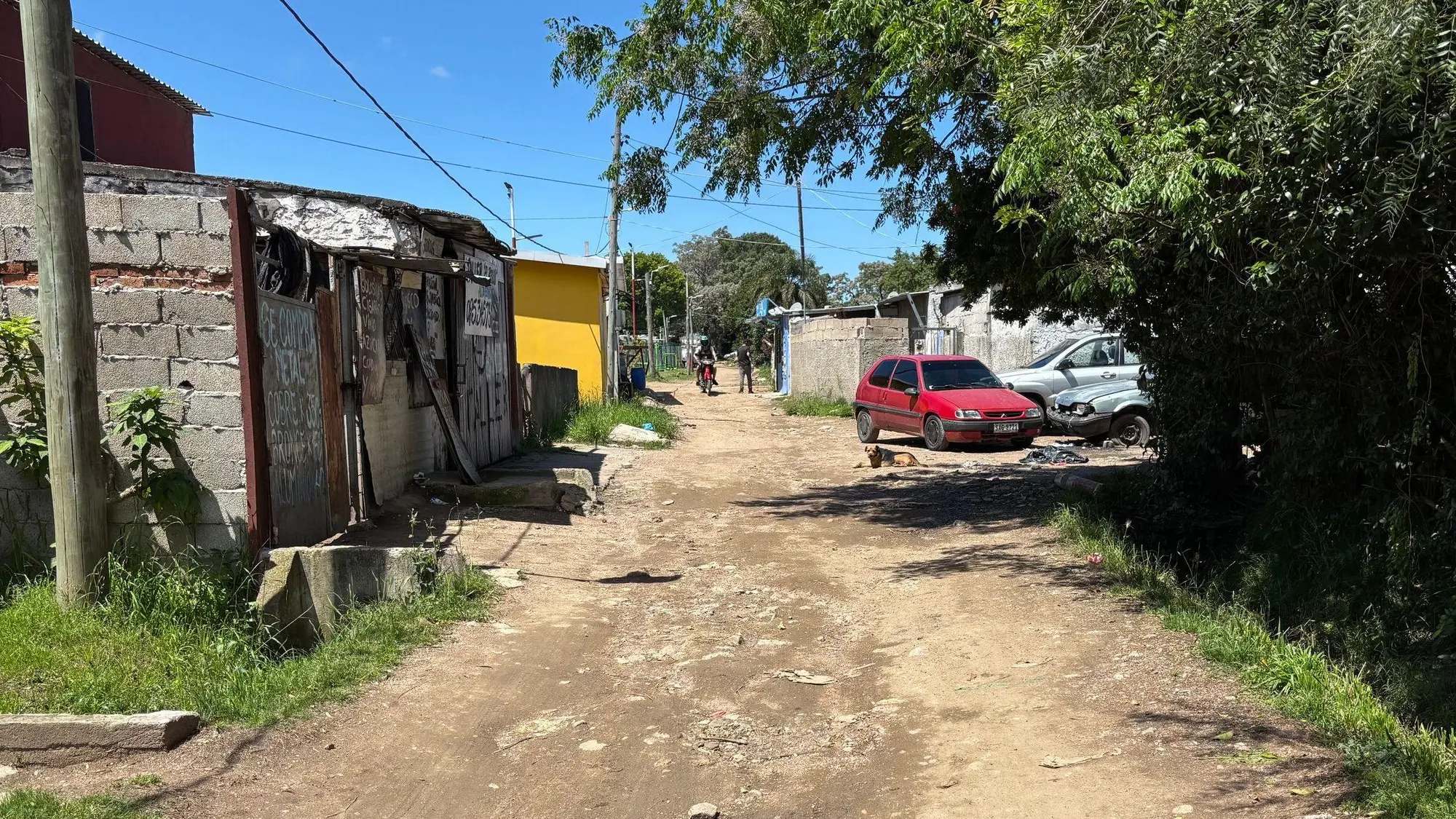
In Casavalle it is noon and the silence in the dirt streets contrasts with the gunshots that shake the humble and hard-working people as the sun goes down.
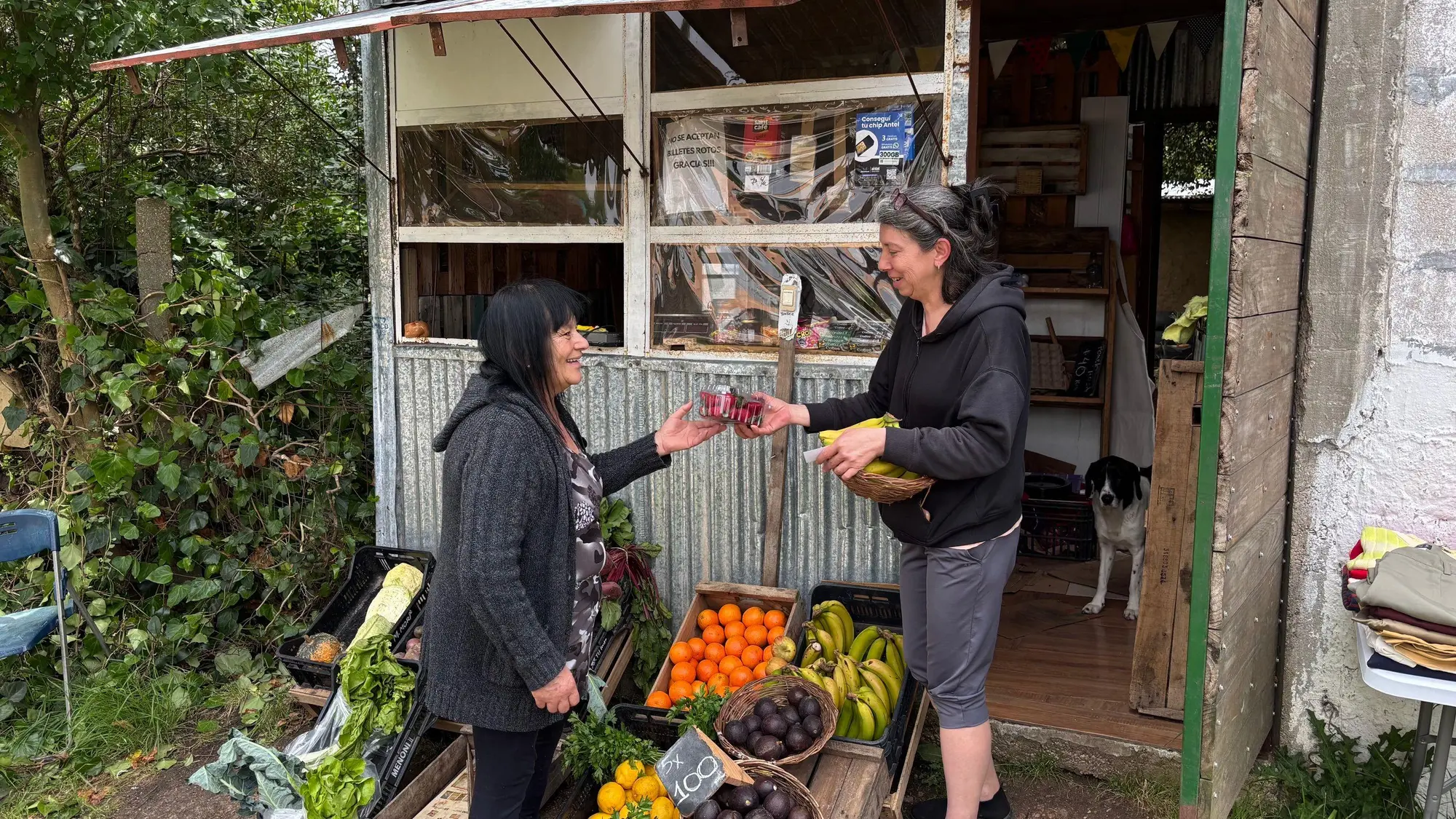
“There are shootings practically every night,” says Silvana de los Santos, a neighbor who has lived her 50 years in this area of northern Montevideo, while tending a small fruit and vegetable stand.
“My daughter is 10 years old and she tells me: ‘Mom, what are those, bombs or are they…?’ And no, there comes a time when I have to tell her the truth, because she is growing,” she continues.
De los Santos speaks a few blocks from the place where Pope Leo XIV plans to arrive this Saturday afternoon, as part of his tour of Uruguay, and asks that the visit bring a certain peace to the area, especially for the children.
“Sometimes,” he says, “in schools and public schools they have to run out to look for their children because of a conflict between gangs or shootings.”
Casavalle encompasses different micro-neighborhoods with high population density, more socioeconomic inequality and higher rates of violence than other parts of the Uruguayan capital, several studies indicate.
This situation differs from the image of tranquility and prosperity that Uruguay usually projects and was key for the Pope to decide to visit the site.
“For us it was essential that he was in that place, that he also knew the reality of poverty in Uruguay,” Cardinal Daniel Sturla, archbishop of Montevideo, tells BBC Mundo.
“There are also strong situations of violence,” he adds, “and yet the Church is present there with a variety of works like nowhere else in Uruguay.”
“This is violence”
The Casavalle parish that León will visit is called Nuestra Señora de Guadalupe, a temple from 1987 with exposed bricks and a special hustle and bustle these days.
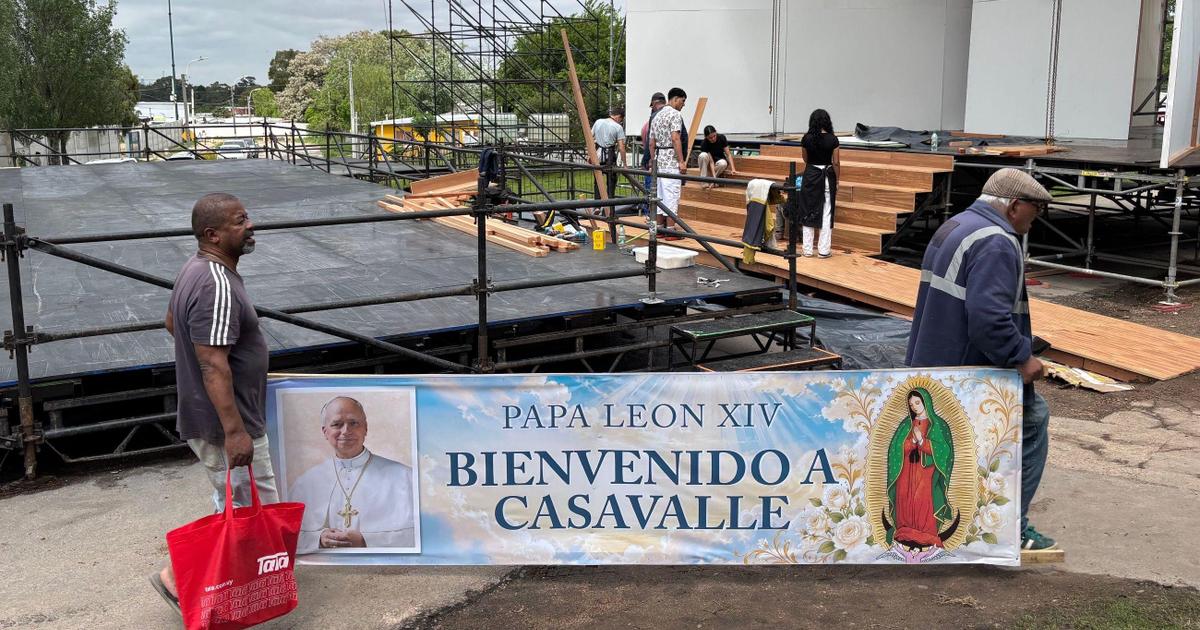
Outside, a stage has been built to receive the pontiff, with a wooden cross weighing about 130 kilos made by teenagers from Inisa, the Uruguayan institute for the detention of minor offenders.
“The Pope comes to Casavalle to remind many Uruguayans that there is life on the other side of Avenida Italia,” says Alejandro Andrada, referring to the artery that divides Montevideo between the most popular north and the richest south.
Andrada led a social organization in Casavalle that ceased to exist and, when walking through the area, he points out streets with sewage or accumulated garbage.
“This is violence,” he comments.
He also notices the solidity of houses built by Spanish and Italian immigrants decades ago, which are distinguished from other much more precarious and recent homes.
A little further away, two veteran neighbors describe a Dantesque scene that they witnessed a while before in a waste container.
“A woman (was) fighting with a dog, because she wanted to eat some noodles that had been thrown away and the dog wanted to eat them,” says Delmar Sandez, an 86-year-old retiree.
Rodolfo Arévalo, 67, says next to him that on those streets robberies have become frequent like bursts of gunfire.
“It’s because of drugs, because of the (cocaine) base paste, between neighborhood gangs,” he says.
He is not the only one who thinks this way.
Nearly two-thirds of the area’s residents identify “drugs” as a main problem and clashes between groups linked to it as a concern, according to a study by the University of the Republic published in June based on a survey in Casavalle and surrounding neighborhoods.
Last year, the area’s police department registered 39 reports of homicides, which is equivalent to 44.1 cases per 100,000 inhabitants, the highest rate in Montevideo in that period, according to official data.
This proportion almost triples the average homicide rate for the entire city (16.5), is barely lower than what the Colombian city of Cali had in 2025 (46.8 per 100,000 people) and almost double the rate of violent deaths in Rio de Janeiro (22.7 per 100,000 inhabitants).
Experts attribute a good part of these deaths in Casavalle to micro-trafficking conflicts and territorial disputes.
But the area’s police department was also the one that received the most complaints of domestic violence in Montevideo last year: 1,377.
Estrella Cuadrado, a 50-year-old street vendor, associates the increase in insecurity with the absence of adults who previously “enforced respect for the neighborhood.”
“Today those major references are not there,” he says. “They are prisoners or they have killed each other.”
“A lot of security”
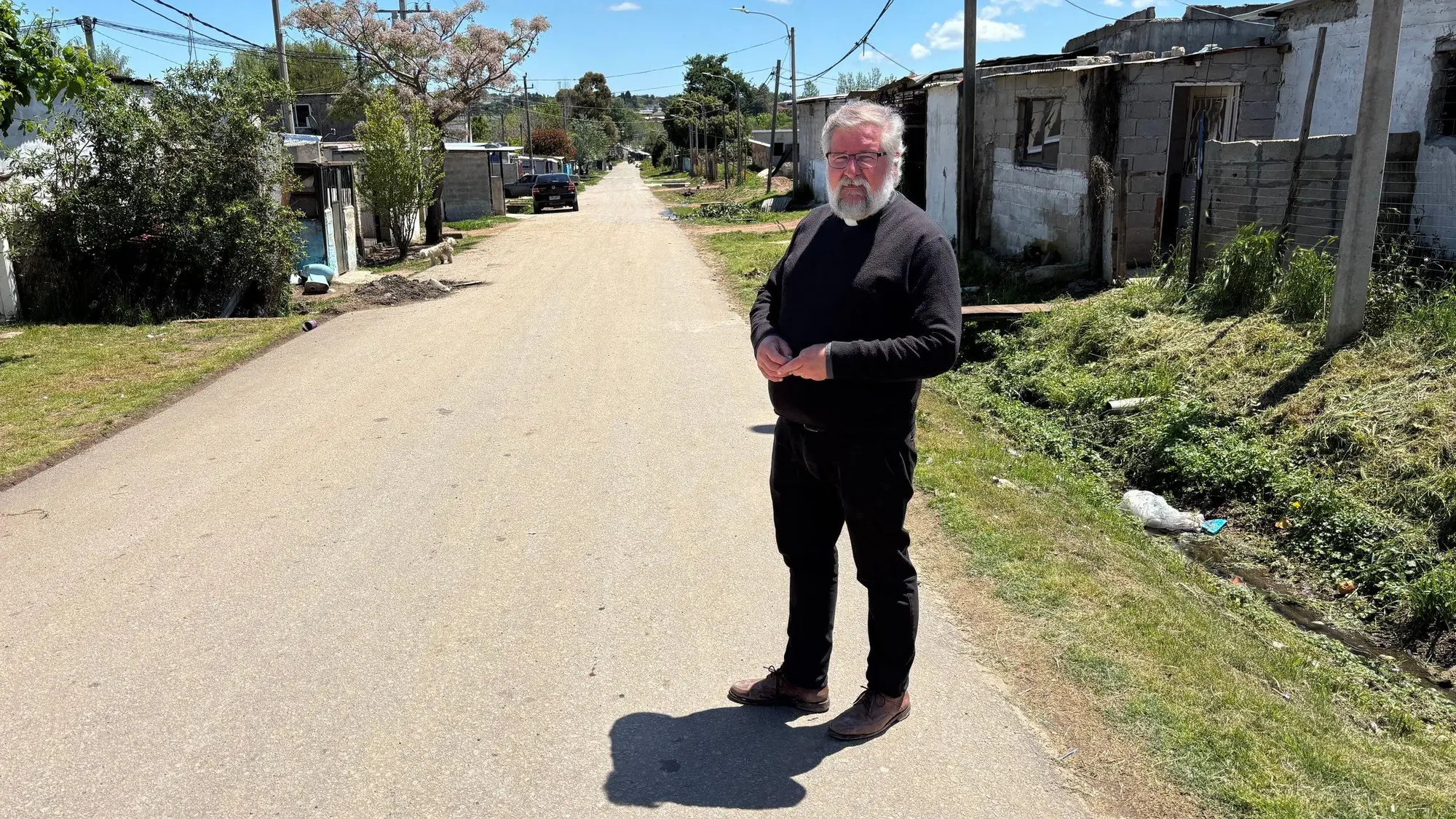
Priest Pablo Coimbra, leader of the local parish, points out that in the neighborhood “there is violence, poverty, drug trafficking,” but also “humble and hard-working people who want to get ahead.”
The social works of the Church in the area, he explains, include educational centers that provide scholarships for children and young people, craft workshops ranging from technology to carpentry, food, promotion of sports and care for abandoned elderly women.
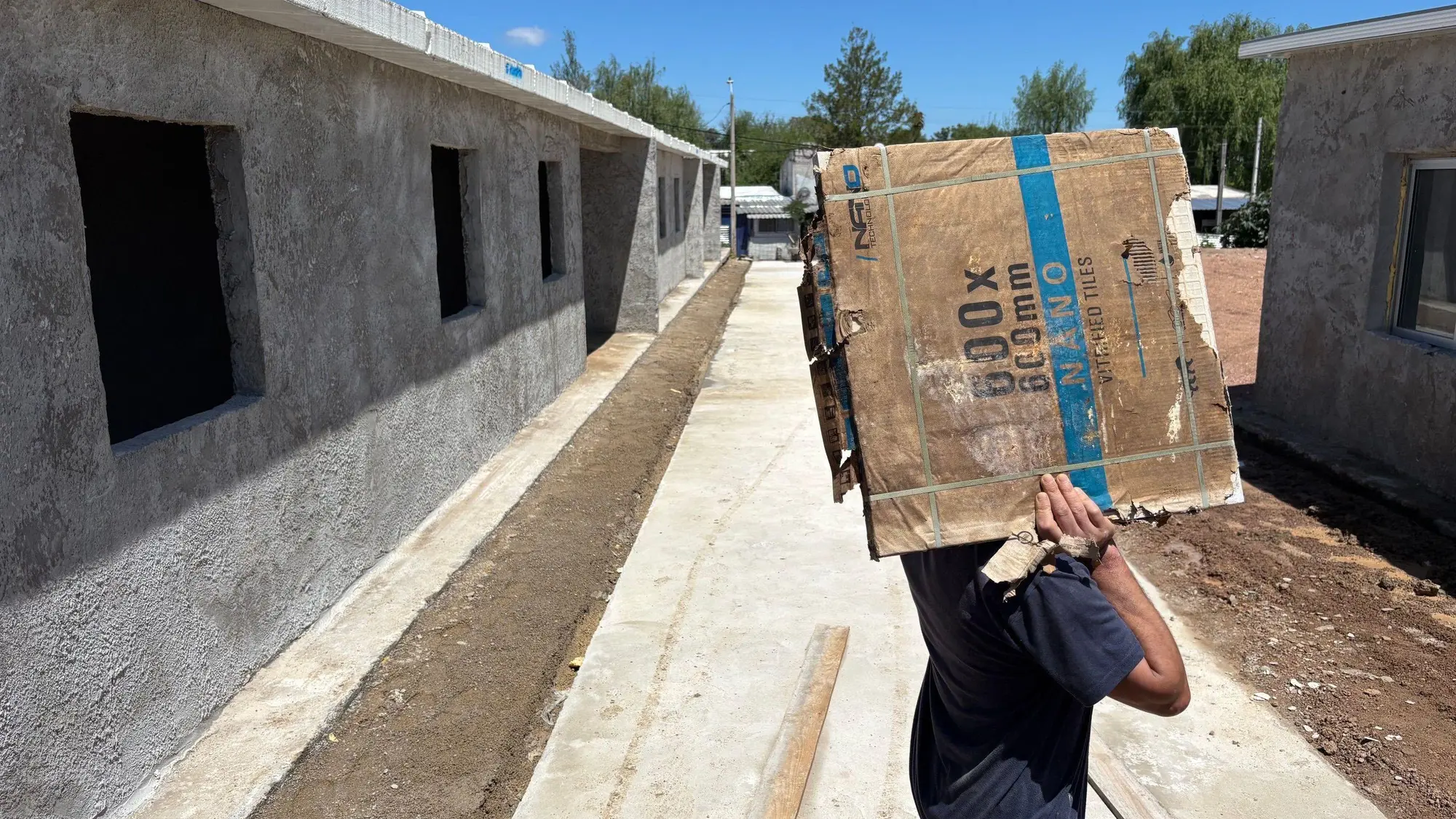
More than 130 homes have also been built and repaired in recent years for families linked to the parish.
All of this is financed by the Church itself, by private foundations and, in some cases, by agreements with the State, details Coimbra, who is also a public accountant and six years ago began his mission in Casavalle.
“It is not an absent State,” he comments, “but it is an inefficient State.”
A few meters from the parish, Guadalupe Bongiovanni and Diego Rivero work on a complex of half-built Church homes that are expected to be blessed by León.
“My son was robbed on the corner of his house, with a gun and everything,” says Bongiovanni, 36 years old. “They have to bring a lot of security for when the Pope comes.”
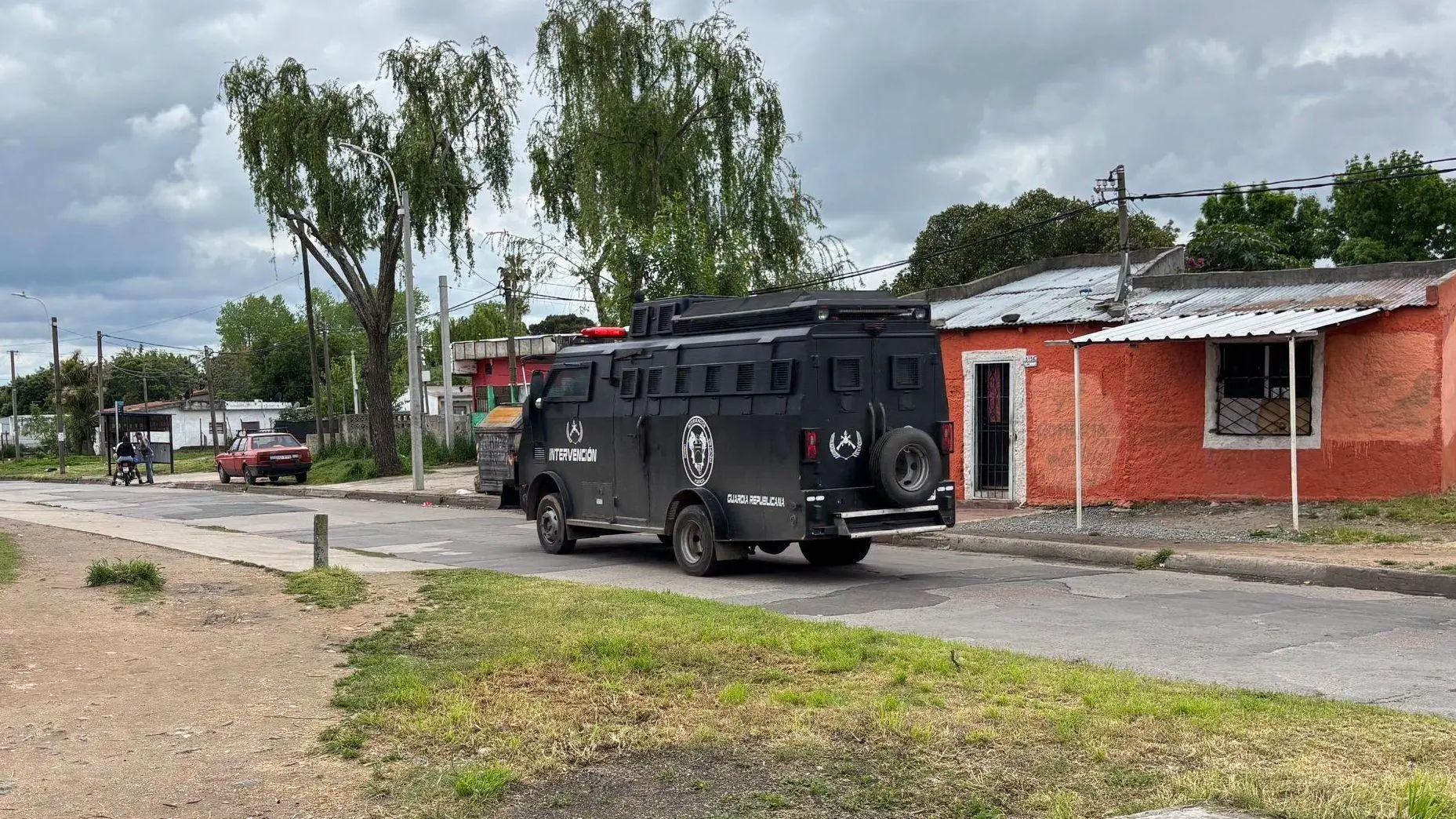
The increased police presence has already been evident in the area for days: agents pass by on foot, on motorcycles, trucks and even in armored vehicles.
Coimbra rules out that there are security problems during the papal visit. And, on a tour of the neighborhood, he greets the neighbors with familiarity.
Suddenly, Lorenzo Álvarez, a 71-year-old pensioner, approaches the priest to inform him that his house was broken into when he had left.
Coimbra remembers that last year he confronted a well-known thief in the area to demand that he stop stealing from neighbors.
“I’m going to kill you,” the man responded.
The priest then filed a police report about the threat. And he continued with his tasks.
Download the new BBC World Service app. Choose BBC News Mundo and receive news alerts, documentaries and analysis, all in one place. Important: The new app is not available in the United Kingdom or the United States.
You can also follow us on YouTube, instagram, TikTok, Facebook, x and in our whatsapp channel.
And don’t forget subscribe here to our newsletter to receive a special selection of our best content every Friday.