
Spies, informants and secret police: Hungary confronts its past as it opens communist-era archives
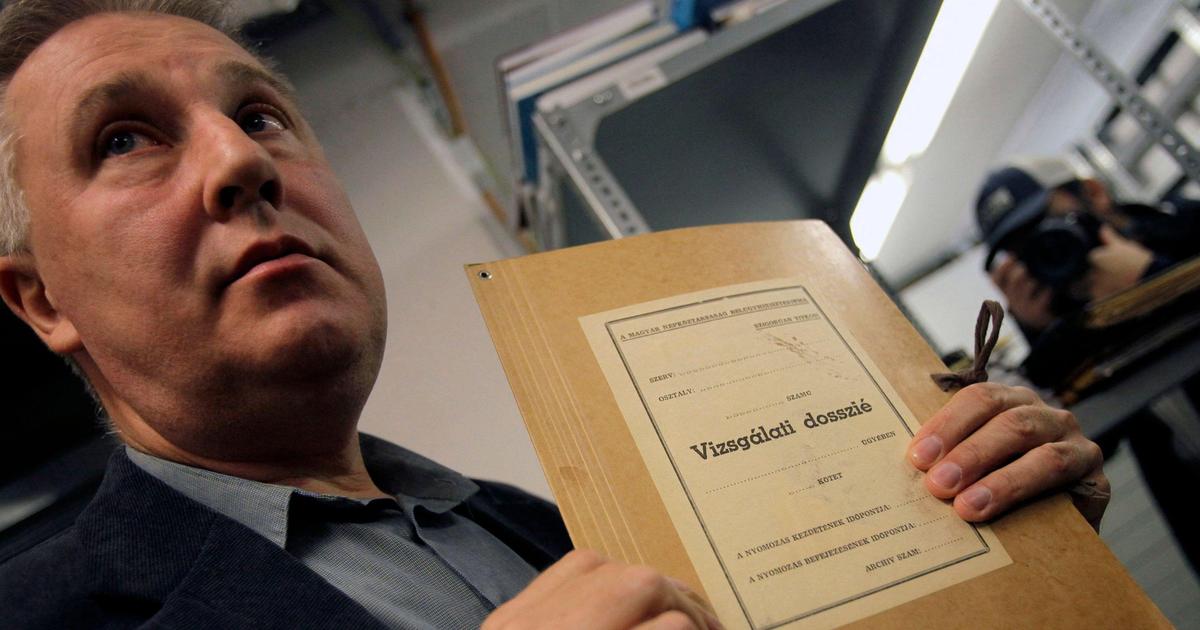
Hungary has published its entire archive of state security records online, potentially revealing who spied on neighbors, colleagues, friends and family during four decades of communist rule until 1989.
The government says this is a vital step in the country’s democratic transition.
For some, it offers a long-awaited opportunity to seek explanations for arrests, interrogations and disappearances at the hands of the communist state and its vast network of spies.
For others, it could bring to light painful secrets buried for decades.
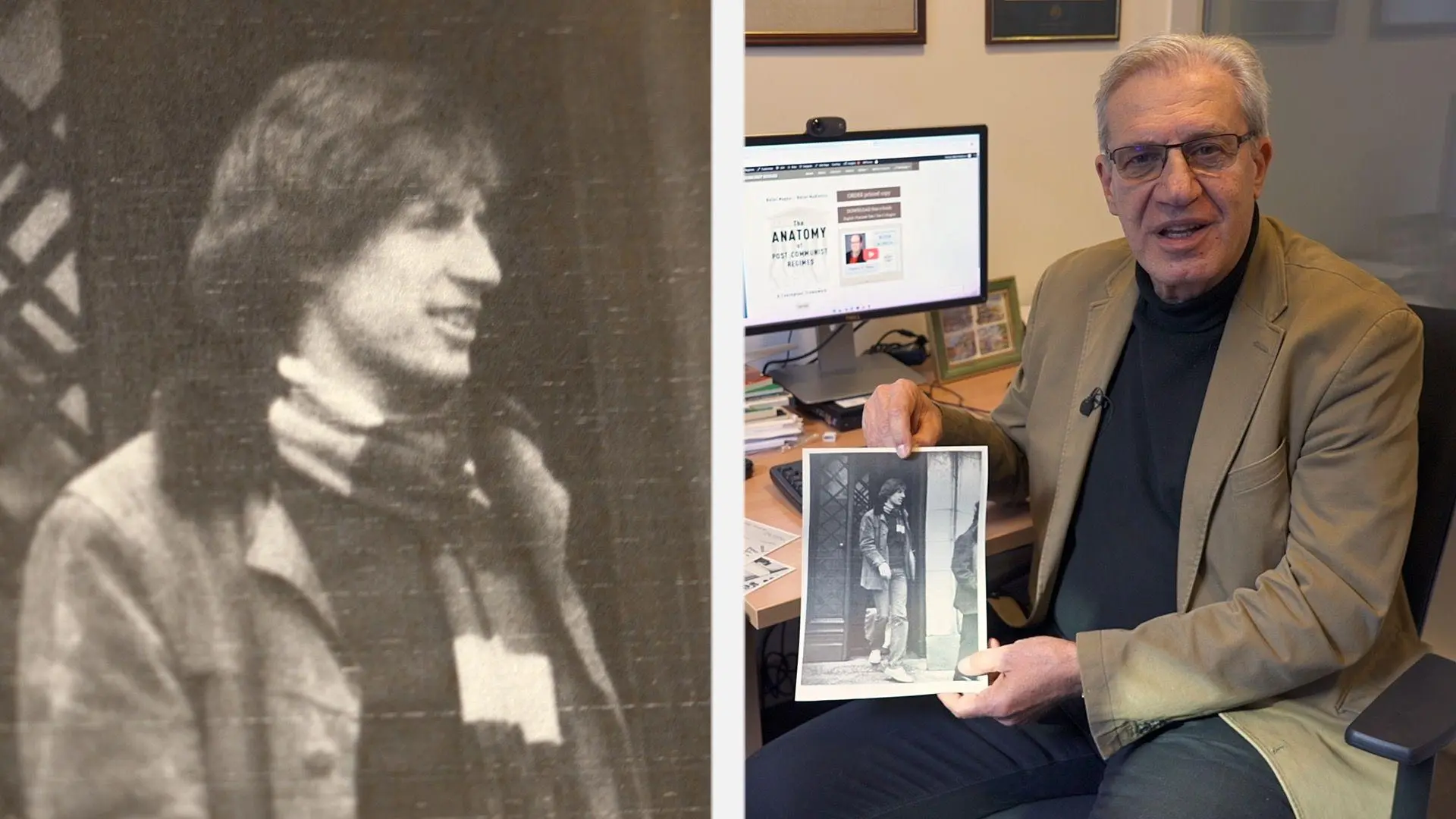
As an opposition activist in communist Hungary in the 1980s, Bálint Magyar knew he was being closely watched.
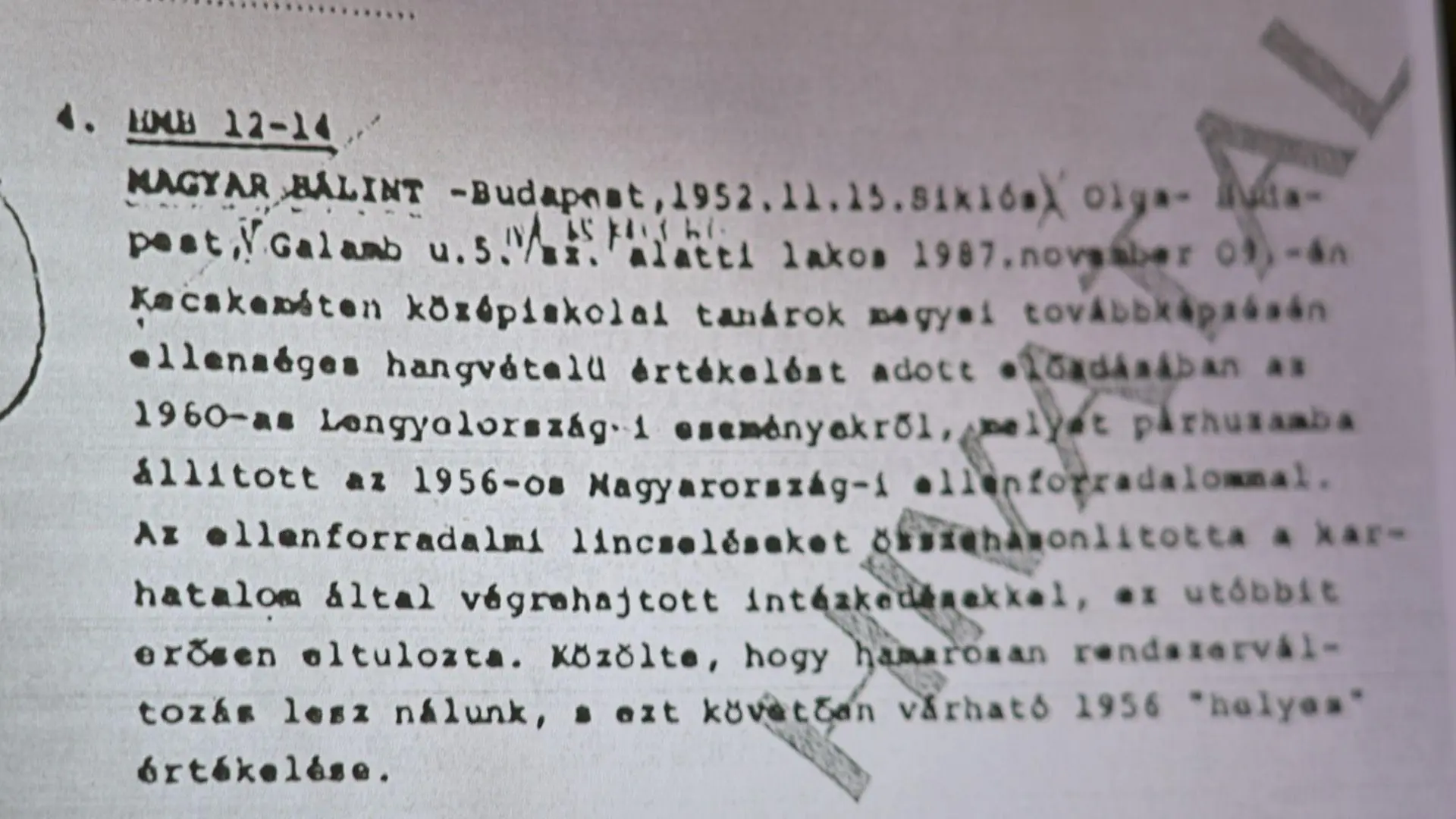
Since then, he has managed to obtain fragments of the information that the State secretly collected about his life, including a police informant’s account of a speech he gave to a group of teachers in 1987, in which he claims that he “declared that a regime change would soon occur in our country.”
Magyar now sees the funny side. “I didn’t remember that I had already been talking about the possibility of regime change so soon,” he tells the BBC World News Service.
He still doesn’t know who the informant was, or any details of the operation to monitor his activities, but he could be on the verge of finding out.
“Neither the machinery itself nor its operation have been made public,” he says. “Perhaps by making all documents fully accessible now you can get a clearer view of the system as a whole.”
Mass surveillance program
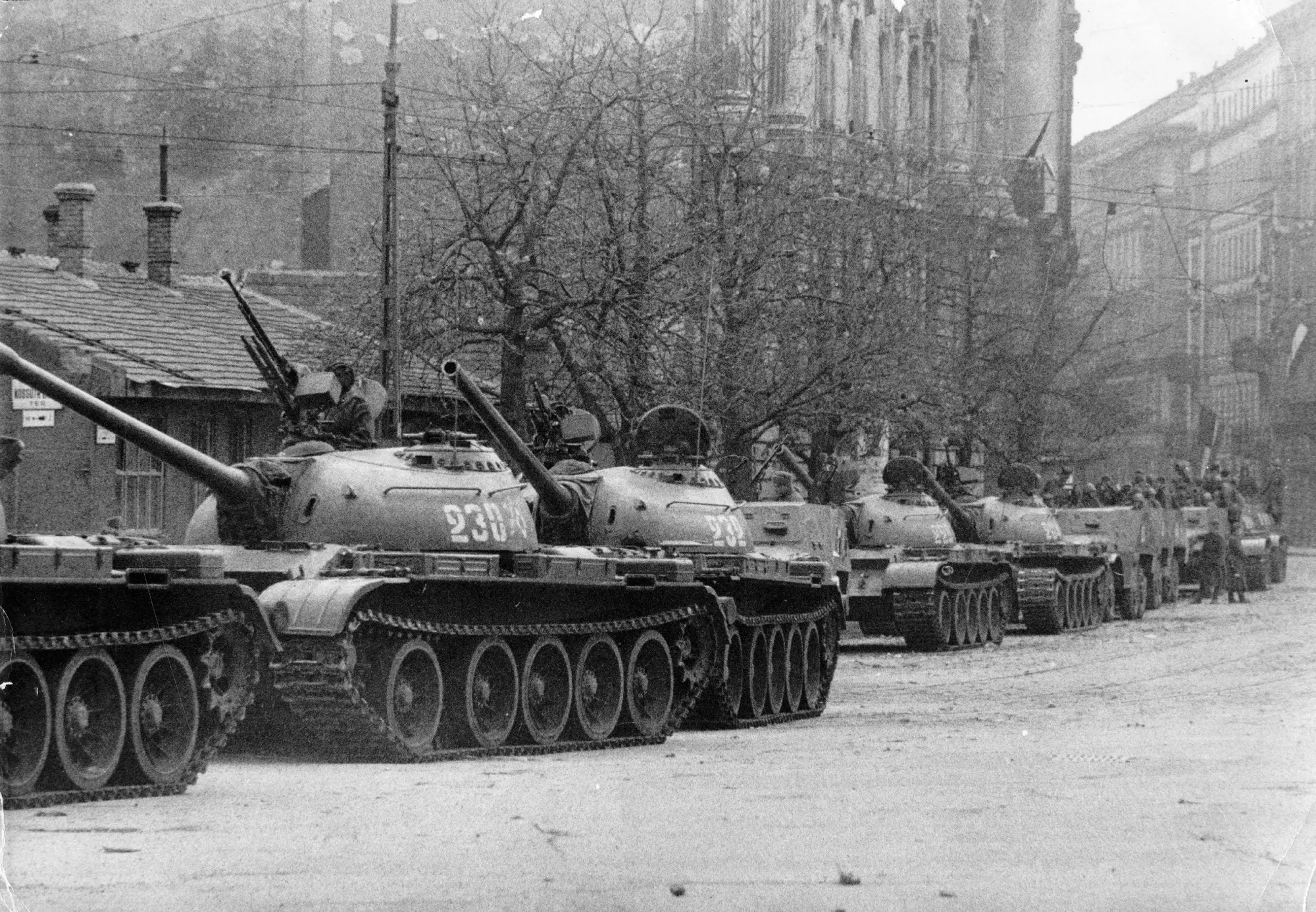
The first batch of files was released on Wednesday, November 4, coinciding with the 70th anniversary of the brutal Soviet repression that crushed Hungary’s pro-democracy uprising in 1956.
In the following years, hundreds of the movement’s leaders were imprisoned and executed.
The Hungarian State created a mass surveillance program. Collaborators were recruited from the population—often through blackmail or bribery—to spy on their communities. According to Gergő Bendegúz Cseh, director of the Hungarian State Security Historical Archive, between 50,000 and 60,000 of them are in the archives.
“We are scanning and publishing all the files of the former agents,” says Cseh. “So it will be clear, at least from the documents that have been preserved, not only that someone was recruited, but also under what pretexts, how the recruitment was carried out, what they were blackmailed with and how they operated.”
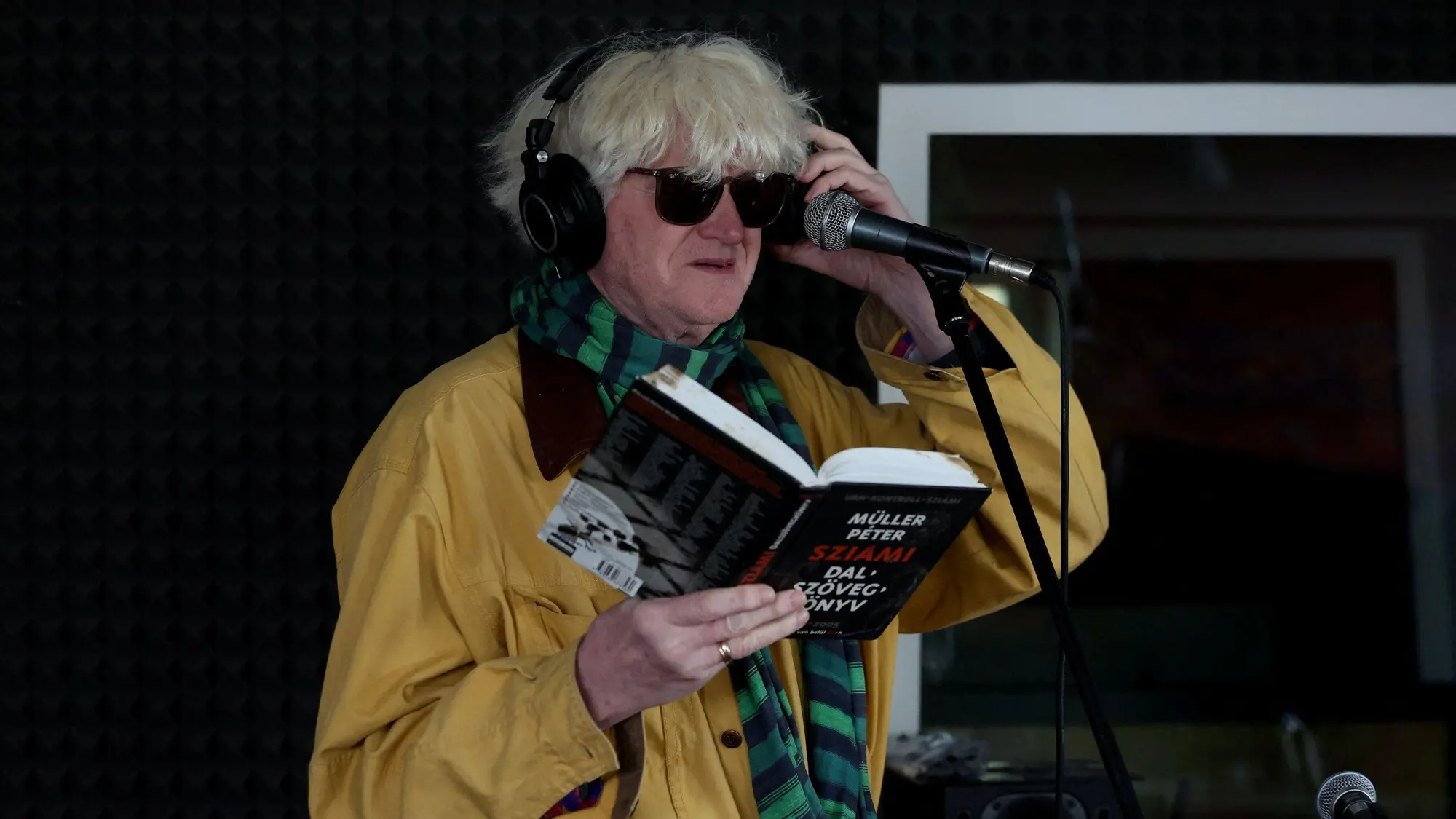
Péter “Sziámi” Müller was part of the subversive alternative rock scene of Hungary in the 1980s. Police informants were always keeping watch in the crowd.
“They reported you, they took you to the police station… so yes, it was something recurring,” he says.
Müller spent years fighting the communist system, but is concerned about identifying collaborators.
“I’m not entirely comfortable with the idea that society needs such a purification or catharsis after all this time; that people who have already died or have moved on to a different stage of life need to be singled out, humiliated, shamed, and punished,” he says.
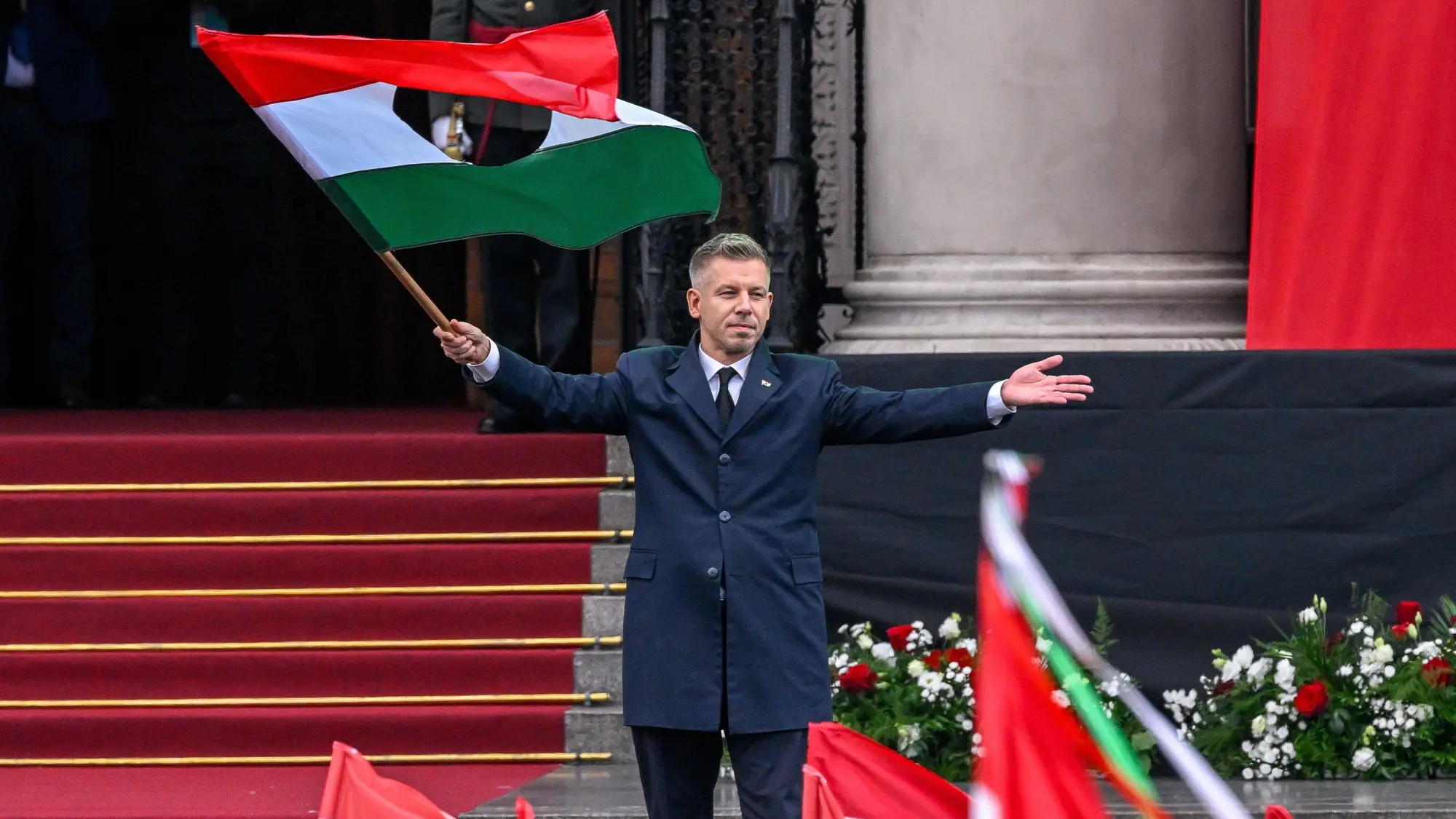
Legislation to release the files was passed in September.
Following his landslide election victory in April over Viktor Orbán, Prime Minister Péter Magyar said his government would “fulfill one of the most important promises of the democratic transition: we will make existing records public and searchable.”
Some countries, such as Poland and Germany, opened their archives much more quickly after the fall of communism. However, not all documents have been digitized and searches may be restricted to personal or family records.
Hungary says its online archive will allow open and unrestricted searches by anyone.
But, according to Bálint Magyar, the publication has arrived too late for accountability to be held.
“The issue is no longer primarily about who should be held accountable, or who can be held accountable, because the majority of that generation are no longer alive, while others have died and are no longer actively working,” he says.
Having become a deputy and government minister after the fall of communism, Bálint Magyar is now a senior researcher at the Institute of Democracy at the Central European University of Budapest.
For him, the value of publishing the files goes beyond holding individuals accountable.
“A nation cannot continue living with lies without confronting its own past in some way,” he says. “(Opening the archives) would certainly help Hungary do that.”
Hungary is about to discover much more about that dark past.
Those who support the measure say it is a great step towards historical reconciliation. But for some, facing these secrets will be painful.
This article was originally written in English and we used an artificial intelligence tool to translate it. A BBC journalist reviewed the text before publication. Learn more about how we use AI.
-
Download the new BBC World Service app. Choose BBC News Mundo and receive news alerts, documentaries and analysis, all in one place. Important: The new app is not available in the United Kingdom or the United States.
-
You can also follow us on YouTube, instagram, TikTok, Facebook, x and in our whatsapp channel.
-
And don’t forget subscribe here to our newsletter to receive a special selection of our best content every Friday.
-
Why Viktor Orbán’s defeat in Hungary is a hard blow for Putin and a relief for Ukraine and the rest of Europe
-
Who is Péter Magyar, Viktor Orbán’s former ally who became his staunchest critic and defeated him in historic elections in Hungary
-
Nagyrev, the Hungarian town where hundreds of men were murdered by their wives