
From the Nvidia scandal to the other explosive romances that shook large corporations

The corporate world was shaken by the departure of Jensen Huang, co-founder and until now CEO of Nvidia, the American semiconductor giant. The 63-year-old executive was involved in a scandal for two extramarital affairs: one with Alice Huang, a businesswoman linked to Megaspeed International, a company investigated for alleged maneuvers related to the shipment of chips to China, and another with Kimberly Powell, vice president of Health at Nvidia and an executive who reported directly to him. The first relationship was recognized within the framework of the information about the case, while the second was revealed by The New York Times based on testimonies from former employees and does not have the same independent confirmation.
The crisis had immediate consequences: Huang submitted his resignation on November 12, 2026, also left his place on the board and was replaced on an interim basis by CFO Colette Kress. The exit caused a violent reaction on Wall Street: Nvidia shares plummeted by 14% during early trading, with a momentary loss of hundreds of billions of dollars in market capitalization. In addition, the case opened investigations into possible links with foreign intelligence operations and the management of strategic information.
But this case of resignation at Nvdia brought to mind other episodes that triggered strong shocks in renowned companies whose CEOs had to leave the organization due to the leak of love scandals, which later had an impact on the stock market valuation of the firms.
McDonald’s: three relationships, an internal investigation and US$105 million returned
In November 2019, Steve Easterbrook, CEO of McDonald’s, was fired after the board discovered that he had a consensual romantic relationship with an employee, in violation of internal rules. The story had a much more explosive second part: in 2020, a new investigation confirmed three other relationships with female workers and detected that the executive had hidden information from the board of directors, in addition to having granted shares to one of them. The company filed a lawsuit to recover the compensation it had awarded him when he left office. In December 2021, Easterbrook agreed to return cash and stock valued at more than $105 million, one of the largest executive compensation payouts linked to a corporate conduct scandal.

Intel: the CEO who lost his position due to a relationship with an employee
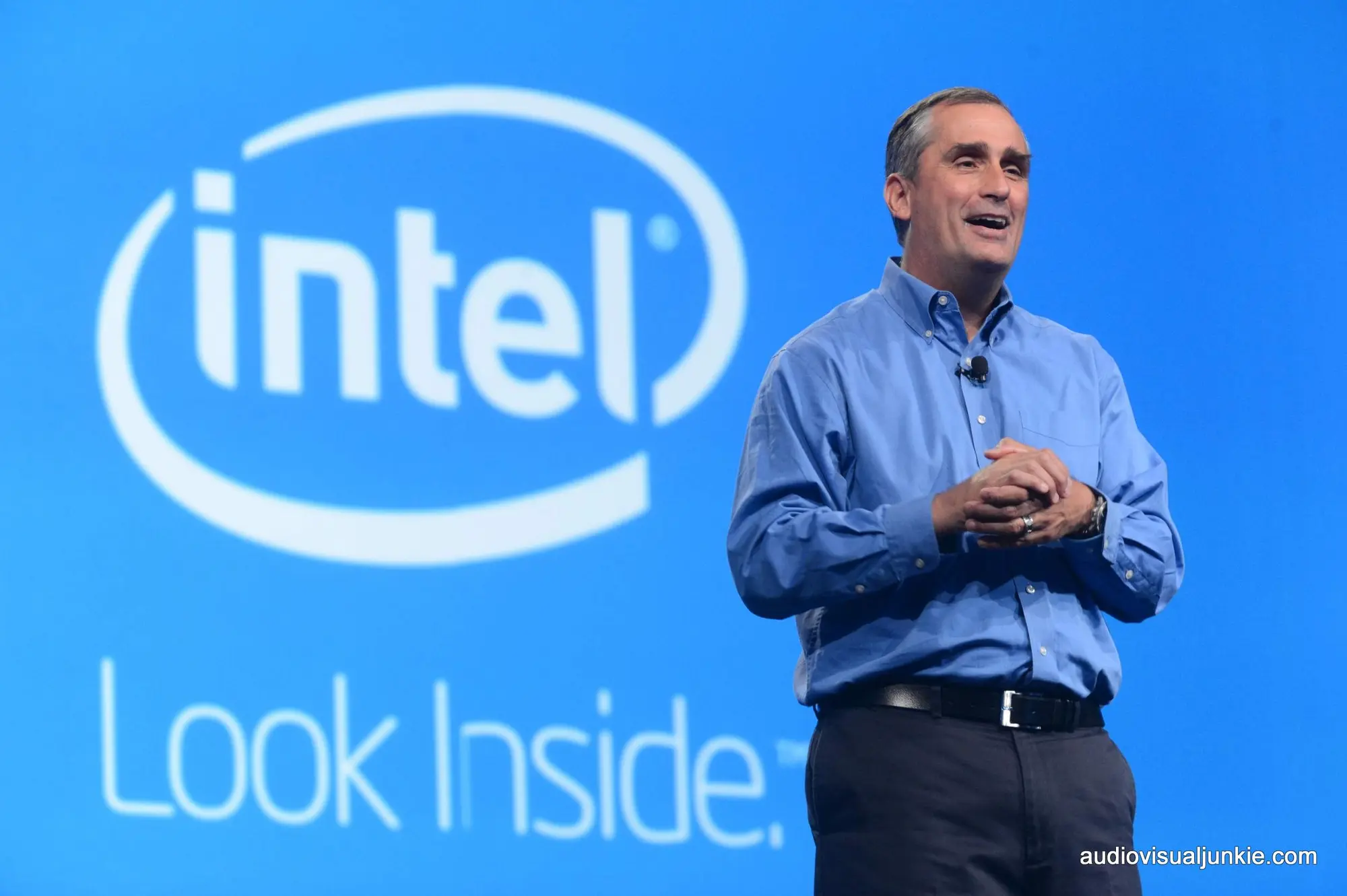
In June 2018, Brian Krzanich, Intel’s chief executive officer, resigned after an internal investigation confirmed that he had had a consensual romantic relationship with an employee. The link violated the company’s non-fraternization policy, which affected all managers and directors. Krzanich, who had joined Intel in 1982 as an engineer and led the company since 2013, also left his place on the board. The official statement was forceful: the council accepted his resignation for violating the code of conduct. Shares fell about 1.5% in early trading after the announcement. Intel did not disclose extraordinary compensation linked to the episode.
BP: undeclared relationships, broken promises and millions of dollars in lost compensation
Bernard Looney, CEO of BP between 2020 and 2023, resigned in September of that last year after the board discovered that he had not been completely transparent in reporting previous intimate relationships with employees of the oil company. The company had already investigated the matter in 2022 and had asked him for guarantees about his statements and future behavior.

When new information emerged, Looney acknowledged that his explanations had been incomplete. In December, BP concluded that he had deliberately misled the board and fired him for serious misconduct. The economic outcome was overwhelming: he lost the right to collect the 2023 annual bonus and receive remuneration after dismissal; In addition, important variable compensations and actions that he could receive were annulled. The company reported that during the period before his dismissal he had received £424,000 in salary and benefits.
Best Buy: a 29-year-old employee, the founder involved and an exit of US$6.6 million
In 2012, Best Buy CEO Brian Dunn left his position after an audit committee investigation confirmed an inappropriate personal relationship with a 29-year-old employee; he was 51. The corporate report included 45 interviews with 34 current and former employees, plus a review of emails, phone records and internal documentation. The investigation concluded that the relationship had violated company policies and harmed the work environment.
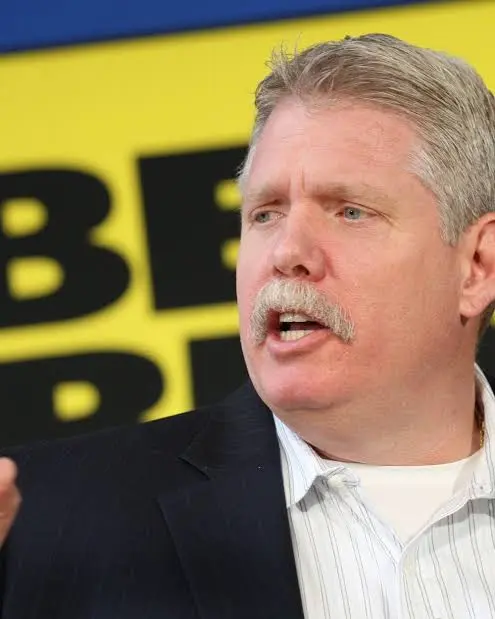
But the scandal also reached Richard Schulze, founder and then president of Best Buy, who knew about the relationship and had not informed the audit committee: he ended up leaving the presidency. Dunn, for his part, received an exit package estimated at $6.6 million, which included severance, actions and outstanding compensation.