
Barroso defines rules for the use of body cameras by the SP Military Police
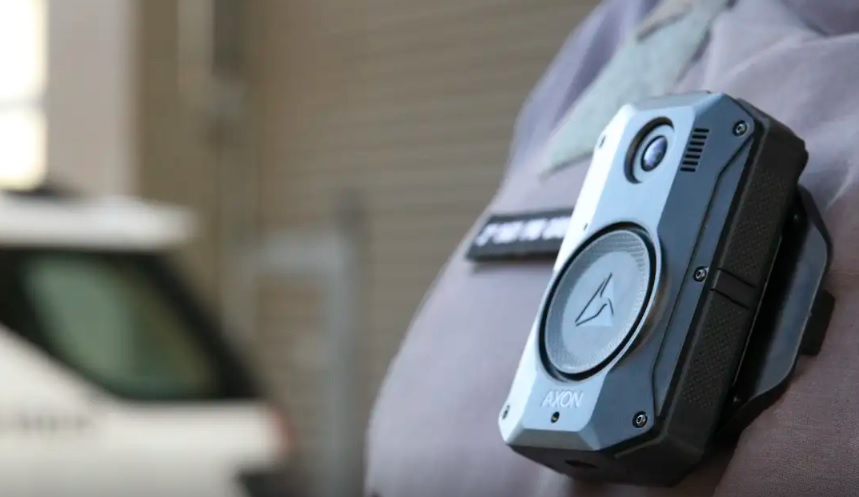
The president of the Federal Supreme Court (STF), minister Luís Roberto Barrosodefined, on Thursday (26), the rules for the mandatory use of body cameras by military police officers in São Paulo.
According to the decision, agents must use the equipment in “large-scale operations”, incursions into vulnerable communities and in operations launched to respond to attacks against police officers.
The minister’s decision was made after the São Paulo government requested the Supreme Court that the cameras be used only in large operations. According to the PM, the corporation has 10,000 pieces of equipment, but around 80,000 police officers are part of the force.
DOWNLOAD NOW
In a letter sent to the Supreme Court on Wednesday (19), the Attorney General’s Office of the State of São Paulo claimed that the minister created a broad interpretation when determining the use of cameras in police operations, in a decision dated the 9th of this month. The prosecutor’s office maintains that not all operations pose a risk of confrontation.
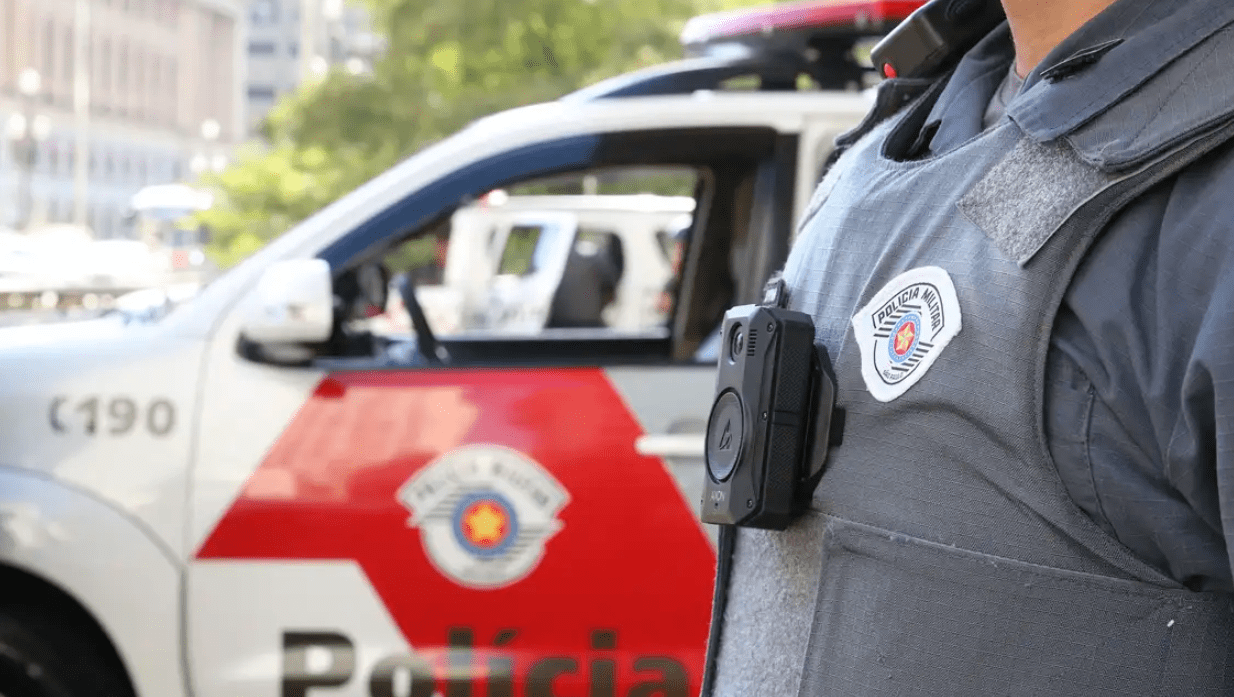
Military Police remove officer who shot a boy at close range in SP
A 24-year-old young man was taken to a hospital in Osasco (SP) for treatment and there is no information about his health status. The case was registered at the 89th Police District of Jardim Taboão, in São Paulo
In his new order, Barroso decided to limit his previous decision that determined the use of cameras.
“I delimit the mandatory use of cameras in large-scale police-military operations, as well as operations that include incursions into vulnerable communities to restore public order or are launched to respond to attacks carried out against military police officers, as long as they are carried out in regions where there is availability of equipment”, noted the magistrate.
The decision by the president of the STF also determines that the cameras must be distributed strategically to regions with a higher rate of police fatality. The state of São Paulo was also required to present a monthly report to prove compliance with the measures.
Public Security Forum rebuts governors and supports decree on police action
In a note, the FBSP argues that, contrary to what some governors claim, the decree is not unconstitutional nor does it represent a violation of powers
History
The government of São Paulo committed to the STF, in April this year, to use body cameras in police operations in the state and presented a schedule that established the implementation of the system. The state planned a new tender and acquisition of new equipment.
In September, the government announced the signing of a contract with the company Motorola for the purchase of 12,000 body cameras. The purchase was criticized, however, for foreseeing changes in the way the equipment was activated.
According to the rules of the notice, the recording equipment could be activated by the police officer himself or by a police operations center. This way, recording could be interrupted during operations.
The model provided for in the contract does not record uninterruptedly, that is, the police officer, or the corporation, will activate the equipment whenever they wish, a point criticized by human rights entities. According to the Public Security Secretariat (SSP), this is compensated by other features, such as automatic activation, via software, remotely by the PM Operations Center (Copom) and manual activation by the police officer himself.
Months earlier, in May, the São Paulo Public Defender’s Office and human rights entities asked the STF for changes to the purchase notice.
The following month, Barroso rejected the request, but decided that the São Paulo government should follow the parameters of the Ministry of Justice and Public Security in the bidding to purchase body cameras.
The Public Defender’s Office then asked Barroso to reconsider the decision.
(With Agência Brasil)
