
AI’s next frontier is to be in the real world and replace cards, passwords and tickets
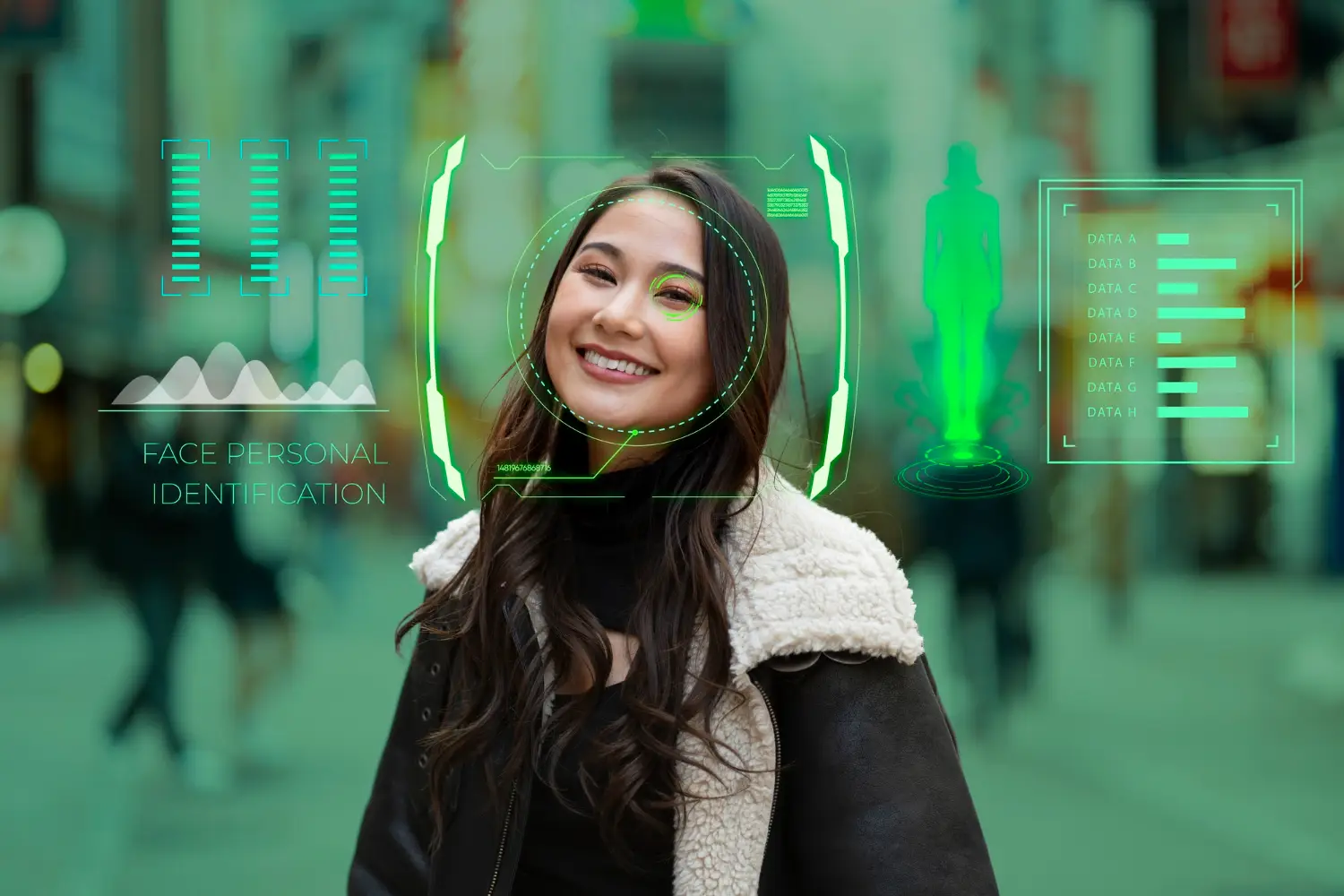
Your phone — and the online world — knows you perfectly. It knows your face, your preferences and your payment details. Anticipate what you want before you even ask for it. So why, when AI has made our digital lives fluid and intuitive, does the physical world still demand that you prove who you are? Walk into any airport, office or hospital and the world around you regresses to the 20th century, asking for tickets, badges and manual checks.
For all the advancements AI has made in our digital lives, it has remained confined behind a screen, forcing the physical world to repeatedly ask us to prove who we are. Finally, this is changing.
Also read: Mission to the Moon becomes the target of conspiracy theories in the age of AI; understand the facts
For years, we’ve been forced to tap, swipe, and scan on outdated infrastructure built for a pre-smart era. The digital world learned to recognize us a long time ago. The physical world still asks us to prove who we are. The gap between these two realities is no longer just a nuisance; it is economically inefficient and structurally outdated.
The next frontier for AI is the real world — building physical intelligence. Intelligence cannot remain confined to screens while the world continues to operate as if it were still the 20th century. If AI is to be as transformative as its trajectory suggests, it needs to go beyond content and computing and into the environments that define everyday life.
Three forces converged to make this change not just possible, but inevitable:
- AI systems are now reliable enough to operate in complex real-world conditions, not just controlled digital environments.
2. Computer vision, previously experimental, can now be applied commercially on a large scale through existing camera networks integrated into physical spaces.
3. Consumer expectations have permanently changed — we are accustomed to digital systems that recognize us, anticipate our preferences, and complete transactions in the background.
History shows that truly transformative innovations do not make existing systems more efficient; they make them obsolete.
The printing press did not make scribes faster. GPS has not improved printed maps. Each advancement has made the previous standard antiquated.
For more than a century, physical commerce and access have depended on symbols that represent identity: keys grant entry, tickets guarantee passage, cards authorize payments, badges indicate permission.
The deeper problem is not inconvenience; is that these systems were designed only to authorize access, not to create belonging.
The model is inefficient by nature and increasingly vulnerable in practice. Credentials can be lost, copied, cloned, photographed or forged.
Fraud grows because identity is mediated by objects rather than being tied directly to the individual.
When your presence validates the transaction, you completely eliminate the attack surface.
Just as subscriptions redefined access and ride-hailing services transformed mobility, the Recognition Economy reflects a broader transition from device-based interaction to presence-based infrastructure.
We are moving from repeatedly proving who we are through transferable credentials to being verified by the systems we inhabit.
The Recognition Economy not only makes payments faster or check-ins simpler, but it fundamentally changes the very concepts of “paying” and “checking in”, making them disappear seamlessly into our daily lives.
At Metropolis, we start with the vehicle because that’s where the pain points are most evident and the value is most immediate. But this vision is universal—restaurants, hotels, stadiums, offices, retail stores, healthcare facilities, and transportation hubs. Any physical environment where people move and interact.
Consider a large airport. Today, identity is re-verified at almost every step: parking, terminal entry, security inspection, boarding, lounge access, rental car pickup.
Each checkpoint exists because identity is fragmented into isolated systems. In the Recognition Economy, identity flows securely throughout the environment.
Security protocols remain rigorous, but the infrastructure no longer treats each interaction as if it were new.
Flow increases, operating pressure decreases, and the environment functions as an integrated system rather than a fragmented set of manual controls. This is the structural change that AI enables when it leaves the screen and enters the real world.
Incorporating intelligence into physical spaces inevitably raises questions about power and privacy. And you should get up.
Any technology that transforms the way identity interacts with infrastructure has consequences. But the critical question is not whether this layer will emerge, because we know it will. The most important question is whether it will emerge responsibly.
A fair exchange of value is essential. Recognition scales when value is unquestionable. We accept the friction of an airport security line because the tradeoff—our security—is significant.
We would never accept that same level of friction in exchange for a small discount on lunch. This change can only work when the value delivered to people is relevant, transparent and immediate.
The most relevant AI platforms of the next decade will not only generate content or automate processes, but will integrate intelligence into the infrastructure that organizes mobility, access and everyday life.
We know this is happening; Now we need to ask who will build it, how quickly it will spread, and whether the systems that emerge will treat recognition as a tool of convenience or as a control mechanism. The real world is the next frontier, and recognition is the key that unlocks it.
