
Brazil, South Africa and Spain defend multilateralism and global reforms

President Luiz Inacio Lula da Silva (PT), the president of South Africa, Cyril Ramaphosa, and the president of the government of Spain, Pedro Sánchez, published on Thursday (6) an opinion article in the newspapers in the newspapers in the newspapers The globe and Le Grand Continent (France).
In the text, leaders point out that 2025 will be a decisive year for multilateralism and reinforce the need for global cooperation in the face of challenges such as social inequality, climate change and financing for sustainable development.
Trump plans a US naval construction decree and prevents china dominance
Republican and Democratic parliamentarians have warned of China’s increasing dominion over the USA and the US naval readiness
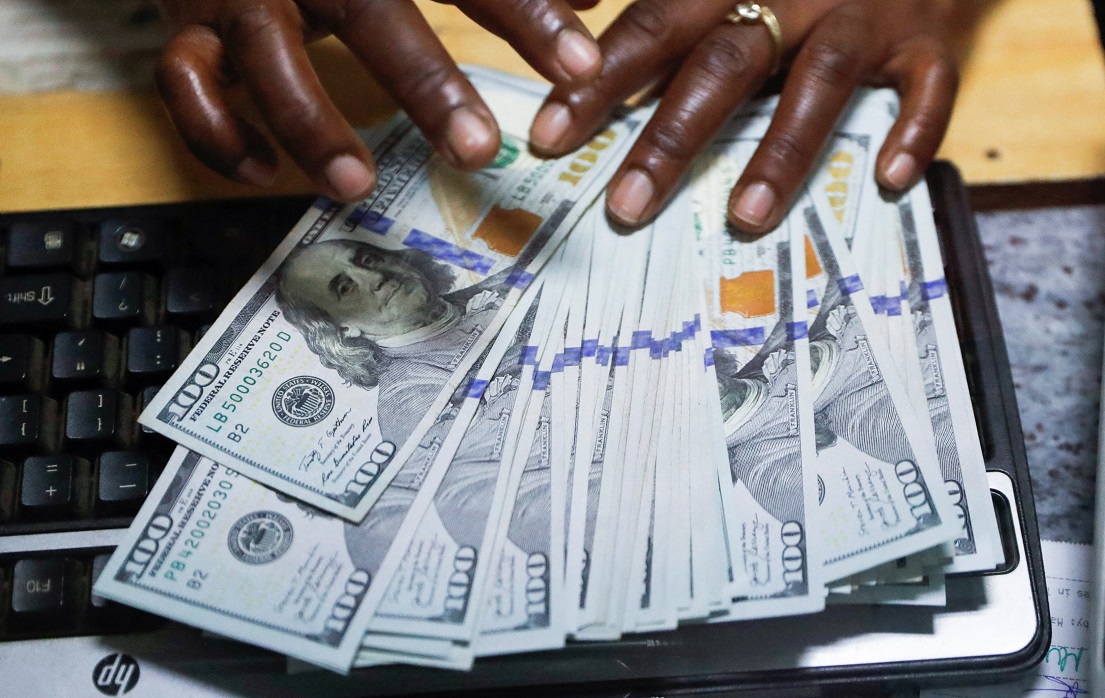
Dollar goes to $ 5.75 and has a higher daily drop in the Lula government – but with signs from the USA
Commercial dollar rose strong on Friday 1.50%, R $ 5,916 in the purchase and R $ 5,916 in sale
According to heads of state, confidence in multilateralism “is under tension”, but there has never been so much need for dialogue and international cooperation. For them, the joint action of countries remains the most effective way to face global problems and advance in areas of common interest. In the article, the leaders warn that the world is experiencing a moment of fragmentation and, therefore, it is necessary to reinforce efforts to seek consensus and ensure global governance.

Download yours
Another point addressed is the need for a “renewed financial architecture” that expands the representativeness of global southern countries. They advocate measures such as debt relief to developing countries, promoting innovative financing mechanisms, and identifying factors that raise the cost of capital in these countries. In addition, they highlight the importance of more robust international financial cooperation and the improvement of the taxation of global wealth, aiming to make the economic system more equitable and reduce inequalities between nations.
The environmental issue has also been emphasized, especially the need to ensure resources for developing countries to promote fair climate transition. The article points out that, without proper financing, many nations cannot implement effective environmental policies. In this sense, the leaders point to COP30, which will be held in Belém, as a crucial event to ensure that international climate financing commitments translate into concrete actions.
Presidents point out that three major global events in 2025 will represent unique opportunities for significant advances in global governance. The 4th International Conference on Development Financing (FFD4), which will take place in Seville, will seek to mobilize public and private capital for sustainable development. The G20 summit in Johannesburg will reinforce the importance of inclusive economic growth. COP30, in Belém, will have the fundamental role of consolidating global climate policies and boosting concrete actions for the protection of the planet.
Leaders emphasize that these meetings can not be just the same, but should result in real progress. The article reflects the commitment of Brazil, South Africa and Spain to promote more effective multilateralism, capable of facing global crises through international cooperation and structural changes in the economic and environmental scenario.