
Brazil’s international image in the environmental area faced questions, says Lula
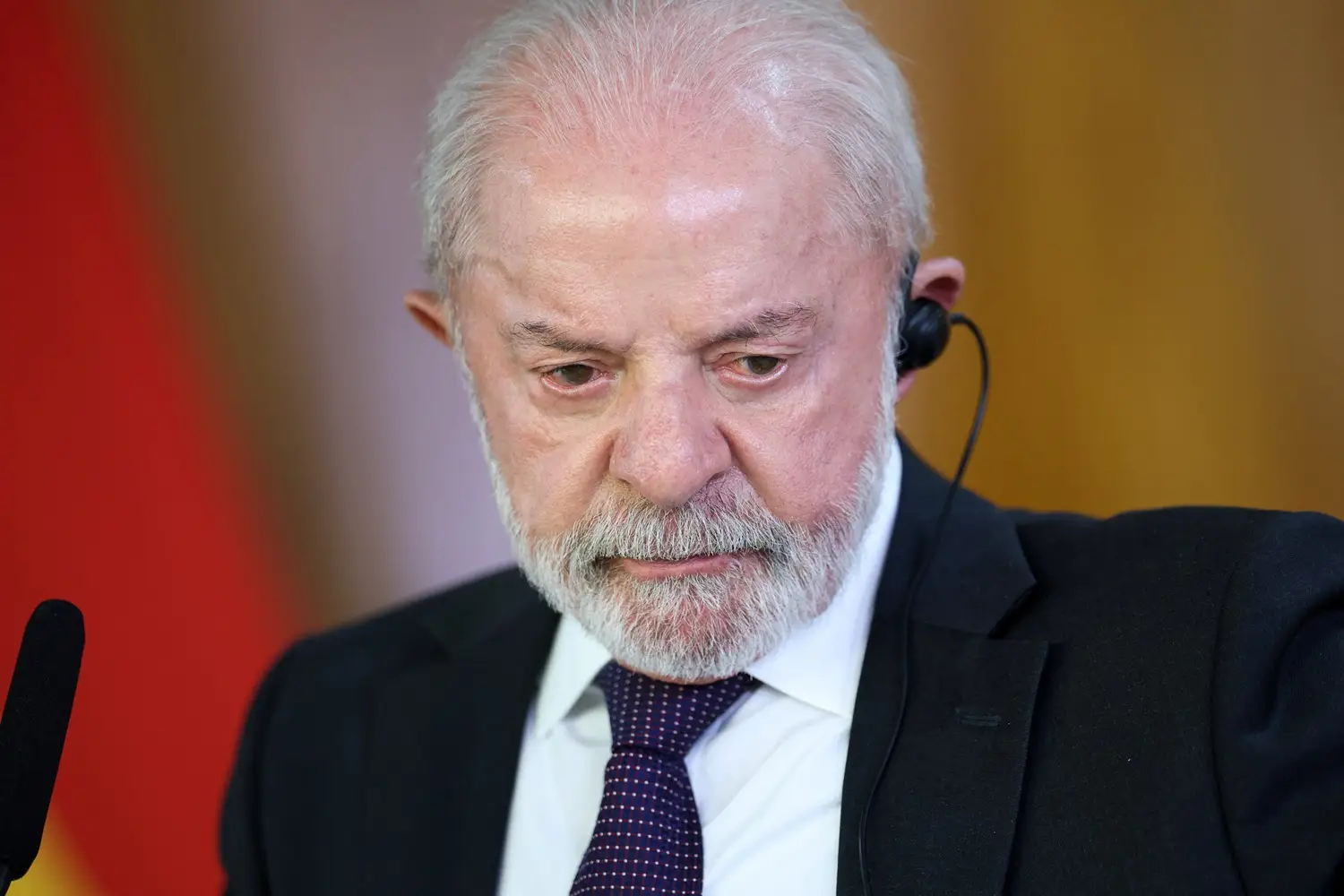
President Luiz Inácio Lula da Silva (PT) once again criticized the former government Jair Bolsonaro (PL) for its policies in the environmental area, saying that the country’s image in the environmental area was being questioned internationally. He spoke at the session of the 15th Conference of the Parties to the UN Framework Convention (COP15) on Migratory Species, held in Campo Grande (MS).
“Until recently, Brazil’s international image in the environmental area faced profound questions, directly impacting our economic and commercial relations,” said Lula. “Since 2023, we have chosen to follow a new path, guided by the conviction that conserving and producing sustainably is not only possible, but necessary. We have rebuilt the institutional framework and environmental policies that had been dismantled”, continued the president.
According to Lula, in a short time, the government achieved significant results. “Deforestation in the Amazon fell by half. In the Cerrado, the drop was more than 30%. We reduced fires in the Pantanal by more than 90%”, he mentioned. He also cited international actions: “We put Brazil back on the map of multilateral efforts for the environment. We presided over and hosted the COP30 climate change. We launched the tropical forest forever fund and the collision of carbon markets. As hosts, at the G20 and BRICS summits in 2025, we put fair and sustainable development at the center of discussions.”
Regarding the theme of the conference itself, Lula argued that the survival of migratory species depends on collective action and maintained that there will be no lasting prosperity in Latin America without protecting the region’s biodiversity.
“Climate change, water pollution, extractivism and infrastructure works without adequate planning are growing challenges. After almost five decades, it is natural that the Convention needs to be updated”, he argued.
Lula also said that the Brazilian presidency of COP15 has three priorities. “First, dialogue with the principles enshrined in the Climate and Identification and Biodiversity Conventions as common but differentiated responsibilities. Second, work to expand and mobilize financial resources, create funds and innovative multilateral mechanisms, mainly for developing countries. Third, universalize. The Pantanal Declaration, which we adopted today, proposes that more countries become effectively involved in the protection of species and migratory routes.”