
Carlos Bolsonaro records a police report against the MTST: ‘Risk to Integrity’
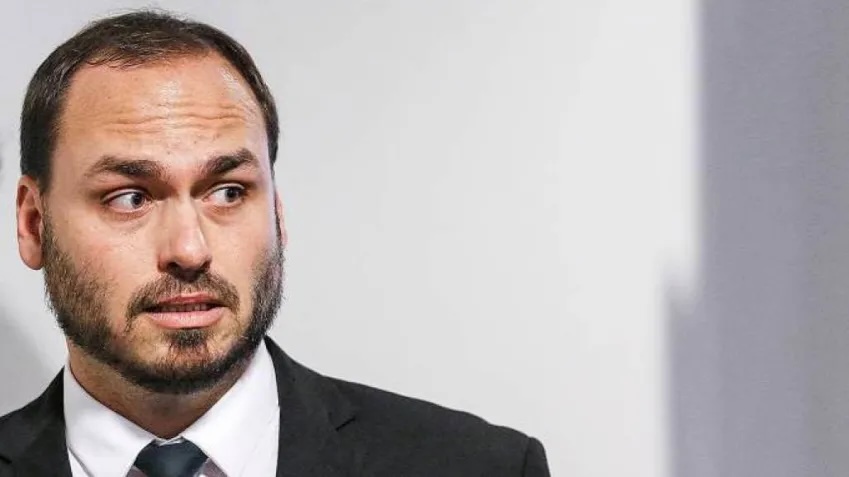
Councilman Carlos Bolsonaro (PL-RJ) used social networks on Friday, 3, to expose the police report that registered against the Homeless Workers Movement (MTST). According to the parliamentarian, members of the movement put their physical integrity at risk.
In a publication on platform X (former Twitter), the second son of the former president of the Republic, Jair Bolsonaro (PL) wrote:
“I just registered a police report on the facts in front of my residence, involving members of the MTST (Homeless Workers Movement) and their aligned, who expose possibilities for criminal derivations and risk to my physical integrity. I thank the Civil Police for the attention and readiness in care.”
Free list
10 Small Caps to Invest
The list of actions of promising sectors of the Scholarship
PGR calls for an inquiry against Bolsonaro for electoral use of the bicentennial
Opinion to the Supreme Court points out that conduct has already been tried in criminal action that resulted in conviction for attempted coup
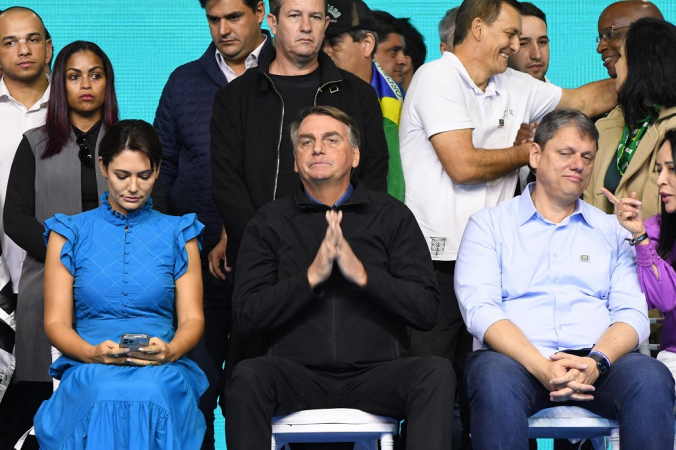
Bolsonaro would have endorsed the candidacy of Tarcisio with Michelle de Vice, says Jornal
Former president imposed conditions to support governor of SP in 2026; internal resistance in the PL and reluctance of Tarcisio can lock plans
The post was also shared on Instagram, where supporters commented asking for the change of the councilman to the south of the country. “Come to Santa Catarina,” wrote a netizen.
The appeal made by supporters dialogues with data from the Royal Time Big Data Institute survey, released in September this year. The survey pointed out that Carlos Bolsonaro leads the voting intentions for the Senate by Santa Catarina, with 45%. In second place appears federal deputy Caroline de Toni (PL-SC), with 33%.
The survey commissioned by Record shows Esperidião Amin (PP) with 21%, followed by Décio Lima (PT), with 19%, and Adriano Silva (New) with 17%. Carlos Chiodini (MDB) and Paulo Alceu (without party) have 7% each. White and null votes add up to 7%, and 4% did not know or did not opine.
The survey listened to 1,200 people by telephone on September 2 and 3. The margin of error is 3 percentage points, with 95% confidence.