
Defended by Lula, tax exemption for PLR would cost R$10 billion in 2026
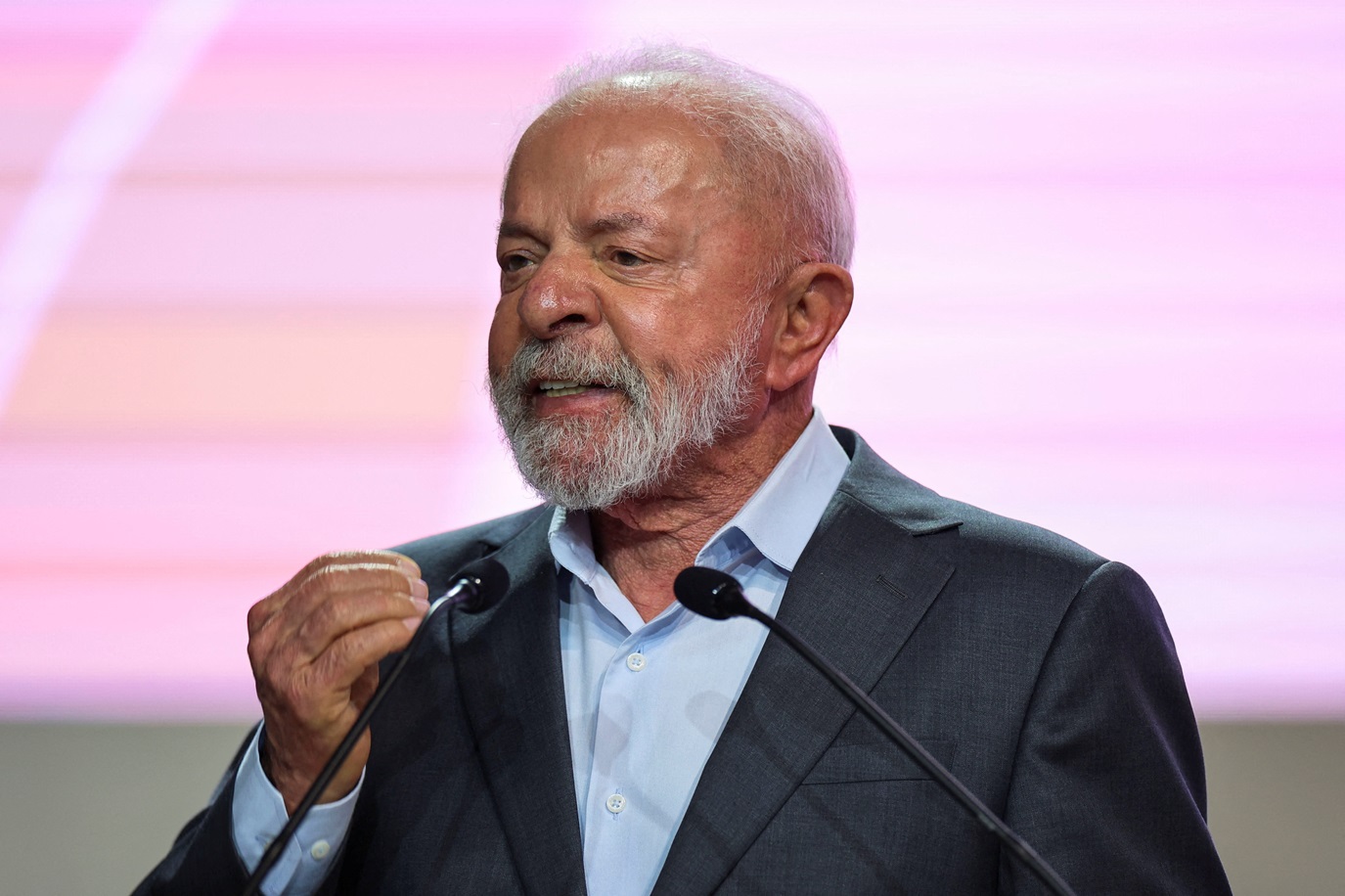
The expansion of the Income Tax exemption range for salaries up to R$5,000 paved the way for new pressure from the government: to also exempt profit sharing (PLR).
President Luiz Inácio Lula da Silva (PT) has publicly defended that workers receive the same tax treatment as partners and shareholders, who currently do not pay income tax on profits and dividends. The change, however, faces resistance because it directly affects revenue. Treasury calculations estimate a loss of R$10 billion in 2026 and R$11 billion in 2027.
The debate revolves around PL 581/2019, presented in the Senate by Álvaro Dias and approved by the House in December 2022. The text reached the Chamber at the beginning of the new government, but has made little progress since then.
Lula will address the nation on TV on Sunday, says EBC
Earlier, the newspaper Folha de S.Paulo had stated that the president would make the statement to publicize the sanction of the law that expands the IR exemption range

Eduardo on supporting Tarcísio: ‘If it’s Macaco Tião against Lula, I prefer Macaco Tião’
Federal deputy admitted that he does not rule out the possibility of supporting the governor of São Paulo as a candidate for President of the Republic in 2026
The House Working Committee gave the green light for the proposal to move forward at the end of 2023, and the PL was forwarded to the Finance and Taxation Committee (CFT), responsible for evaluating the fiscal impact. Since its arrival, however, the matter has remained unvoted.
In September, the collegiate rapporteur, deputy Laura Carneiro (PSD-RJ), presented a favorable opinion to the proposal. She argued that the PLR is compensatory in nature and, therefore, should be treated like dividends distributed to shareholders. The opinion, however, did not indicate compensatory measures.
A few weeks later, the Chamber’s Budget Consultancy pointed out that the text is inadequate from a fiscal point of view, halting progress again.
What is taxation like today?
The PLR has an exclusive table, separate from the IR on salaries. Charging begins when the annual value exceeds R$7,407.11. From then on, the tax is applied progressively:
Up to R$7,407.12 — exempt
From R$7,407.12 to R$9,922.28 — rate of 7.5% and deduction of R$555.53
From R$9,922.29 to R$13,167 — rate of 15% and deduction of R$1,299.70
From R$13,168.01 to R$16,380.38 — rate of 22.5% and deduction of R$2,287.23
Above R$16,380.38 — rate of 27.5% and deduction of R$3,051.53
The deductible portion reduces the tax withheld, but the charge remains significant for those who receive a higher PLR. It is precisely this taxation that Lula is trying to overturn, while the Chamber discusses how to offset the impact on public accounts.
