
How Japan’s leader wants to stimulate the economy with bold change
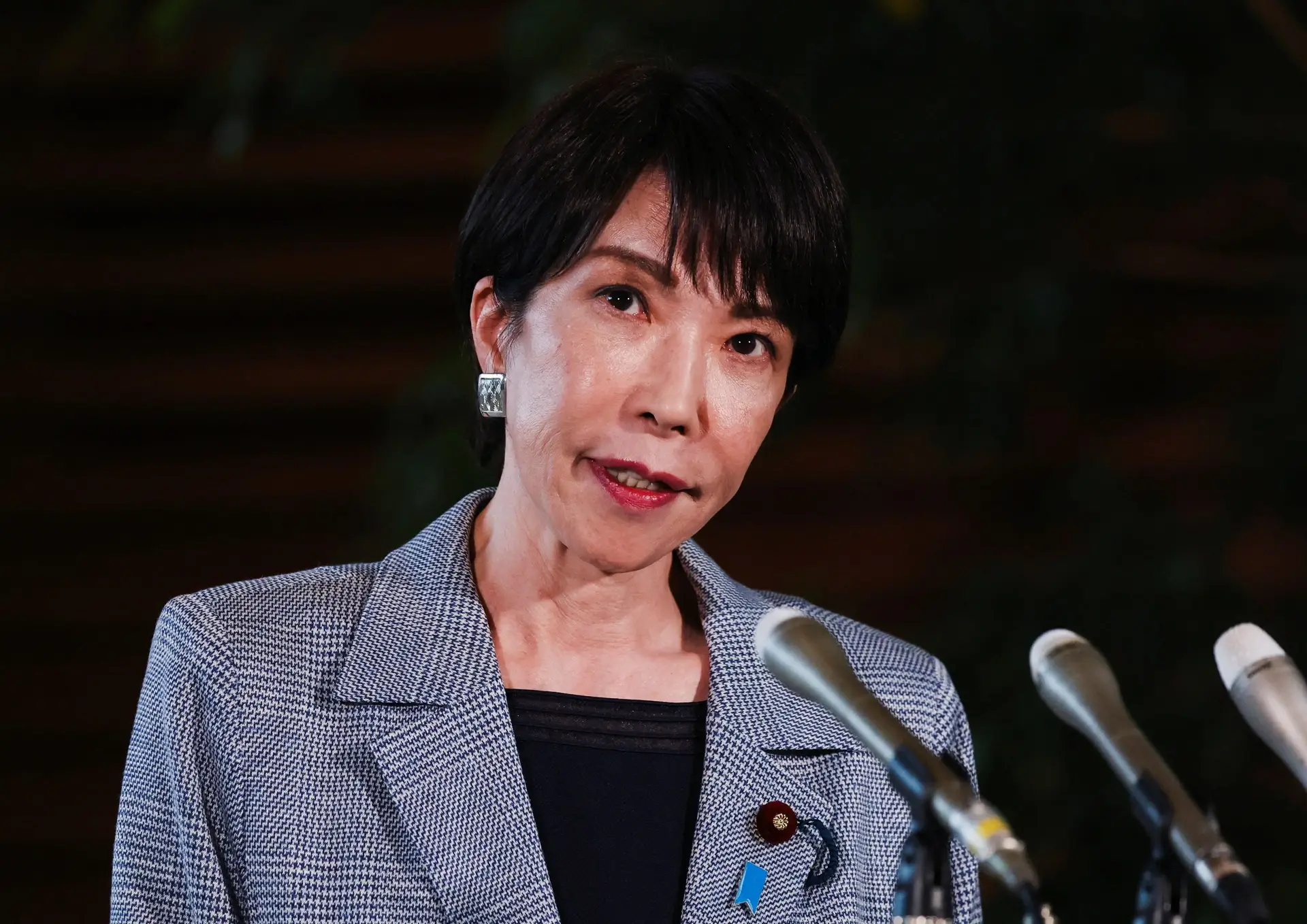
Tokyo — In her first 110 days as prime minister, Sanae Takaichi has already begun to redesign the Japanese economy. She introduced aggressive public spending programs aimed at stimulating growth, but which also raised concerns about the country’s alarming debt levels.
An advocate of fiscal stimulus to break a long-running deflationary cycle, Takaichi approved a record supplementary budget last year. It also accelerated plans to increase military spending and make major state investments in artificial intelligence and semiconductor manufacturing.
Also read: Sanae Takaichi’s victory in Japan poses a strategic challenge to Xi Jinping
An early election held on Sunday (8) functioned, in part, as a referendum on public approval of Takaichi’s economic agenda. Her party’s decisive victory sent the message that voters are willing to embrace what she called a “proactive change in fiscal policy.”
A central question on the eve of the election was whether Takaichi’s expansionist policies had strained the country’s public finances too much.
Last month, it signaled that it would move forward with discussions on suspending certain consumption taxes — a move that Japan’s Ministry of Finance estimates could cost more than $30 billion a year.
The proposal sent benchmark government bond yields soaring as investors questioned Takaichi’s ability to finance the strategy.
An important boost for the government is the Japanese stock market, which has ignored the volatility seen in the bond market.
Japan’s main benchmark indexes, including the Nikkei 225, have been posting all-time highs under the Takaichi administration, buoyed by a weakening yen and robust corporate profits.
In recent years, the prolonged cycle of deflationary stagnation that has afflicted the Japanese economy has begun to reverse, but households have struggled to meet the rising costs of basic items such as energy and fresh food.
In a positive move for Takaichi, the inflation that eroded the popularity of several of his predecessors finally shows signs of easing. Economists expect February consumer prices to possibly decline by around 1% year-on-year, for the first time in nearly four years.
This relief should allow wage growth to finally outpace price increases, strengthening Japanese household finances this year.
“Japan’s chronic deflation may finally be running out of steam as wages grow in tandem with a healthy dose of inflation,” Bruce Kirk, chief Japan equity strategist at Goldman Sachs Research, wrote in a recent note. “We have a virtuous cycle underway.”
Despite domestic optimism, a significant shadow looms: the economic impact of diplomatic tensions with Beijing.
Following a comment made by Takaichi last year about Japan’s stance on Taiwan’s defense, China halted imports of Japanese seafood, restricted group tourism and signaled limitations on exports of critical minerals vital to Japanese industry.
Relations between Tokyo and Beijing still show no signs of warming. Some economists warn that the “double whammy” of a drought in tourism and restrictions on rare earth exports could eliminate up to an entire year of projected growth in the Japanese economy.
