
In protest, Glauber Braga occupies the Presidency of the Chamber
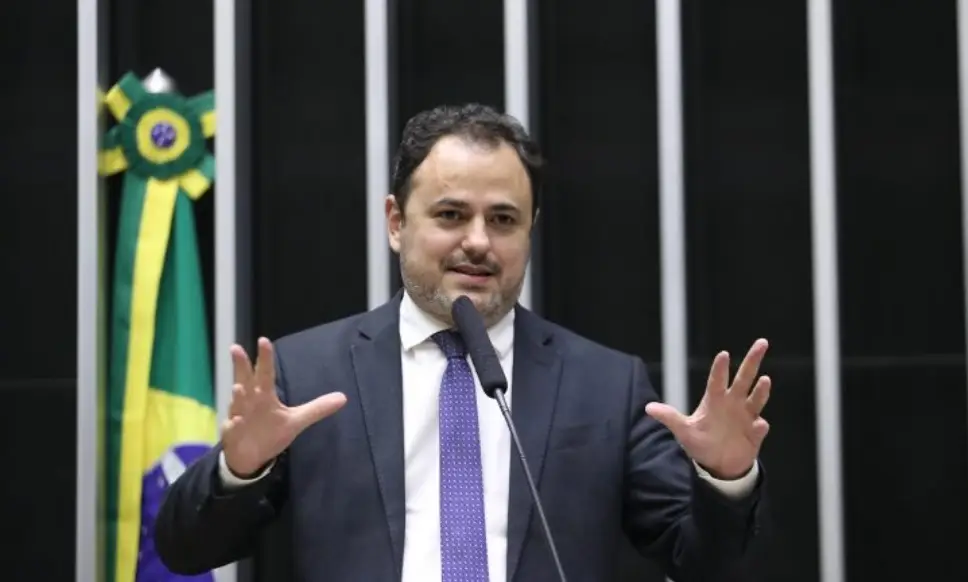
Representative Glauber Braga occupied, on the afternoon of this Tuesday (9), the chair of the Presidency of the Chamber of Deputies in protest against the decision of the President of the House, Hugo Motta (Republicanos-PB), to schedule the session that will analyze his impeachment for today. The gesture occurred shortly after Motta confirmed that the process would be taken to the plenary.
The Chamber’s institutional broadcast was immediately interrupted the moment Braga took the chair. Afterwards, journalists who were following the session were asked to leave the plenary.
Shortly afterwards, the deputy was forcibly removed from the table by the legislative police.
Motta takes Ramagem’s impeachment to the plenary and ignores the rite defined by the STF
President of the Chamber decides to submit loss of mandate to the plenary, despite order from the Supreme Court for administrative decision

Hugo Motta wants to vote on the Dosimetria PL this Tuesday (9) amid pressure for amnesty
President of the Chamber wants to vote on a proposal that reviews the 8/1 penalties, while senator accuses rapporteur Paulinho da Força of holding back the debate and preventing progress that could benefit Bolsonaro
Analysis of the revocation
The move occurred amid a climate of growing tension in Congress, which this week is also discussing requests for the impeachment of other parliamentarians convicted by the Federal Supreme Court, such as Alexandre Ramagem (PL-RJ) and Carla Zambelli (PL-SP).
The Board of Directors has not yet commented on what happened or said whether there will be punishment for Braga’s act.
Hunger strike
Glauber had already carried out another act of pressure this year, when he went on hunger strike and began sleeping in the plenary after the Ethics Council approved an opinion to revoke his mandate for attacking an MBL activist. At that time, the deputy argued that the punishment was disproportionate and asked for the process to be annulled.
The movement lasted more than a week and was ended after negotiation with Hugo Motta, who committed to guaranteeing a 60-day interval between the CCJ’s decision and the plenary vote on the cassation, which was seen by allies as a partial victory and a way to buy time in an attempt to reverse the result.
