
Is it open? Is there a toll? Understand the situation in the Strait of Hormuz during the ceasefire
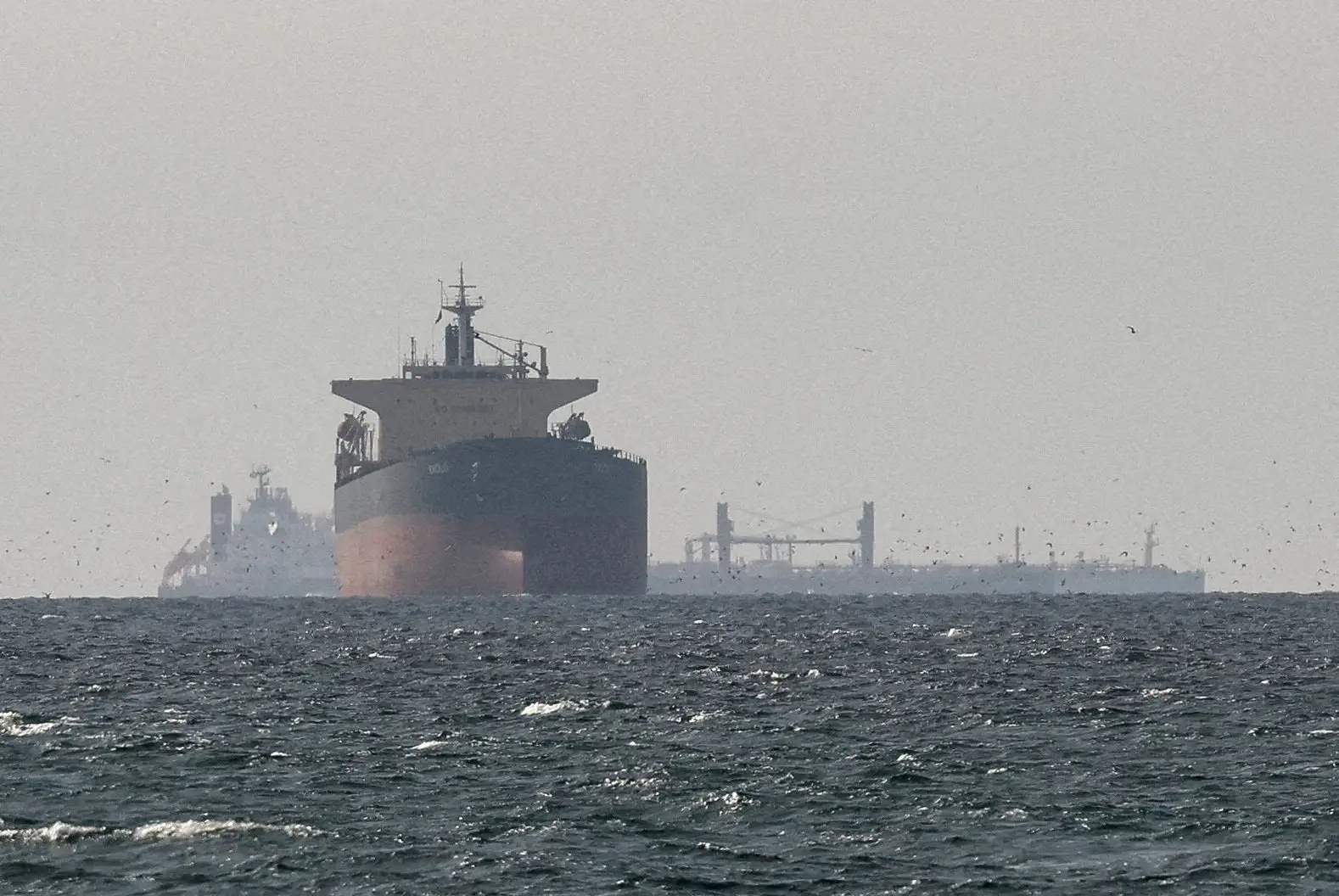
Hundreds of oil tankers are waiting to return to the Strait of Hormuz so that the waterway can once again become a corridor through which a fifth of the world’s oil and gas passes.
But the fragile ceasefire signed between the United States and Iran has not yet been enough to bring the ships back — and, even if it holds, there are still other obstacles to be overcome for maritime traffic to return to normal.
What you need to know about Israel’s attacks on Lebanon
Israel says truce with Iran does not include Lebanon. But Tehran says it includes and has threatened retaliation if the bombings do not stop.
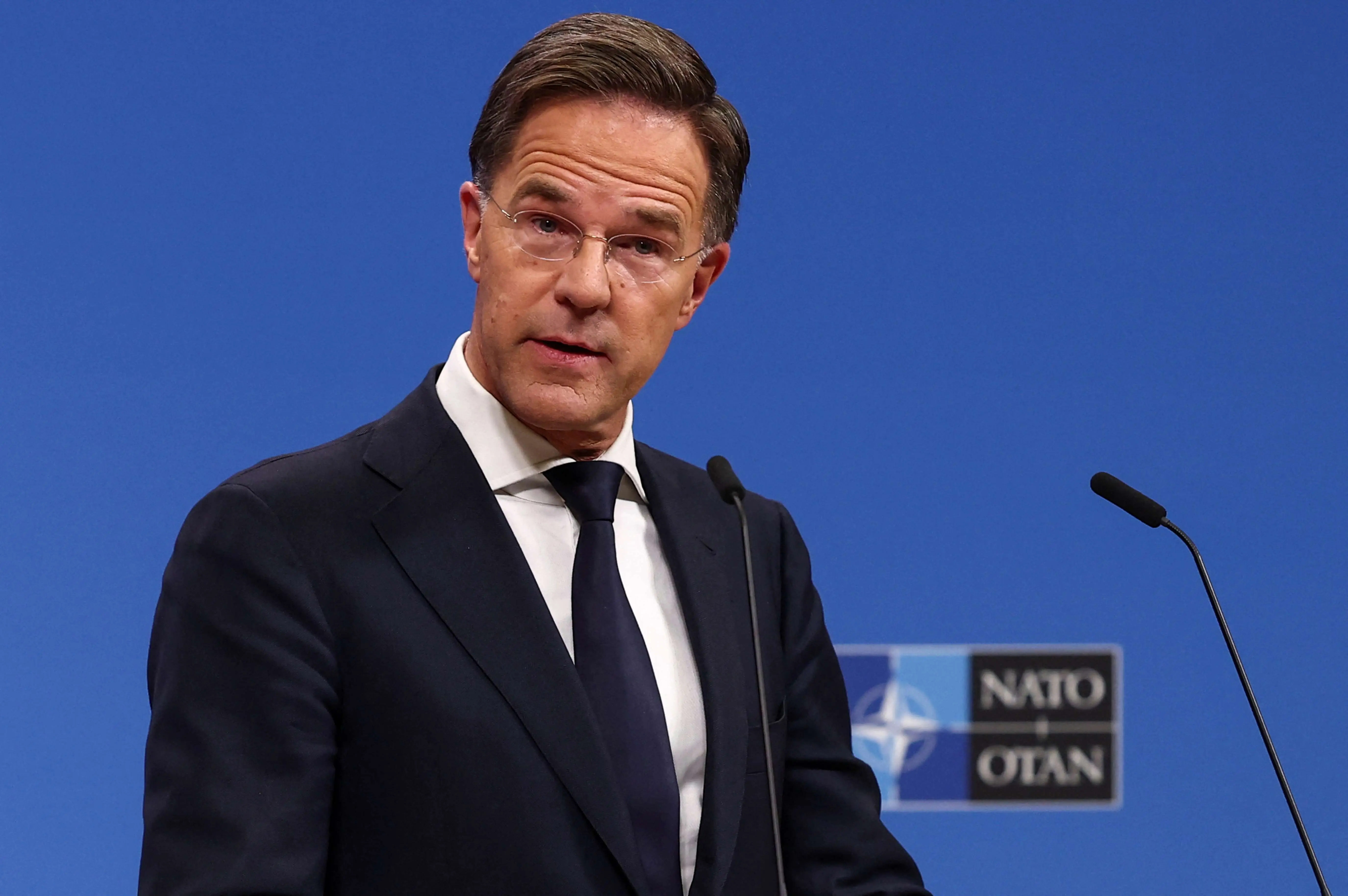
NATO leader says Trump wants commitments on Hormuz within days
Mark Rutte met with Trump in Washington on Wednesday, amid tensions within the alliance over the war in Iran
Iran maintained tight control over the strait throughout the war, laying mines and attacking vessels. As part of the ceasefire, Iran’s foreign minister said the country would allow the “safe passage” of ships through the strait, but added that vessels would have to coordinate with the Iranian military and that crossings would be subject to “technical limitations.”
What is the situation in the strait now?
Only five vessels passed through the strait on Wednesday (8), according to Kpler, a number below the average of around 10 per day in the previous five days. And shipping analysts said there were no signs of large-scale movement or queues of ships crossing the strait.
The fragility of the ceasefire — Iran said on Wednesday that Israel’s attacks on targets in Lebanon violated the agreement — is the main reason ships are pulling back, maritime industry participants said.
“It’s too unstable for anyone to commit,” said Oscar Seikaly, CEO of NSI Insurance Group, a marine insurance brokerage.
What needs to happen first for the ships to return?
First of all, say shipping analysts, there needs to be confidence that the ceasefire will be sustained. And then Iran needs to declare that it will not attack vessels.
“Iran needs to make clear that the strait is open to safe passage. Otherwise, ships cannot be expected to sail through it as they did before the war,” said Noam Raydan, senior fellow at the Washington Institute for Near East Policy.
But Iran also demands that it supervise and coordinate passages through the strait. The government has not made it clear what ship operators need to do to get permission to cross. Some shipowners made “toll” payments to Iran. And, according to Kpler, a maritime tracking company, most crossings during the war followed a route close to the Iranian coast. This suggests that Iran requires the use of this route.
Iran’s official broadcaster said on Wednesday that due to naval mines in the traffic zones, vessels must coordinate with the Iranian Navy and use designated routes to cross the waterway.
Do governments need to get involved?
The governments of India, Pakistan and Thailand have worked with Iran to ensure the safe passage of the vessels.
In a joint statement on Wednesday, the leaders of seven European countries, Canada, the European Commission and the European Council said their governments “will contribute to ensuring freedom of navigation” in the strait.
President Donald Trump suggested on Wednesday that the United States could jointly control the strait with Iran.
“The United States of America will assist with the backlog of traffic in the Strait of Hormuz,” Trump said in a social media post. “There will be a lot of positive action! A lot of money will be made.”
News reported on Wednesday that Trump told one of his reporters that the United States could operate shipping in the strait “as a joint venture” with Iran.
Will shipping return to normal if Iran does not give up full control?
Analysts say Iran could continue to act as a kind of gatekeeper if the number of vessels crossing the strait remains relatively small. But the country would not be able to manage the more than 100 ships a day that passed through the strait before the war.
“General passage arrangements are unlikely to be implemented by Iran, due to capacity limitations in vessel identification and ongoing requirements to guide ships through the corridor,” Jack Kennedy, head of political risk analysis for the Middle East and North Africa at S&P Global Market Intelligence, said in an email.
Furthermore, the threat of war will continue to loom as long as Iran maintains its stranglehold on the strait. Persian Gulf countries do not want Iran to have so much power over the waterway. Oman, the country on the other side of the strait, could invite ships to sail close to its coast, but such an initiative could lead Iran to attack the vessels.
Will shipping companies pay tolls to Iran?
As more than 100 large merchant ships have passed through the strait since the start of the war, some vessel operators are willing to negotiate with Iran and even pay millions of dollars for a crossing. Shipping companies are losing money with ships sitting idle waiting to cross the strait; therefore, they may be willing to pay large sums to release their vessels to the Indian Ocean and resume normal operations.
Still, larger, more established shipping companies may decide that doing business with Iran poses too great a legal risk, especially if the United States continues to impose sanctions on the country.
“The issue of sanctions on Iran makes everything a very complicated process, as it involves financial transactions with a sanctioned regime,” said Raydan.
In efforts to forge a lasting peace, there will be pressure on Iran to abandon any plans to demand payments for tickets.
British Defense Secretary John Healey said on Thursday that the United Kingdom and its allies want to see the strait “open, free, in accordance with the consolidated laws of international navigation, without any kind of toll for passage.”
How difficult is it to get insurance?
When the fighting began, the cost of “war risk” insurance for ships and cargo crossing the strait soared. Some shipping companies purchased this insurance, and it was available at times during the war, Seikaly said. But the fragility of the ceasefire has reduced demand for insurance.
“This is not the right time, and everyone knows that,” he said.
