
Jeff Bezos reveals his formula for running perfect meetings at work
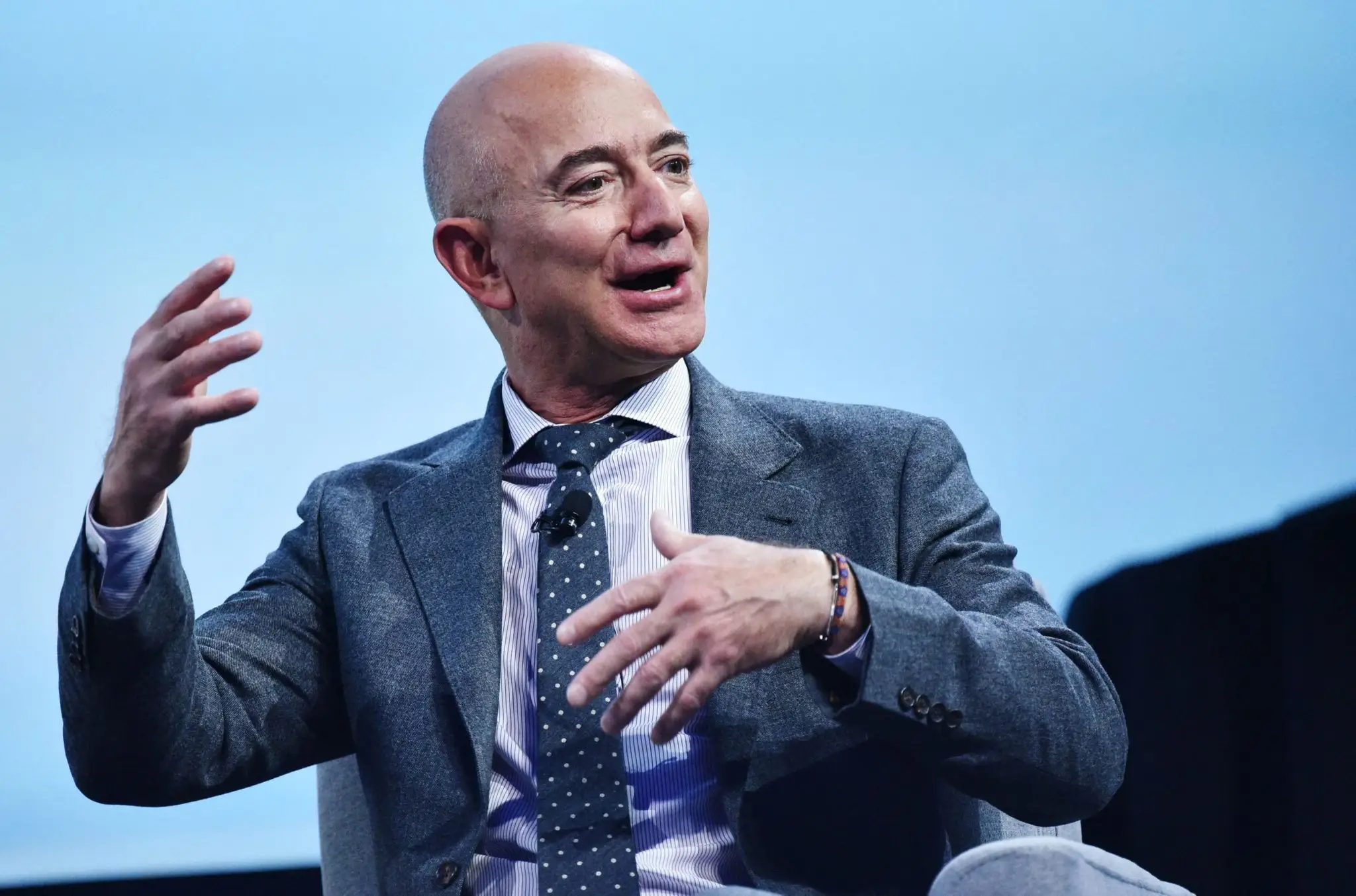
When it comes to running the “perfect meeting,” Amazon founder Jeff Bezos believes he’s discovered the formula — and now the company he built has also just reached the top of the Fortune 500. With $716.9 billion in revenue for the year, Amazon has finally unseated Walmart to become No. 1 on the Fortune 500 list for the first time, ending the retailer’s 13 consecutive years at the top.
It’s a seismic shift in American corporate history. Walmart has held the top spot in 21 of the last 24 years. But Amazon’s relentless machine, built on Bezos’ strict management philosophy—including banning PowerPoints in meetings—finally overtook her.
Also read: Amazon’s beginnings: Bezos had an office in a rented garage and held a meeting in a bookstore
Everything you need to know to protect your wallet
And Bezos, who stepped down as CEO of Amazon in 2021, continues to defend this rule.
The technology billionaire believes that preparing a clear and objective six-page document about what will be discussed is the winning formula for a productive and idea-filled meeting.
“My perfect meeting starts with a lean document… and a messy meeting,” he said on an episode of the Lex Fridman Podcast. “I don’t follow a strict schedule. My meetings often last longer than I plan, because I believe in exploring possibilities.”
New employees at Amazon and its latest space venture, Blue Origin, should expect “the weirdest meeting culture you’ve ever seen,” he added, including silently studying the long document for 30 minutes at the start of each meeting before opening it up for discussion.
Unlike PowerPoints, which, according to Bezos, are easy to make and hide “a lot of superficial thinking in bulleted topics”, this process requires much more effort from whoever leads the meeting. At the same time, participants cannot “pretend to read”.
“Now we’re all on the same page. We’ve all read the memo and we can have a really elevated discussion,” he concluded.
Get your team’s ideas unfiltered
The best ideas come from diversity of thought — but, as we have a natural impulse to please, it’s difficult to express an opinion that differs from the boss’s.
By asking a team member to draft the six-page meeting memo, you can get that person’s genuine opinion on the topic.
“The author of the memo needs to put himself out there. He needs to get all his thoughts out there and he needs to start talking,” Bezos said. “This is great because it really gets people thinking and allows you to see their real ideas — they don’t accidentally get lost in the middle of a big PowerPoint presentation.”
Another way, according to Bezos, to empower each team member to say what they really think — without being influenced by their opinion — is to let employees lead meetings.
In fact, to hear everyone’s “unfiltered” opinion, he recommends that employees speak in order of seniority, with the most junior starting, because, according to him, our minds can easily change when faced with the opinion of someone we respect.
“If I speak first, even very determined, highly intelligent, and discerning participants will think, ‘Well, if Jeff thinks that, maybe I’m wrong,’” he said. “If you are the most senior person in the room, speak last.”
What to do when data and reports don’t agree
Another way Bezos avoids unproductive meetings where employees don’t feel confident sharing their opinions is to give their ideas the benefit of the doubt, even when there isn’t yet data to support them.
“Many of our most powerful truths turn out to be hunches,” he said. “They end up being based on reports. They are based on intuition and, sometimes, you don’t even have solid data.”
Instead of dismissing a person’s judgment due to lack of evidence, Bezos recommends digging deeper into that intuition — especially if what you’re hearing also makes sense to you.
“We’re going to try to figure out if we can actually know if this is right,” he said, adding that ultimately, even if the data doesn’t confirm the employee’s hunch, he’s still likely right.
“When the data and the reports don’t agree, the reports are often right,” concluded Bezos. “And that doesn’t mean you just blindly follow the reports. It means you have to look at the data. Typically, the problem is that you’re not measuring the right thing.”