
Lula and Trump envoys discuss US trade investigation that includes Pix
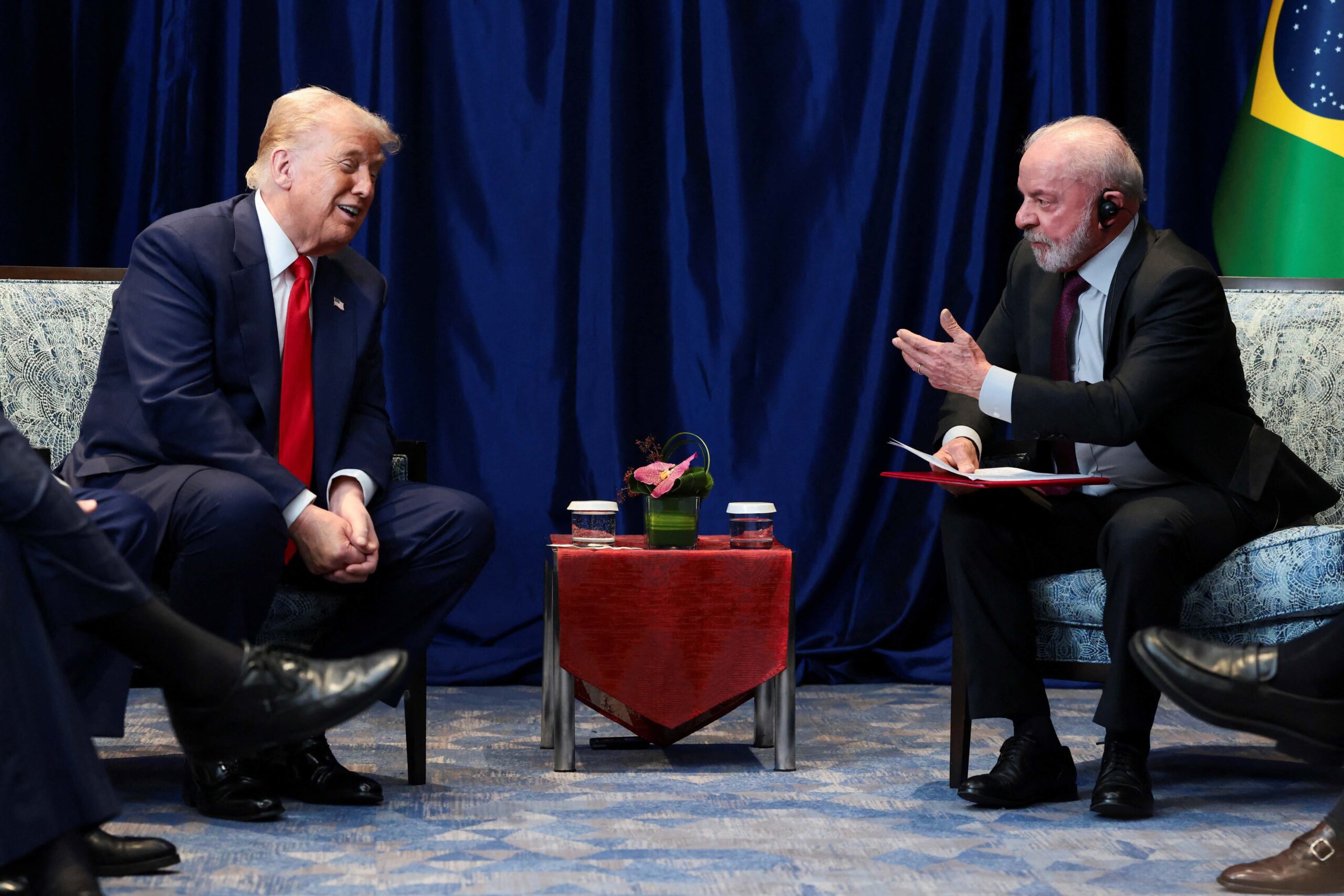
Representatives of the Luiz Inácio Lula da Silva government and the Donald Trump administration met this week in Washington, in another round of meetings about the trade investigation opened by the United States against Brazil.
The conversations took place over two days — Wednesday and Thursday — and were technical in nature. According to reports, the Brazilian delegation presented clarifications on points of the investigation that are already public and that had been previously discussed, including at a hearing held in the American capital last year.
Government members claim that there was no expectation of announcements or decisions at the end of the meetings.
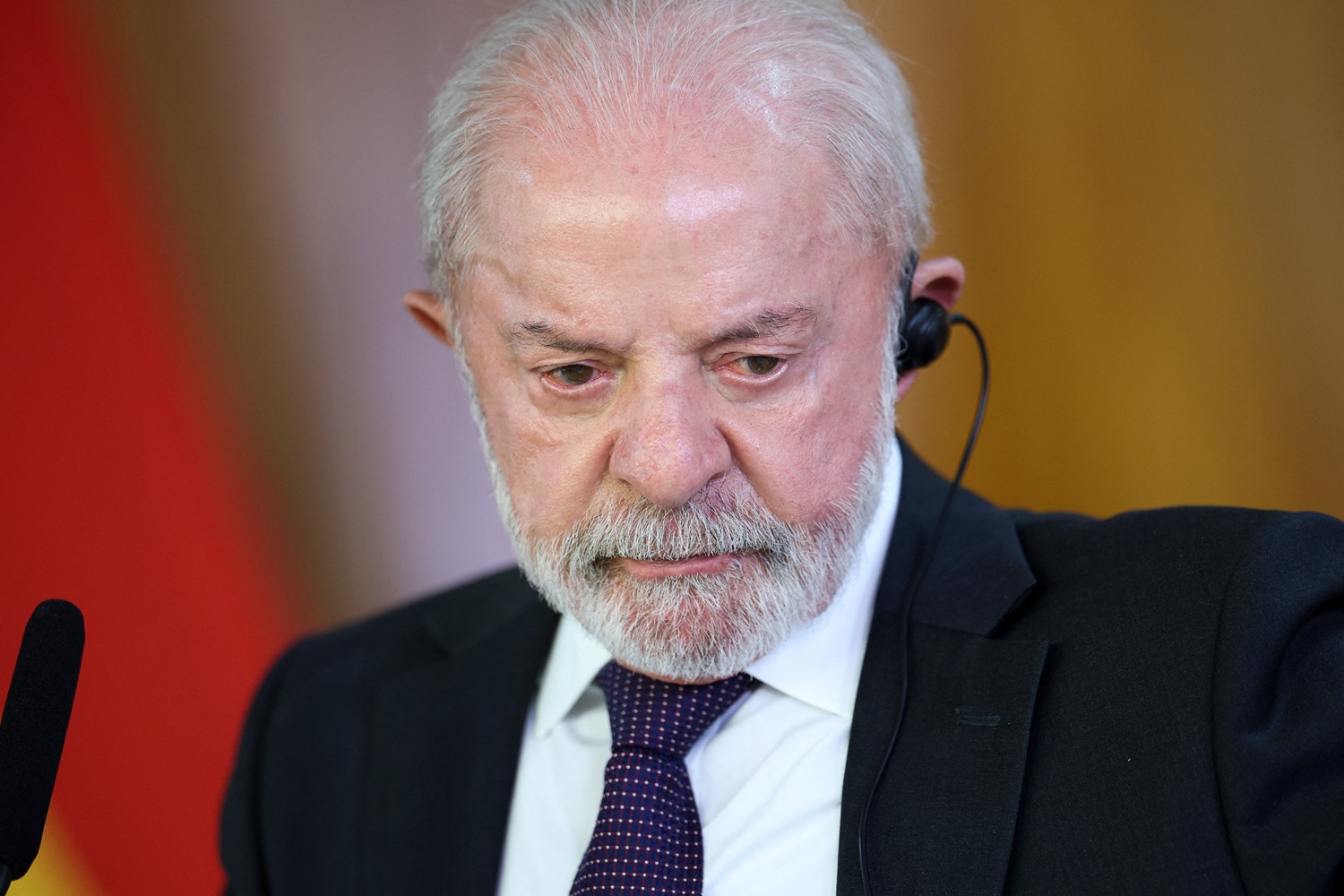
Lula on Flávio’s eventual victory: “we have to accept the result”
The president, however, stated that he will win in the October elections because “there is no place for fascists and people who do not believe in democracy”
The investigation was opened based on Section 301 of the Trade Act of 1974, an instrument used by the United States to investigate practices considered unfair by commercial partners. Among the points questioned are Brazilian policies linked to the Pix payment system and the ethanol sector.
The case began last year, when the American government announced the investigation on the grounds that Brazil adopted measures that would make it difficult for US exporters to access the Brazilian market. Section 301 is an administrative procedure conducted by the United States itself and does not follow the same dispute procedure as the World Trade Organization.
President Luiz Inácio Lula da Silva has publicly stated that Brazil will not accept external pressure to change policies such as the PIX, developed by the Central Bank.
This Thursday, acting president Geraldo Alckmin spoke about Section 301 and stated that the Brazilian government has been providing all the necessary information.
— The Brazilian government is providing all the information, all the clarifications. We are confident that it can be resolved — said Alckmin.
The United States is Brazil’s second largest trading partner, behind only China, and maintains a surplus in the bilateral relationship — that is, it exports more to the Brazilian market than it imports. In this context, the Brazilian government has defended the search for consensus, although Congress has recently approved the so-called Economic Reciprocity Law, which opens space for possible response measures, if necessary.