
Security becomes a decisive field in the election; see proposals from pre-candidates
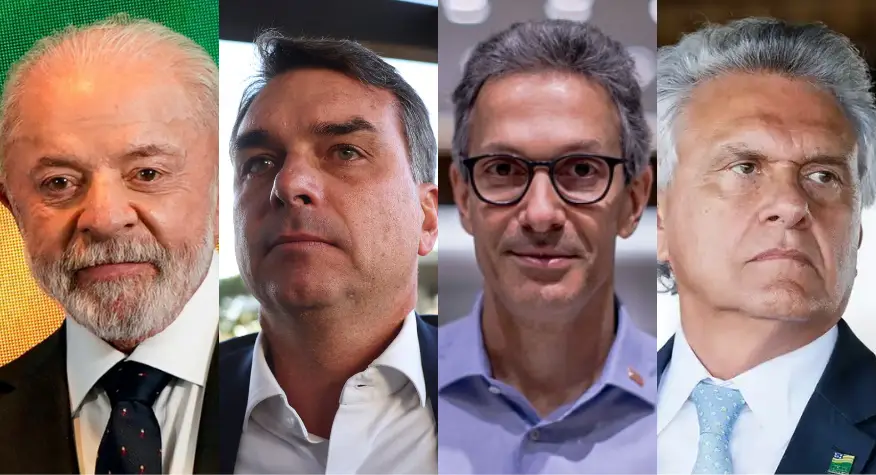
With the electoral cycle approaching and growing concern among Brazilians, public security has consolidated itself as one of the main themes of the 2026 dispute.
The rise of violence to the top of the electorate’s concerns changed campaign strategy and forced candidates to present more concrete proposals to combat organized crime.
The change of scenario appears in recent research. A Genial/Quaest survey released in April showed security as the country’s main problem for Brazilians, increasing pressure on the Lula government and favoring candidacies that traditionally occupy this space in the political debate.
The issue was no longer treated solely as a responsibility of the states and voters began to demand federal actions as well, especially in areas such as criminal factions, international trafficking, the prison system and police intelligence.
In this scenario, Lula is trying to reduce the PT’s historical weakness, while opposition figures are exploring speeches about tougher penalties and strengthening the security forces. See below the main proposals from the pre-candidates*.
Risk Map: Bolsonaro family’s influence over Trump cools after Lula’s visit
The rapprochement between Lula and the American president reduces the international protagonism of Bolsonarism
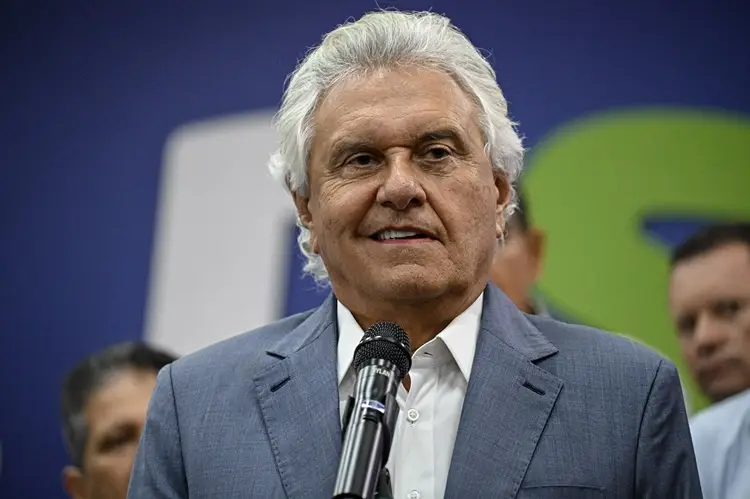
Unlike Zema, Caiado avoids criticizing Flávio Bolsonaro in an interview
Former governor of Goiás avoided criticizing or making in-depth comments about the senator’s involvement with Daniel Vorcaro
Luiz Inácio Lula da Silva (PT)
The Lula government decided to transform public security into one of the showcases in the last year before the election. This week, the president launched the “Brazil Against Organized Crime” program, with a forecast of R$11 billion in investments.
The plan was structured around four axes: financial suffocation of the factions, strengthening the prison system, increasing the homicide resolution rate and combating arms trafficking.
The government is also trying to expand the Union’s role in the sector through the Public Security PEC, which is stalled in the Senate. The proposal provides for greater integration between states and the federal government, in addition to the constitutionalization of the Unified Public Security System (Susp).
This week, Lula stated that he will only create a Ministry of Public Security after the approval of the PEC.
Behind the scenes, PT members recognize that the government took a long time to react to the issue. The assessment is that the left has lost space in public security in recent years and needs to rebuild credibility in the area.
Therefore, Planalto began to explore operations against the financing of organized crime and the Anti-Faction Law, approved this year, as a demonstration of toughness against factions.
The topic also entered the president’s international agenda. After meeting with Donald Trump, Lula stated that he had asked for help from the United States to extradite Brazilian criminals living in Miami.
Analysts estimate that the rapprochement with Trump helped to neutralize part of the opposition’s discourse on security and organized crime.
Flávio Bolsonaro (PL)
PL pre-candidate, senator Flávio Bolsonaro intends to focus his security platform on tightening criminal legislation. In recent demonstrations, the senator has already defended the reduction of the age of criminal responsibility, restriction of benefits for those convicted of serious crimes, expansion of the prison system and reinforcement of security forces.
Another axis of the proposal involves national integration of databases, police intelligence and monitoring of borders, ports and airports.
The senator’s team also talks about combining repression with prevention policies aimed at young people vulnerable to recruitment into organized crime.
In Congress, Flávio presented at least 36 projects linked to public security, according to a survey by the G1. A relevant part of the proposals involves increasing penalties, making access to weapons more flexible and creating new types of penalties.
The PL’s strategy is to exploit the perception that the Lula government has not yet managed to present consistent results in the area.
Ronaldo Caiado (PSD)
The former governor of Goiás Ronaldo Caiado (PSD) intends to use the state’s security indicators as his main electoral asset. The campaign works with data on the reduction of homicides and robberies during its management to support the discourse that the model can be replicated nationally.
Allies of the pre-candidate claim that the idea is to present concrete management experience, avoiding generic proposals. The strategy has already been put into practice and the defense of the state results is constant in the former governor’s interviews.
Caiado defends a line of action based on strengthening the police, greater rigidity in the fight against crime and expanding the State’s presence in areas dominated by factions.
At the same time, the former governor remains critical of the Public Security PEC. During the processing of the proposal, he stated that there was a risk of excessive interference by the Union in state responsibilities.
At the end of last year, Caiado participated in the creation of the so-called “Peace Consortium”, a joint effort between states focused on integrating intelligence and police operations.
Romeu Zema (New)
Former governor of Minas Gerais Romeu Zema (Novo) also structured his pre-campaign around proposals for tougher penalties.
Among the measures advocated is the classification of criminal factions as terrorist organizations. The proposal would open space for greater international cooperation and expanded use of the Armed Forces in the fight against organized crime.
The topic faces resistance within the federal government and in Congress due to possible impacts on national sovereignty and diplomatic relations.
Zema’s plan also provides for mandatory preventive detention for repeat offenders caught for the third time, restrictions on custody hearings and a review of the current sentence progression model.
Another proposal is to reduce the age of criminal responsibility for serious crimes and recidivism. The pre-candidate also wants to replace the current system of closed, semi-open and open regimes with a hybrid model, combining restriction of freedom and subsequent monitoring.
* The article considered pre-candidates who achieved up to 4 percentage points of voting intention in the first round according to the most recent electoral survey, released by Quaest, this Wednesday (13).