
STF ministers were taken by surprise by Bolsonaro’s house arrest
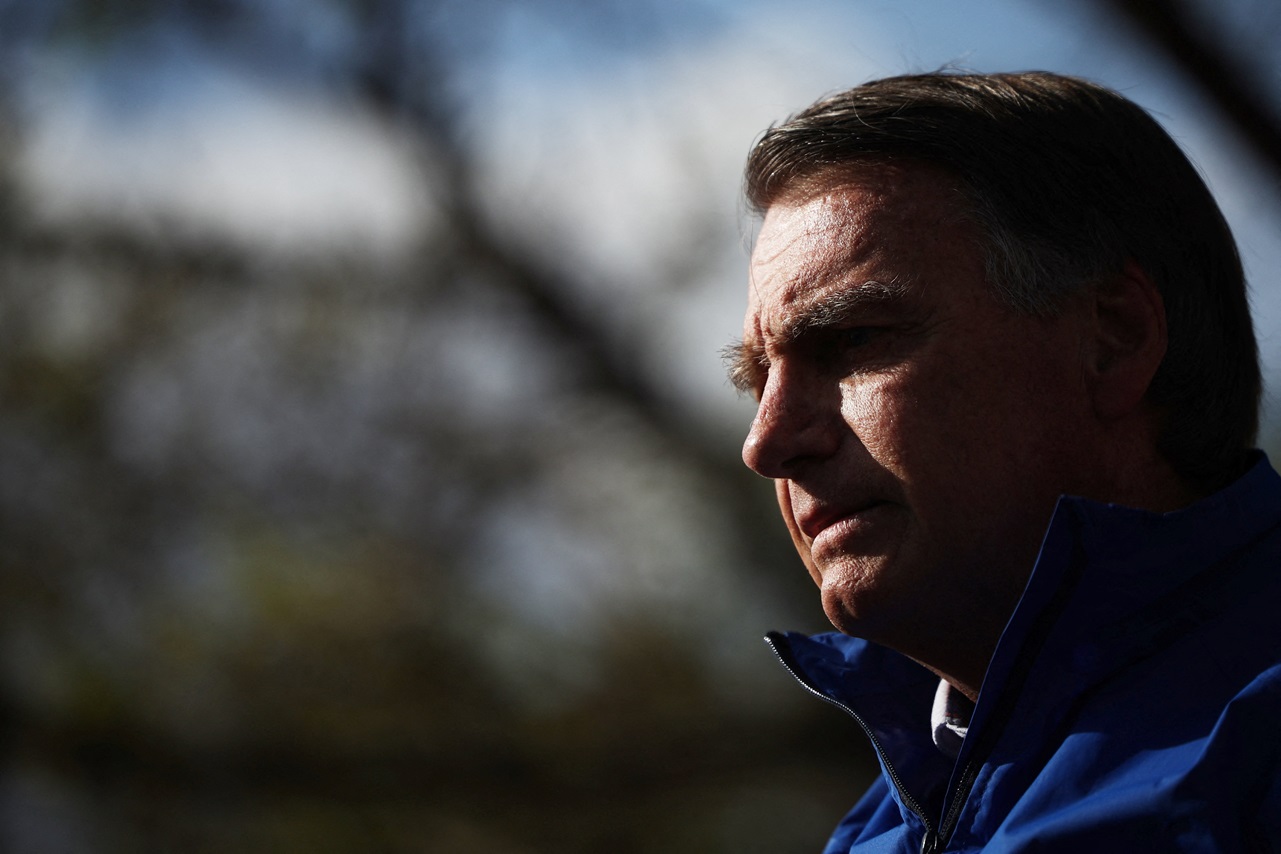
The Federal Supreme Court (STF) was caught by surprise by the decision of Minister Alexandre de Moraes on Monday night to place former President Jair Bolsonaro in house arrest, two Supreme sources told the STF sources to Reuters. The sources stressed the minister’s readiness to act on their own, even in the midst of public division and increased tensions with the White House.
The order was issued precisely when the country prepares for the entry into force of 50% tariffs on Brazilian products in the US, from Thursday.
The rates were formalized by President Donald Trump last week, in a reaction to what he called Moraes’s “witch hunt” against Bolsonaro, who is being tried on charges of plotting a coup to reverse his electoral defeat by 2022.
Free tool
XP Simulator
Learn in 1 minute how much your money can yield
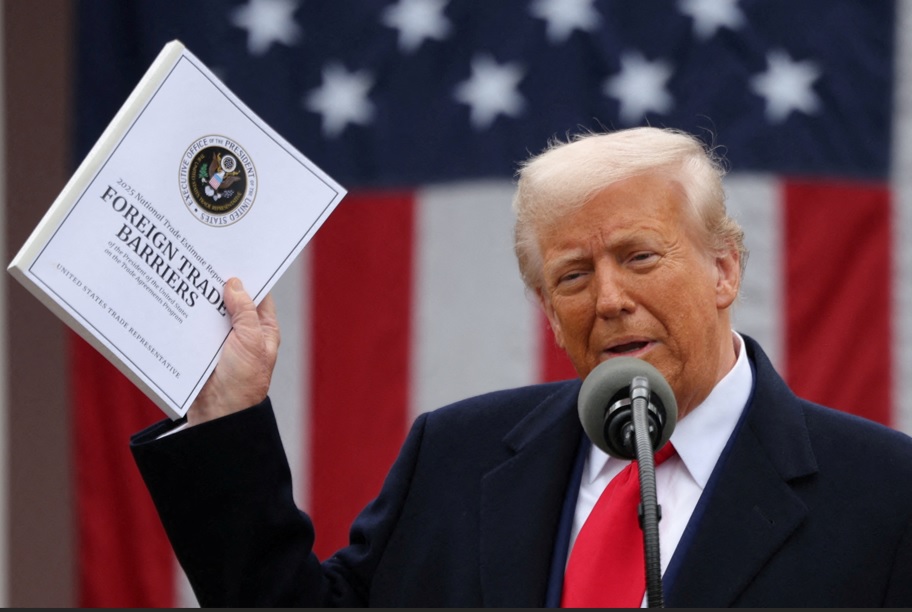
Negotiation with USA gets more complicated after Bolsonaro’s house arrest, says FGV
Specialist Leonardo Paz Neves states that agreements in progress and unpredictability put exports on unstable ground, scenario aggravated by Bolsonaro’s house arrest
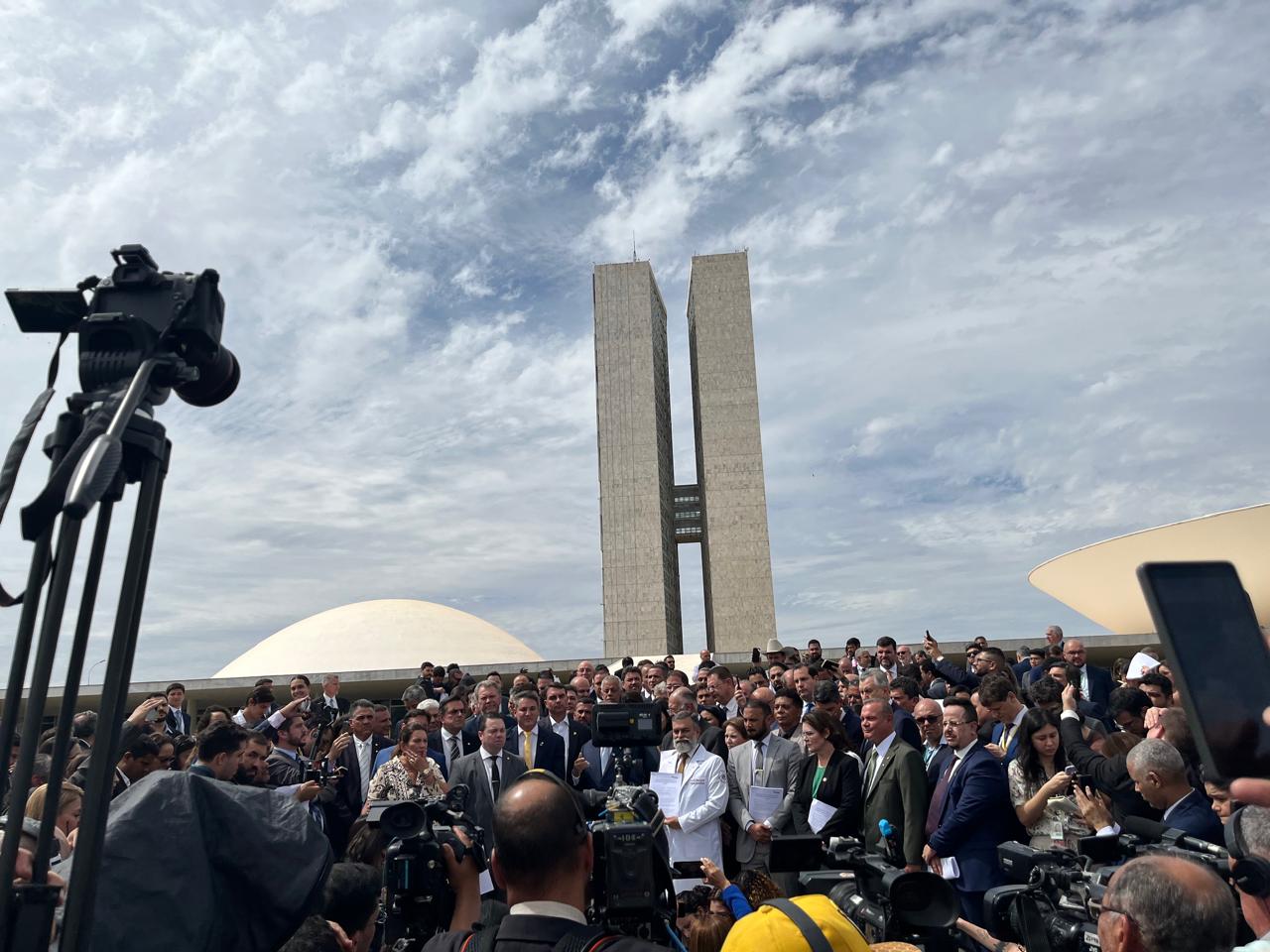
Bolsonaro’s allies in Congress say they will occupy plenary in protest
In a statement in front of the congress, they defended amnesty project, end of the privileged forum and the impeachment of Alexandre de Moraes
Moraes’s decision generated concern within the Lula administration that Trump could retaliate, further damaging the Brazilian economy, two sources near the intimate circle of President Luiz Inacio Lula da Silva told Reuters.
Despite the concerns, the Brazilian authorities do not plan to oppose Moraes. Court sources told Reuters That the STF ministers support Moraes, while Lula’s allies said that the president has neither the will nor the ability to influence the Supreme Court.
“It doesn’t change a comma of our performance here,” he told Reuters A STF minister, who called for anonymity to speak frankly.
The current plan of the Lula administration, added the sources, is to elaborate policies to support the sectors impaired by tariffs and keep diplomatic channels open to seek better access to the US market where possible.
Still, Fábio Medina Osório, former lawyer-general of the Union, said the order was disproportionate and can make Brazilian negotiations difficult.
“This decision can certainly make it difficult, but it will depend on the government’s posture, which does not necessarily have to be the trailer of the judiciary,” he said.
A polarized country
The Moraes Order for Bolsonaro’s house arrest came weeks before the Supreme Court judged the accusations that Bolsonaro and his allies plotted to overthrow democracy.
Although Moraes was praised for defending Brazil’s judicial independence, he was also accused of abuse of power.
The decision generated mixed reactions, according to Quaest -based research on social networks, with 53% favorable and 47% contrary to prison.
Newspapers that published blunt editorials about the Bolsonaro and Trump alliance also questioned Moraes’s decisions.
“Moraes was wrong to determine the prison of the former president for communicating with supporters in a rally organized on the right,” said an editorial from the Folha de S. Paulo. “Brazil must recognize that Jair Bolsonaro has a wide freedom to defend himself in court and express himself wherever he wants, including social networks.”
Former STF ministers also expressed divergent opinions about the decision.
“Alexandre de Moraes, in his decision, preserves both the country’s sovereignty and independence and the autonomy of the Brazilian judiciary,” said Carlos Ayres Britto, who left the Supreme in 2012.
On the other hand, former Minister Marco Aurélio Mello disagreed: “If the rapporteur, my optics would be different, in the face of the constitutional principle of non-culpability,” he said.
