“There are no words to describe so much pain”: Urda, the town that mobilized to help the victims after the train accident in Spain
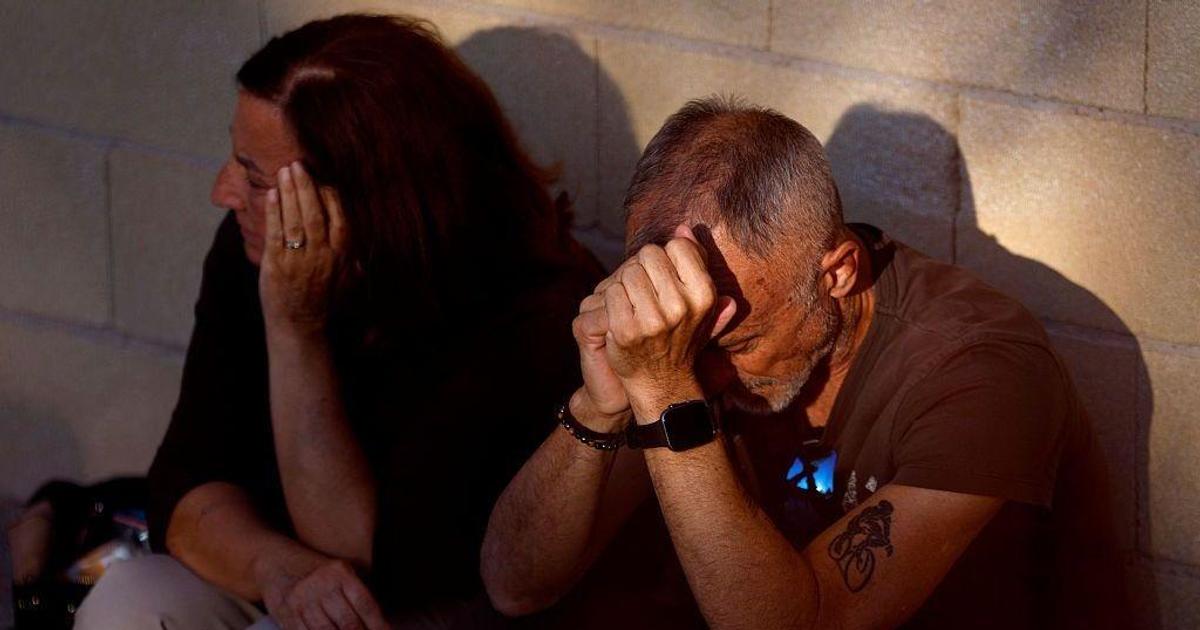
Urda is one of those places where I have gone many times to tell their stories. I never thought I would come back to tell a tragedy like this.
Sirens, ambulances, firefighters and people walking with lost eyes. That’s what I found on Wednesday when I arrived in this small town in the province of Toledo, in Castilla La Mancha, south of Madrid.
I am from La Mancha, and for many years I worked in regional public television. This is how I visited this town so many times, especially at the end of September for the pilgrimage of Christ of Urda, a festival attended by thousands of people from the region.
When I arrived, it was difficult for me to recognize the place.
The noise, the racing, medical equipment, cars coming and going, media colleagues, the frenetic activity. And, in the middle of it all, people trying to help those who had just gotten off the trains.
The image before me was nothing like that town I know.
And it is one thing to experience it as a journalist and another as a countrywoman.
A town dedicated to helping
The journalist’s adrenaline pushes you to continue, but the scene was dantesque.
When I arrived at the accident area, about 8 km from the town, I saw the destroyed wagons on both sides of the embankment and how the last injured people who could walk were heading towards the buses enabled to transport them.
On the other side, a line of ambulances loaded the most seriously ill.
The head works almost on autopilot, but there are scenes that stay with you.
And while the press is still trying to reconstruct what happened, in Urda there are neighbors who have been doing everything possible to help for hours.
Some transported injured people in their own vehicles, others brought water and food to the municipal pavilion where those affected were treated.
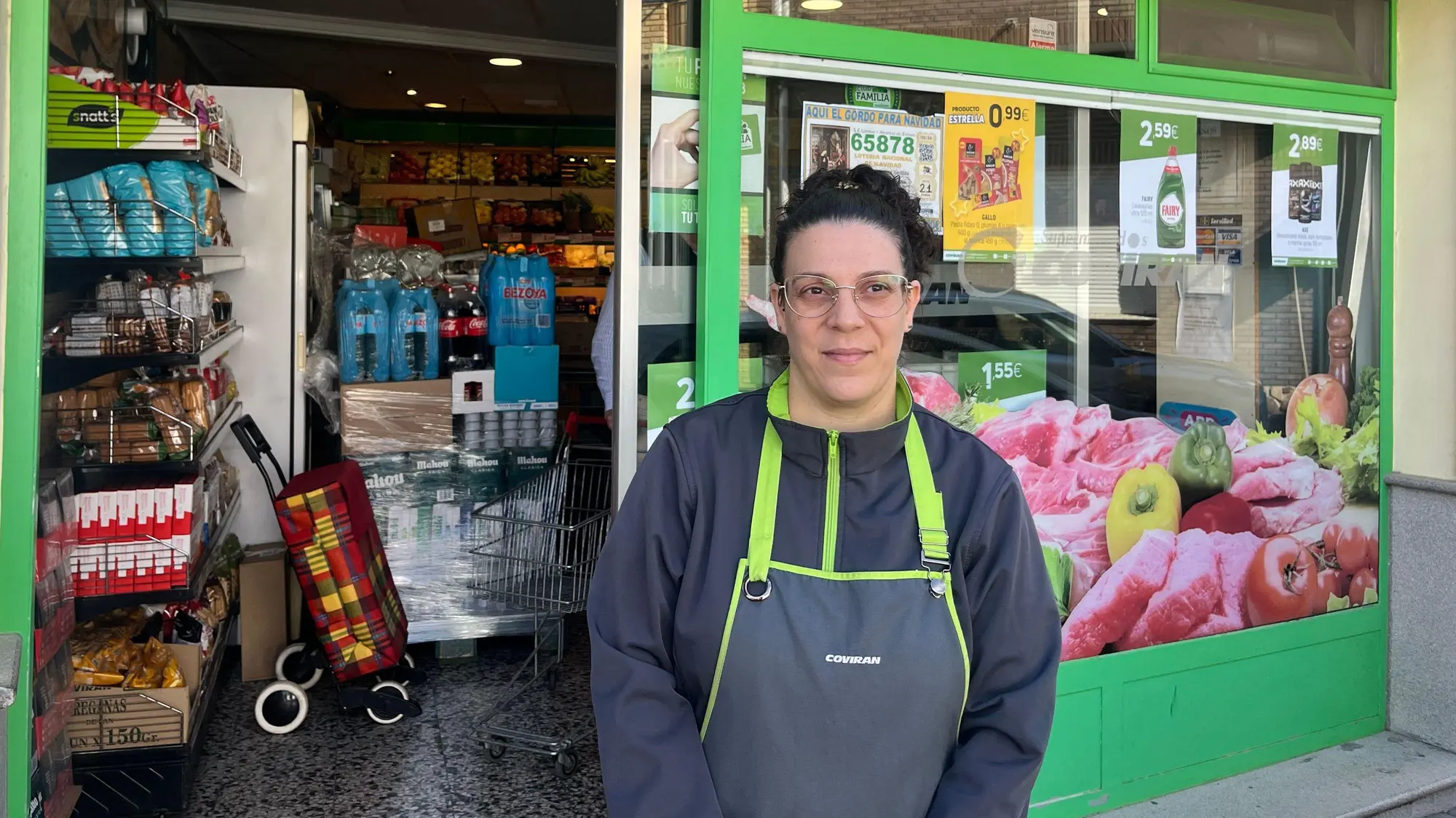
For example, Soraya Rodríguez, 40 years old, who owns one of the town’s supermarkets and who when she opened the doors of the store in the morning was not aware of what was happening.
“Until people started coming for water, milk, food,” he tells me.
The reaction was immediate. They distributed the water and milk they had, prepared sandwiches and offered cold cuts, fruit, gloves and plastic cups.
They donated part of the products they had. Another part was bought by neighbors who wanted to collaborate.
“I feel proud to be an Urdeña and how my people have reacted,” she says.
Listening to it reminds me of something I have seen many times in the towns of Castilla-La Mancha: when something serious happens, people organize themselves without anyone telling them what to do. Each one looks for a way to lend a hand.
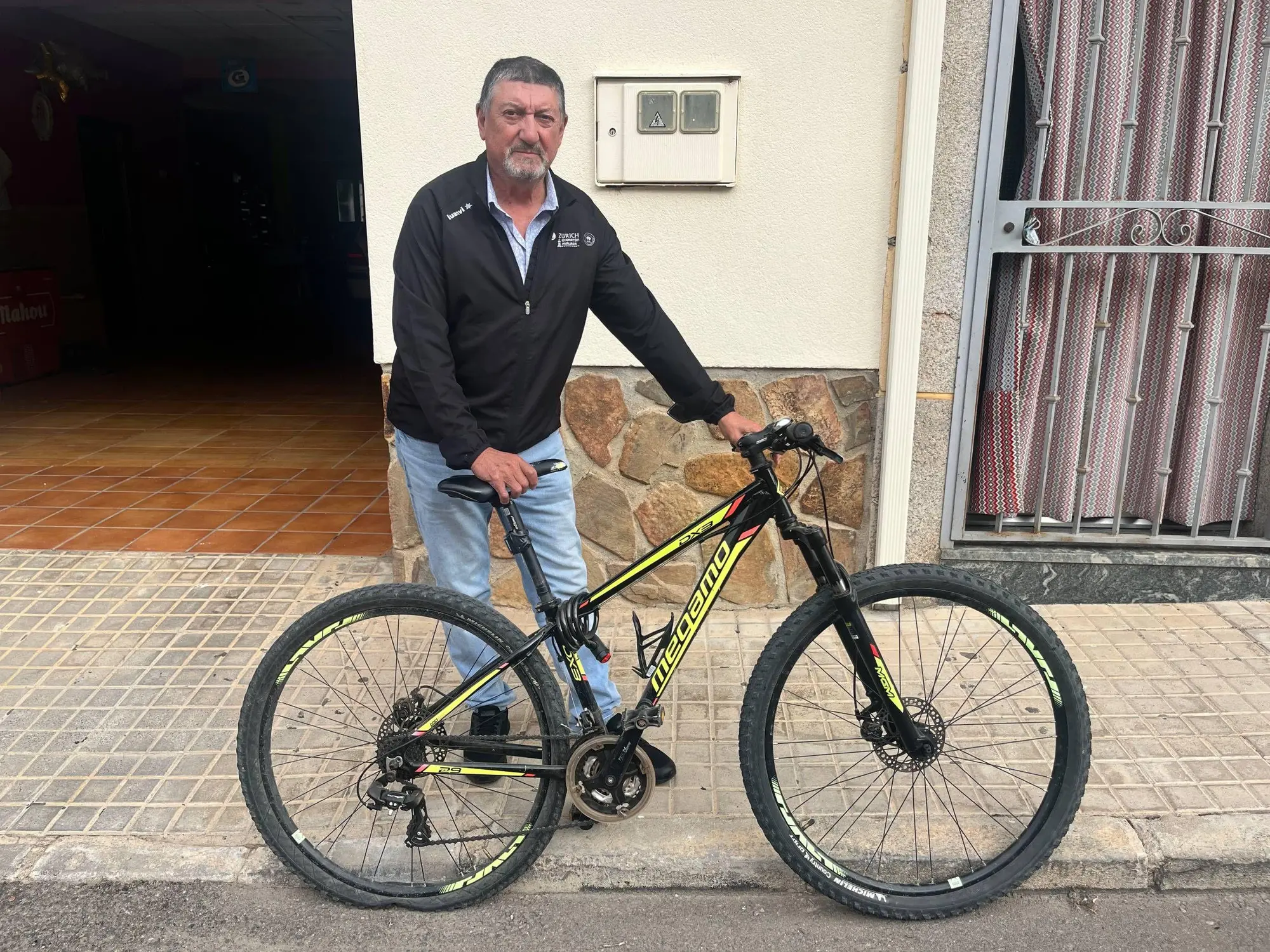
That same impulse was felt by Alejo García de Blas, a 70-year-old resident of Urda, who was riding a bicycle just when the accident occurred.
The noise and the silence
As he usually does many days, Alejo left on his bicycle around 8 in the morning.
At one point during his journey he saw a train passing by and how it was losing speed until it stopped. He approached out of curiosity, took some photos and continued pedaling.
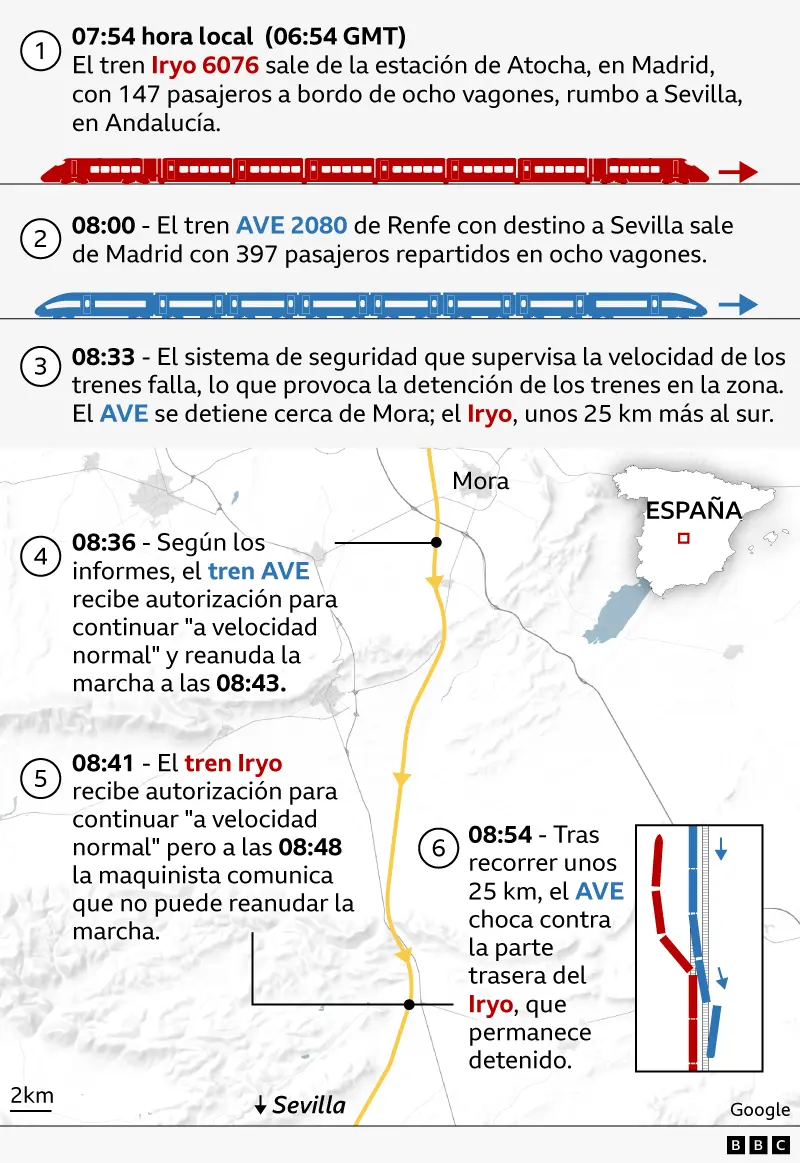
It was the Iryo train, which we would later learn was stopped on the track and tried to start twice before being hit.
Alejo continued on his way and, when he had traveled about three kilometers, he heard a roar.
“Like a bomb explosion,” he recalls.
He waited a few minutes before turning around. When he arrived at the scene of the accident, he saw the trains and people starting to leave.
But what he remembers most is not the sound of the impact, but what came shortly after the blow.
“The silence there was. It was an unusual silence,” he tells me.
Alejo was one of the first neighbors to arrive.
He helped remove a fence to facilitate access for emergency vehicles and remained directing the cars and ambulances that arrived without knowing exactly where to enter.
Then the paramedics, firefighters and more neighbors began to arrive. Some wounded could walk, but others moved disoriented, with blood stained clothes and visible wounds.
“The number of people who mobilized was impressive,” he says.
“There are no words to describe so much pain”
Less than a kilometer from the accident site is the farm of José Luis Díaz García, a 69-year-old farmer and rancher.
José Luis arrived immediately, to areas that could not be accessed from the point set up for the press. And he saw things that few people can relate.
“That was a war zone,” he explains.
The first thing he saw was the image that is now all over the media: the twisted, seriously destroyed train cars.
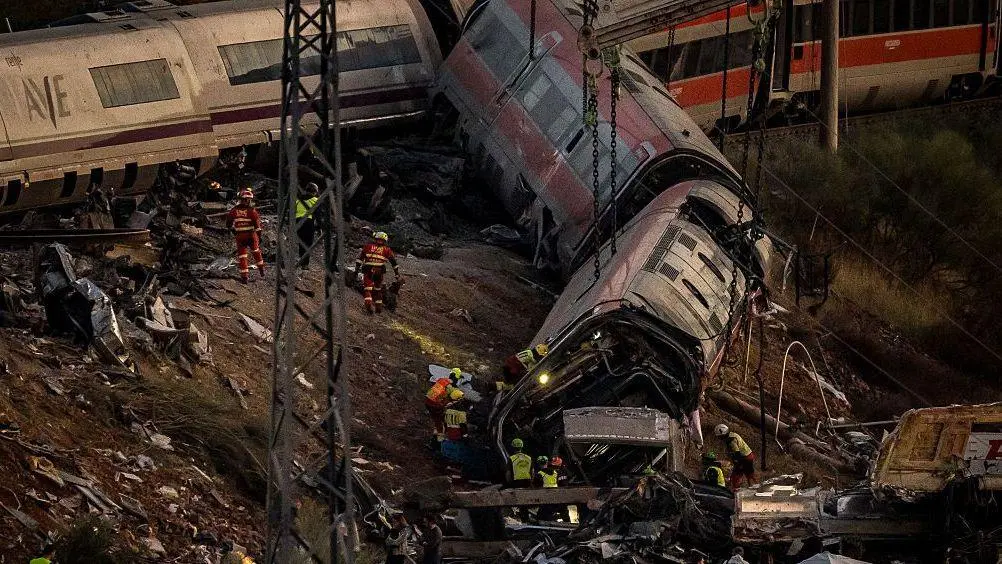
Then came, he says, “the images that those of us who were there cannot leave their minds.”
There is something that especially stuck out to him.
A 7-month pregnant woman was traveling on one of the trains. Her husband received a call from her after the accident and went to Urda to look for her.
They found her injured, with a bloody face and difficulty walking.
José Luis, along with a civil guard, accompanied her to her husband. “And I said, ‘Boy, you deserve heaven, you and your wife.'”
As he speaks, his voice breaks. He says that he broke down several times and that one of the moments that affected him the most was accompanying several priests to say a prayer for the deceased.
“What we experienced is a memory that we will have for a lifetime. It is an impressive, horrifying thing. There are no words to describe so much pain.”
Nor does he want to detail what he witnessed: “There are other things that I am not going to tell. Very hard, very hard.”
And I understand it. There are scenes that do not need to become a story so that we can understand the dimension of what happened.
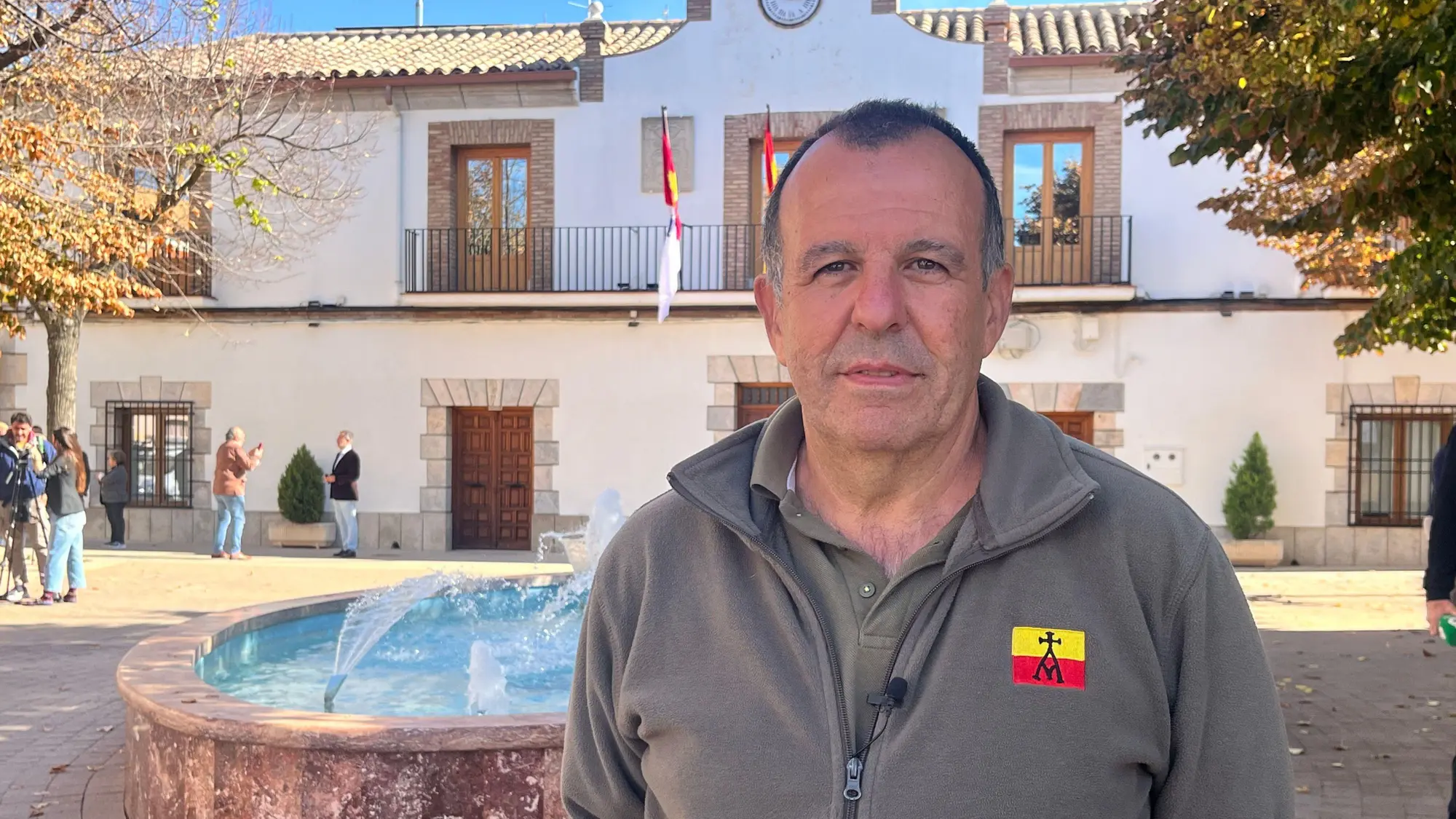
When I turn off the camera we both look at each other, we tell each other that our faces look familiar.
We make memory. José Luis was president of the Cristo de Urda brotherhood and I had already interviewed him before, during the pilgrimages.
Hereafter. Other circumstances.
From Urda to Toledo: the wait of families
I spent a good part of the day between Urda and the accident site.
In the midst of sadness, I met up with old colleagues whom I had not seen for years. That made the afternoon a little less bitter.
But the coverage continued and I went to Toledo, the capital of the province, 75 kilometers from the crash. It was already night and almost 12 hours had passed since the accident.
I went to the University Hospital where most of the wounded were admitted. There the tragedy was experienced in a different way.
The hospital lobby is huge, white walls, white doors, everything aseptically white, very high ceilings, silence. A certain calm, even.
At the back, a screen served as a boundary and covered part of the room. A sign warned: “Relatives of the train victims.”
Puzzled people kept arriving, their eyes tired from crying.
They had been trying to locate their loved ones for hours, asking from one place to another, waiting for a call.
There I met Maria. He was carrying a bag with something for dinner. He was going to go up to the room where his 40-year-old daughter was admitted, who was traveling from Madrid to Seville with a co-worker.
“She’s alive, which is no small thing,” he repeated.
Her daughter has serious bruises and several broken bones. They operated on her and, although she is out of danger, María was waiting to see how she progresses.
The companion who was traveling with her has not yet appeared.
In the background, a man was picking up a paper with information about a shelter where he could spend the night. He held it with a vacant look.
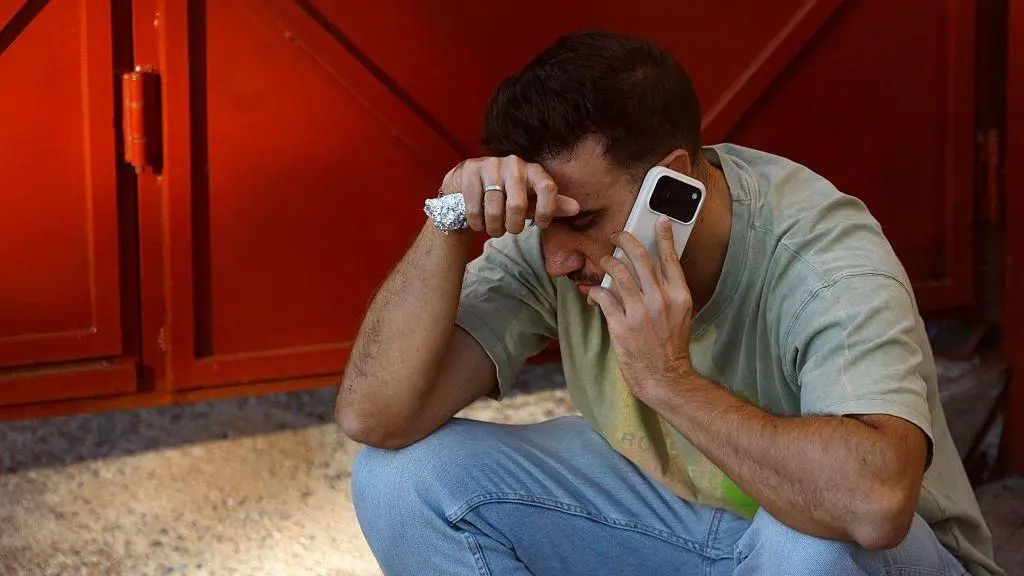
Throughout the day I saw that same expression on other faces. People exhausted from waiting, who did not know where to look or what news they were going to receive.
“We have been in the accident area, waiting all day in Urda. Now we are here and nothing. They don’t tell us anything,” one of them told me.
I asked him who his family member is.
“My wife,” he responded. And he started to cry. “Sorry, but I can’t talk.”
“How could it happen?”
In these last few hours I have heard very different stories.
Those of those who got off the trains and were able to walk to the buses. Those of those who arrived at the scene of the accident to help. Those of those who offered food, water and their own cars.
And those of those who, as night fell, were still waiting for news of someone they loved and could not locate.
Urda is a small town, with just over 2,500 inhabitants, used to receiving thousands of people during the Christ of the True Cross pilgrimage.
But no one expects a tragedy of this magnitude to occur next to their house, in their fields, on a train track like the Madrid-Seville one that is part of the daily life of the region.
Returning to Castilla-La Mancha to tell what has happened has something of a return home.
I know this land and I know that behind every news story there are people, families and entire communities trying to move forward.
At the end of the day, at night, many unknowns remained about what happened and why.
There is still time to investigate and find out the causes of the accident.
But there are two questions that I heard over and over again during the hours of coverage from the lips of these people.
“How could it happen? Why did it happen again?”
-
Download the new BBC World Service app. Choose BBC News Mundo and receive news alerts, documentaries and analysis, all in one place. Important: The new app is not available in the United Kingdom or the United States.
-
You can also follow us on YouTube, instagram, TikTok, Facebook, x and in our whatsapp channel.
-
And don’t forget subscribe here to our newsletter to receive a special selection of our best content every Friday.