
Trump finally has his sights set on an exit from Iran; Will he enjoy it?
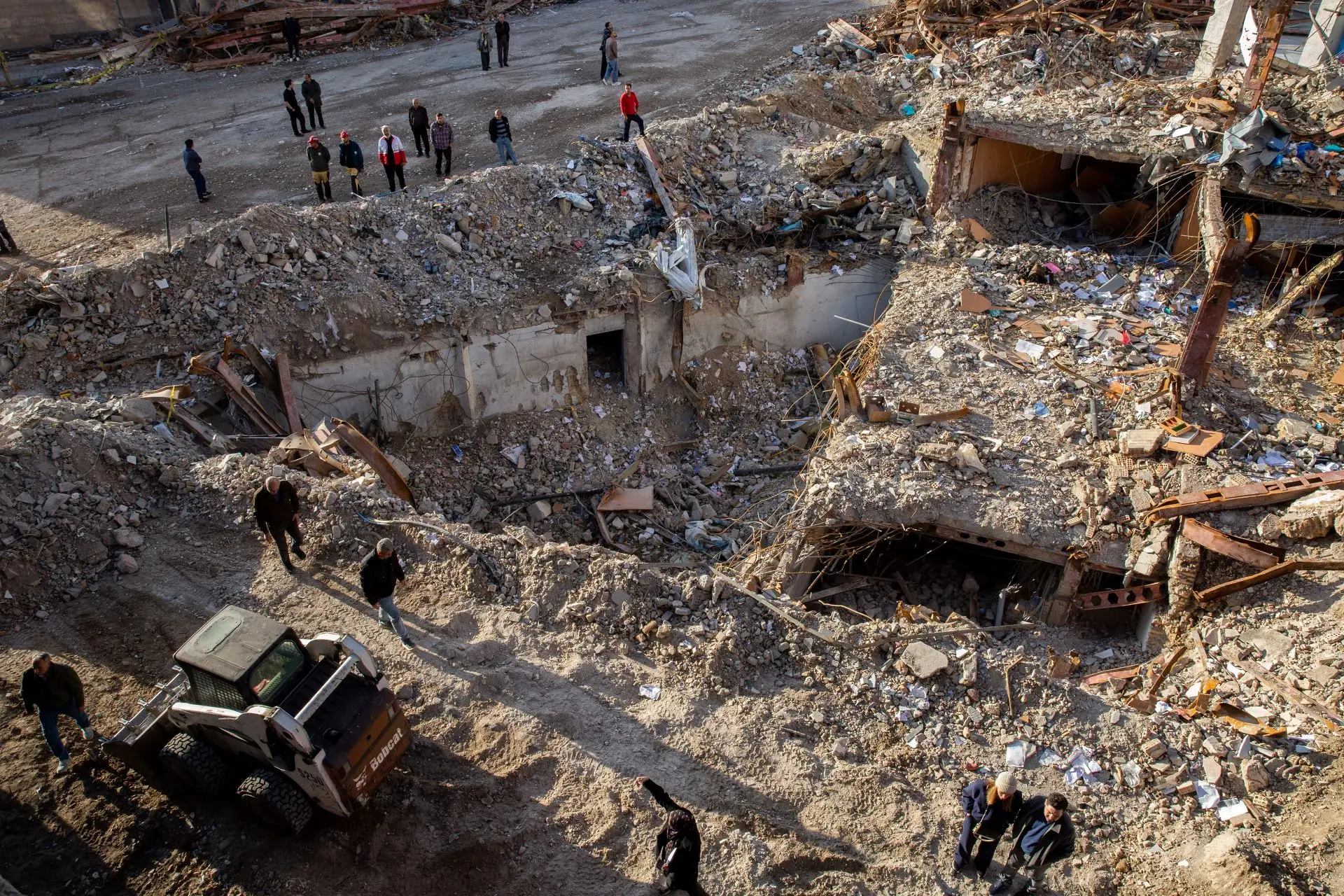
WASHINGTON — Since President Donald Trump began what he now delicately calls his Iran “tour,” Washington has been consumed by the question of when he will call it quits — even as many of his war goals remain unfulfilled.
On Friday night (20), on his way to Florida, Trump seemed to be planning this much-discussed exit. But it’s clear he hasn’t yet decided whether he’ll actually take advantage of it.
And there are increasingly strong signs — average gasoline prices approaching $4 per gallon, crumbling infrastructure across the Persian Gulf, a decimated Iranian theocracy entrenching itself and American allies who first rejected and now struggle to meet demands to patrol hostile waters — that the repercussions of Trump’s tour may outlast his interest in it.
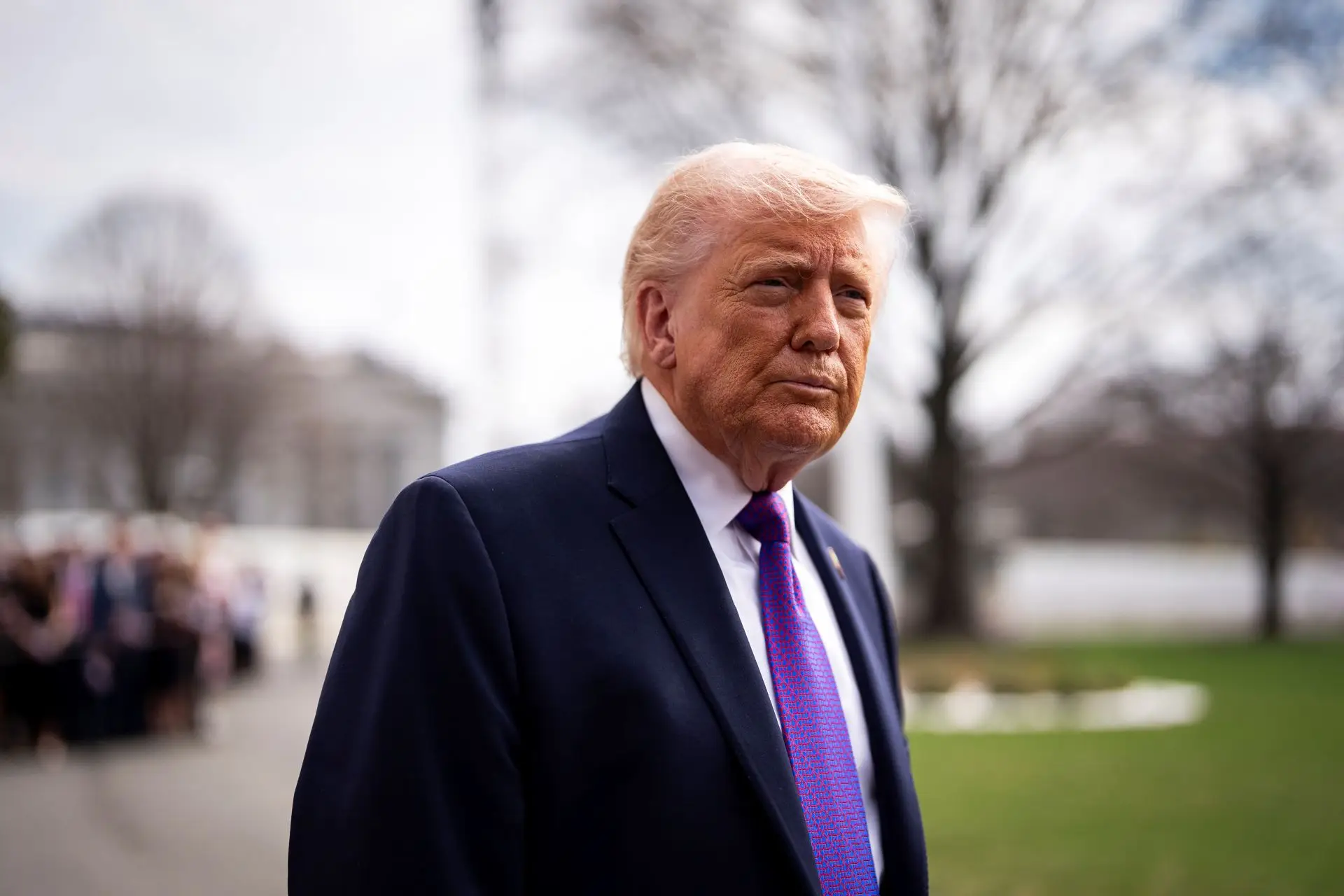
As always, Trump’s communication is inconsistent. His critics point to this as proof that he entered this conflict without a strategy; its supporters celebrate it as strategic ambiguity. With thousands of additional Marines being deployed to the region and the pace of American and Israeli strikes accelerating, Trump told reporters on Friday that he had no interest in a ceasefire because the United States was “annihilating” Iran’s missile stockpiles, its navy, air force and defense industrial base.
- Also read: US pushes for agreement on rare earths – but Brazil appears to have other plans
- Also read: They were trapped in a robotaxi while being attacked by an anti-technology man
Hours later, perhaps sensitive to the Republican base — naturally nervous about the political effects — he posted on his social network that “we are getting very close to meeting our objectives as we consider ending our major military efforts in the Middle East.”
But his new list of objectives left out some previous goals and diluted others. He did not mention defeating the Revolutionary Guards, who apparently remain in power, as well as Mojtaba Khamenei, who succeeded his father as supreme leader, although he has not yet been seen or heard from in public. Trump also omitted any message to the Iranian people, to whom he told just three weeks ago: “When we’re done, take over your government. It will be yours.”
And after insisting in failed negotiations leading up to the war that Iran needed to ship all of its nuclear material out of the country—starting with the closest 970 pounds of enriched uranium to weapons grade—he suggested a new target. “Never allow Iran to come even close to having nuclear capabilities,” he wrote, “and always be in a position where the U.S. can react quickly and powerfully to this type of situation.”
In essence, that’s exactly where the United States was after it reduced Iran’s nuclear program to rubble in June. The sites remain under the watchful eye of American spy satellites.
Trump ended the publication with a new demand for American allies, which he had left out of discussions before starting the war, without any warning to prepare for the consequences. “The Strait of Hormuz will have to be watched and policed, as necessary, by other nations that use it — not the United States!” American forces would help, he said.
“Think of this as the new Trump Doctrine for the Middle East,” wrote on social media Richard N. Haass, former president of the Council on Foreign Relations, who served on the National Security Council and the State Department during the Gulf War and the Iraq War.
“We were the ones who broke it, but now it’s yours.”
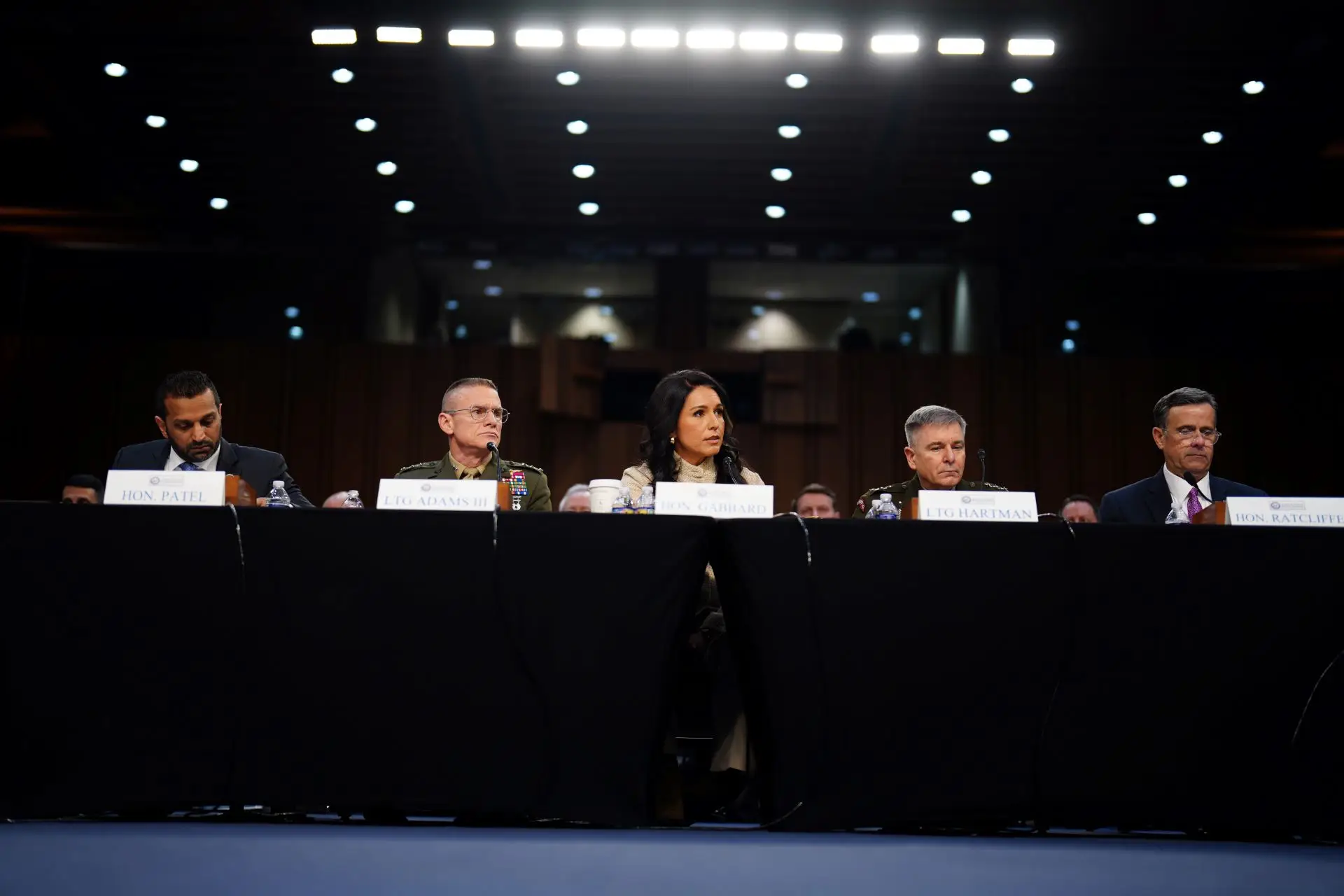
The changes in Trump’s goals continued until Saturday night (21). Just days ago, he called on Israel to avoid hitting Iranian energy facilities for fear it would trigger an escalation of retaliatory strikes across the Gulf. But on Saturday, he threatened to target Iran’s power plants if the country did not “COMPLETELY OPEN, WITHOUT THREATS, the Strait of Hormuz” within 48 hours.
He stated that American attacks on Iranian plants would begin “THE MAJOR FIRST.” Iran’s largest plant appears to be its only operating nuclear plant, in Bushehr. For decades, nuclear power plants have been considered completely out of the question as a target for attacks, due to the obvious risk of environmental disaster.
This was not where Trump expected to be after three weeks of war.
Foreign leaders, diplomats and American officials who spoke with the president say that in the first week he expressed expectations that Iran would capitulate. This was clear in Trump’s March 6 demand for an “unconditional surrender” of Iran.
The demand was enigmatic, said a European diplomat with long experience in negotiations with Iran, considering the country’s multiple centers of power, national pride and a Persian state that exists, with approximate contours of modern Iran, going through countless rises and falls since the time of Cyrus the Great, around 550 BC
(That requirement also disappeared from his last set of objectives. The White House has since stated that the president does not expect a formal surrender announcement, but that it will be up to Trump to determine when Iran will have “effectively surrendered.”)
Iran’s refusal to “call for relief,” as Trump told reporters on Air Force One, was just one of the surprises for the president in recent weeks.
The first was the crisis in energy markets, which the International Energy Agency called “the biggest supply disruption in the history of the global oil market.” This left Trump and his advisers in an uproar. They promised to release barrels from the Strategic Petroleum Reserve, which was only 60% full — a reflection of a lack of planning. Over the past week, the Treasury Department has issued permits to deliver Russian and Iranian oil that was already offshore. In other words, to calm the markets, the president authorized the enrichment of an adversary at war with Ukraine, a US ally, and another at war with the United States itself.
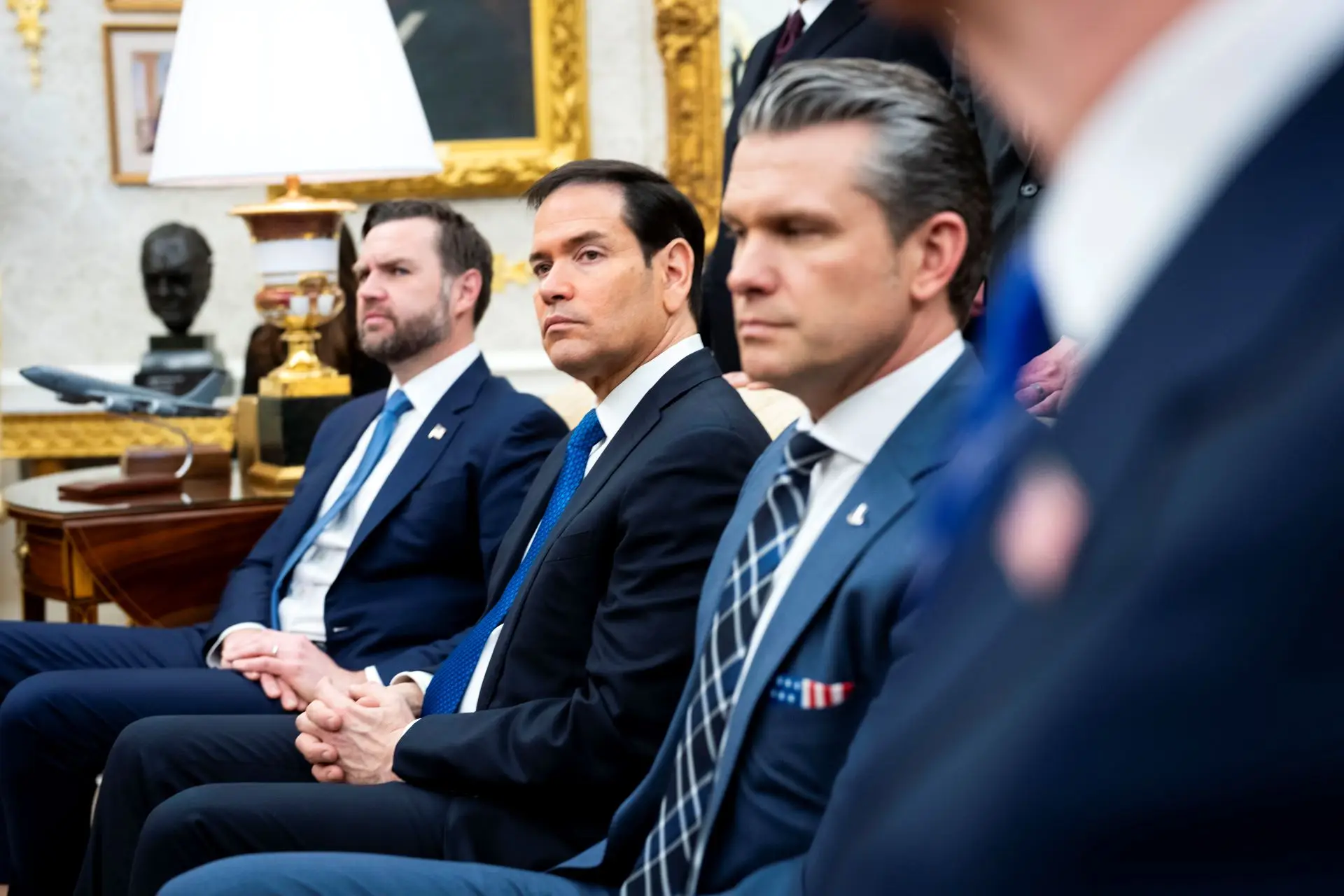
So far, the effects are limited. Brent closed at around $112 a barrel on Friday following the Treasury announcements, and Goldman Sachs warned on Thursday that if ships proved reluctant to pass through the Strait of Hormuz, prices could remain high until 2027.
The Iranians clearly understand that market chaos is their only remaining superweapon. On Saturday, Tehran warned that it could set fire to other facilities in the Middle East. The US believes that the country entered the war with around 3,000 naval mines — some of which had already been destroyed — and has focused its efforts on destroying small boats in the Iranian fleet that target oil tankers linked to American allies.
“All it takes is for one of those things to get through to bring traffic to a complete halt,” said John F. Kirby, who served as a spokesman for both the Pentagon and the State Department after retiring from the Navy. “Fear alone can be paralyzing for the shipping industry, as we have seen.”
Trump’s second surprise was his sudden need for allies. He didn’t imagine this at the beginning of the conflict, the defense minister of a Gulf country said recently, because he thought the war would be short. But patrolling the strait and other crossing points appears to be a task that could last months or years.
The third surprise was the total absence of uprising, both within the Revolutionary Guard and among ordinary Iranian citizens. Treasury Secretary Scott Bessent said in the Oval Office earlier this week that “we are seeing defections at all levels as they begin to realize what is happening to the regime.” But American and European intelligence officials say they have no evidence of these defections — even after Israel targeted and eliminated Iran’s supreme leader, his top security and intelligence chiefs and several senior military officials.
All of this can still happen. Wars are not won or lost in three weeks. But Trump entered the war against Iran after enjoying the fruits of quick victories. A bombing of Iran’s three main nuclear complexes in June was a single-night operation, essentially burying the country’s nuclear stockpiles and destroying thousands of centrifuges used to enrich uranium.
The commando operation to capture Nicolás Maduro of Venezuela in his bed in Caracas was equally swift. And so far, the government that Trump left in place — essentially Maduro’s own government — has been complacent. This operation helped Trump destabilize Cuba, which lost the Venezuelan fuel supply it had long depended on. The other day, the power grid in Cuba collapsed, and American government officials have been openly suggesting that the regime will also fall.
Perhaps these quick results led Trump to believe that the US military was omnipotent and that the mullahs, generals and militias who control Iran, a country of 92 million people, would crumble. Maybe he was hasty.
Military historians will dissect this conflict for a long time. But for now, it’s clear that Iran is a different kind of challenge. Trump has started using the word “excursion” to suggest that this is just a short trip, a momentary detour. But there is no real end in sight.
c.2026 The New York Times Company
