
Which countries have the most nuclear weapons: the ranking dominated by Russia and the United States
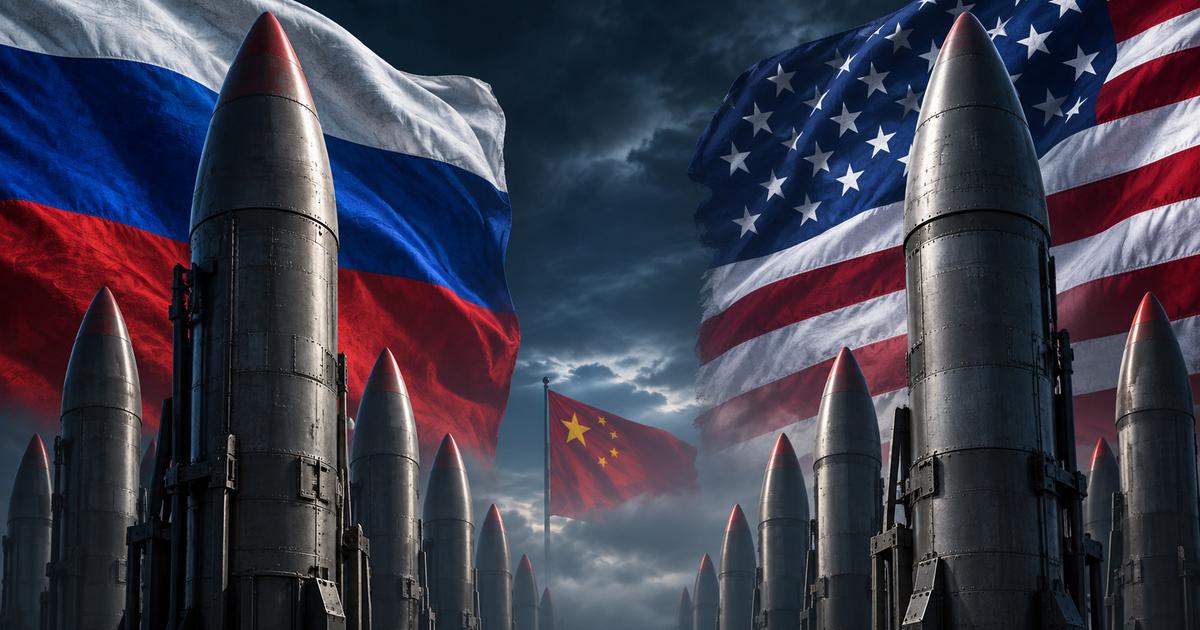
Russia and the United States lead by a wide margin the ranking of countries with the most nuclear weapons in the world. China appears behind, although with a considerably smaller inventory. In total, nine countries have this type of weapons, in a scenario marked by the modernization of arsenals and the difficulties in advancing with disarmament.
The panorama explains the warning of UN Secretary General António Guterres, who described the situation as “the most dangerous nuclear moment since the end of the Cold War.” The concern combines the persistence of thousands of warheads with the deterioration of agreements aimed at limiting their expansion.
The ranking of countries with the largest nuclear arsenal
Stockholm International Peace Research Institute (SIPRI) estimates for January 2026 place countries in the following order, based on their total nuclear warhead inventory:
-
Russia: 5,420 warheads.
-
United States: 5,042.
-
China: 620.
-
France: 370.
-
United Kingdom: 225.
-
India: 190.
-
Pakistan: 170.
-
Israel: 90.
-
North Korea: 60.
The figures are estimates and correspond to the beginning of the year.
What it means to have thousands of nuclear warheads
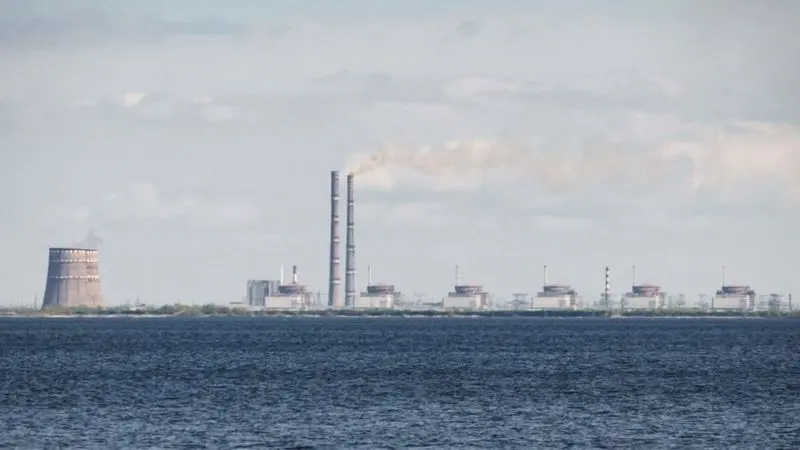
A nuclear warhead is the explosive charge that can be used in a missile or other delivery system. However, the total inventory does not equal the number of weapons ready to fire.
The measurement includes both warheads from military stockpiles and retired ones that remain intact waiting to be dismantled. Within the military component there are also differences between those deployed and those stored.
This distinction matters for interpreting the ranking: counting all warheads allows inventories to be compared, but does not alone describe the operational readiness of each country. Furthermore, the secrecy surrounding these programs introduces uncertainty into the calculations.
Russia and the United States, far ahead of the rest
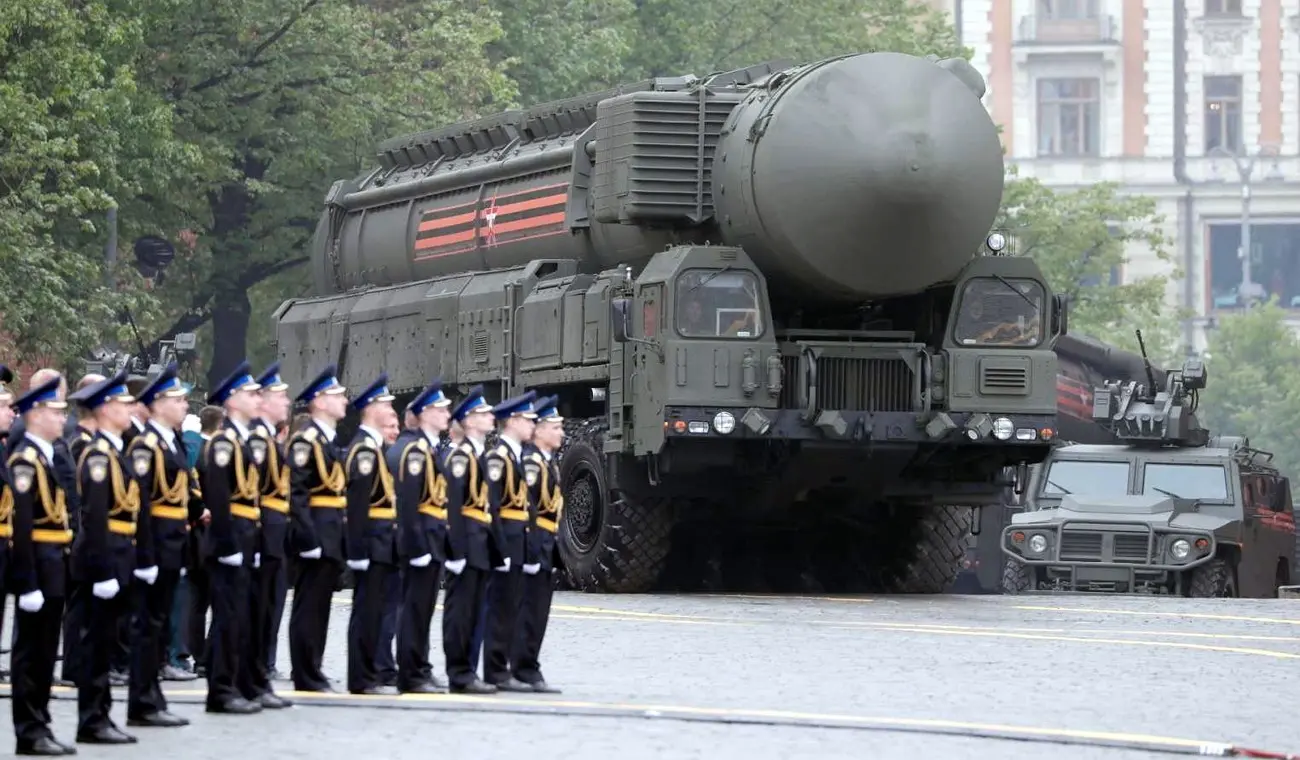
The distance between the two leading powers and the other countries remains enormous. Moscow and Washington concentrate approximately 86% of the world’s nuclear inventory, according to the Federation of American Scientists (FAS).
Even if retired weapons pending decommissioning are excluded, both account for about 83% of warheads in military stocks. Therefore, any negotiation between Russia and the United States has a decisive weight on the prospects for disarmament.
China occupies third place and accelerates its expansion
China has the fastest growing arsenal, according to SIPRI. Although it remains far from the Russian and US inventories, its expansion adds another dimension to the negotiations on nuclear control.
The problem is not limited to the number of weapons. The nine countries continued to modernize their capabilities during 2025. SIPRI warns that the introduction of new systems, geopolitical tensions and the weakening of control mechanisms increase the risks of escalation.
Why the UN warns of a new nuclear race
The global inventory remains well below the Cold War peak of about 70,000 warheads. However, having fewer weapons than then does not mean that the risk is resolved.
SIPRI estimates that between 2,100 and 2,200 deployed warheads remain on high operational alert. It also warns that the decrease in total inventory could be reversed in the coming years: the dismantling of retired weapons slows while the incorporation of new ones increases.
Faced with this scenario, Guterres demanded to recover negotiations and replace threats with control mechanisms. “Disarmament is not a favor. It is a binding legal obligation established in the Treaty on the Non-Proliferation of Nuclear Weapons,” he said.