
Planalto and Itamaraty differ on reaction tone to management threats Trump to Moraes
The silence of the Brazilian government in the face of the possibility of the government of US President Donald Trump adopting sanctions against Supreme Federal Court Minister Alexandre de Moraes was motivated by internal disagreements about the tone to be adopted. According to an interlocutor report that accompanies the discussions, while in the Planalto Palace the understanding is the need for a quick response, which makes it clear that these threats are considered interference with Brazil’s sovereignty, in Itamaraty prevails the idea that it is better not to react until there is no concrete.
The evaluation of the diplomatic area is that it is not worth entering the media clash that the opposition to the government, led by licensed deputy Eduardo Bolsonaro (PL-SP), son of former President Jair Bolsonaro, tries to incite. Bolsonaro’s son 03 left his term in the House and went to the US in March this year. There, he campaigns against Moraes and the government of President Luiz Inacio Lula da Silva.
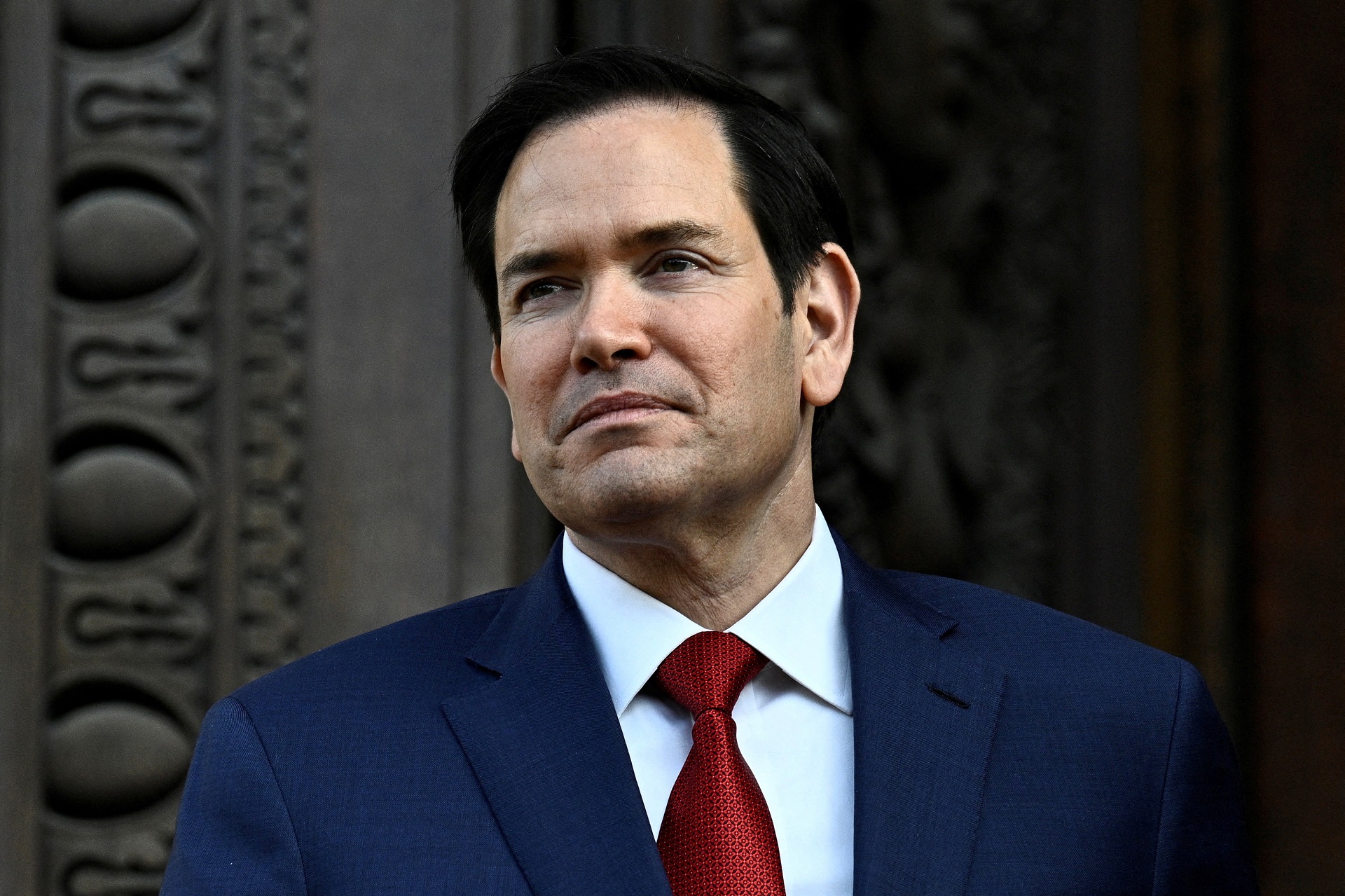
According to a government member, on Thursday, a day after US Secretary of State Marco Rubio declare that the sanctions could be adopted, the Presidency of the Republic determined to Itamaraty that a note was released. The text, however, did not come out, but remains in the radar. The tone to be used with Washington will still be chosen.
I want to profit from the bag
For now, he won the most contained line and, in the face of internal differences in the government, the order was to wait.
On Wednesday, during a hearing at the US Representatives Foreign Commission of the House of Representatives, President Donald Trump’s head of diplomacy said Moraes could be the target of sanctions. It was the first time a member of the US government publicly admitted this possibility. The minister could face blockade of bank assets and accounts in the country, as well as having the visa canceled and prohibited from entering the US.
“This is under analysis right now, and there is a great possibility that this happens,” Rubio said, as he answered a question in that sense by Republican Deputy Cory Mills (Florida).
According to Globo columnist, Bela Megale, STF magistrates evaluate that the defense of Moraes needs to occur by diplomatic roads and not be led by the court itself. The assessment of the ministers is that the threat of punishing Moraes for his performance as Supreme Minister is an affront to the Brazilian State and not just the court.
In the US, republican parliamentarians and bolsonarism allies say Moraes would have transformed the country’s judicial system into a political weapon. The US government is based on Global Magnitsky law, which allows punishments to foreign authorities accused of corruption or serious human rights violations.
Since Trump took office in January this year, Rubio has never talked to Chancellor Mauro Vieira, contrary to what was happening in the management of former President Joe Biden. Vieira and then secretary of state, Antony Blinken, were often spoken. In the words of an important government member, today there is a “silent tension.”
