
TSE denies appeals and maintains Cláudio Castro’s ineligibility conviction
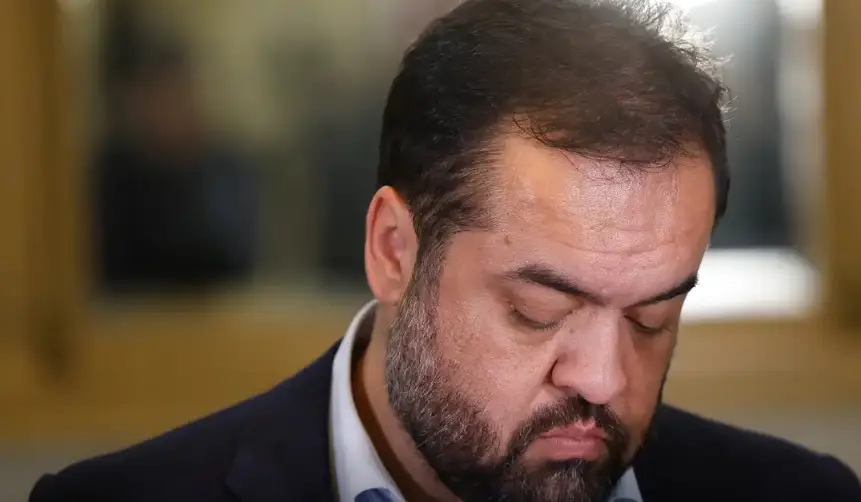
The Superior Electoral Court (TSE) denied appeals and unanimously upheld the conviction of the former governor of Rio de Janeiro, Cláudio Castro, for abuse of political and economic power in the 2022 elections. The conviction leaves him ineligible until 2030.
The ministers also denied, by 5 to 2, a request from the Electoral Public Ministry (MP) that pointed out a contradiction in the judgment in relation to the revocation of Castro’s mandate. He resigned from his position on the eve of the trial, but the definition of impeachment has a direct implication on the format for choosing a new ruler for the buffer mandate in the State.
PT talks about ‘Tariflavio’, while opposition tries to disassociate itself from Trump’s tariffs
“This new attack on PIX and Brazil has a name: Tarifaço, Flávio, TARIFLÁVIO”, wrote Éden Valadares, PT’s national secretary of communications
In the event of revocation determined by the Electoral Court, the rule provides for new direct elections to be held. In cases of vacancy due to resignation, it is up to the State to define the procedure, which paves the way for an indirect election by the State Legislative Assembly (Alerj).

For the Deputy Attorney General for Electoral, Alexandre Espinosa, the majority of the seven ministers voted for the revocation, contrary to what appears in the decision published by the Court. He asked for an adjustment to the syllabus to expressly declare the revocation of the diploma, with the consequent determination of direct elections in the State.
According to an analysis of the votes carried out by the Electoral MP, three ministers expressly voted for the impeachment (Isabel Gallotti, Estela Aranha and Floriano de Azevedo Marques), two considered the loss of mandate due to the resignation to be prejudiced, without ruling out the impeachment (Cármen Lúcia and Antonio Carlos Ferreira) and only two were against the impeachment (Kássio Nunes Marques and André Mendonça).
The rapporteur, Villas Bôas Cueva, denied that there was a contradiction in the judgment. “There was no vote in favor of revoking the then governor’s diploma, with only three votes in that regard,” he stated. At this point, he was accompanied by ministers André Mendonça, Dias Toffoli, Kássio Nunes Marques and Antonio Carlos Ferreira.
Minister Floriano Azevedo Marques disagreed and defended the loss of the diploma. “Revocation of the diploma is an inevitable result (of abuse). Once abuse is recognized, ineligibility and revocation of registration or diploma are mandatory consequences”, he stated. “If there is abuse, the election is null and void”, highlighted the minister.
Azevedo Marques was accompanied by minister Estela Aranha. “The resignation of the mandate is not capable of removing legal consequences arising from the recognition of illegal acts in the electoral sphere”, he stated.
The topic is also under discussion in the Federal Supreme Court (STF), in actions brought by the PSD. So far, there are four votes in favor of the indirect election by the state Legislative Assembly (Alerj), with a secret vote. Minister Cristiano Zanin argued that the choice must be by direct vote. The trial was suspended by Minister Flávio Dino in April.
Amid the uncertainty, the president of the Court of Justice of Rio de Janeiro (TJ-RJ), judge Ricardo Couto, governs the State on an interim basis.
