
Congress still votes for something in 2025? Lula’s clash should set the second semester tone
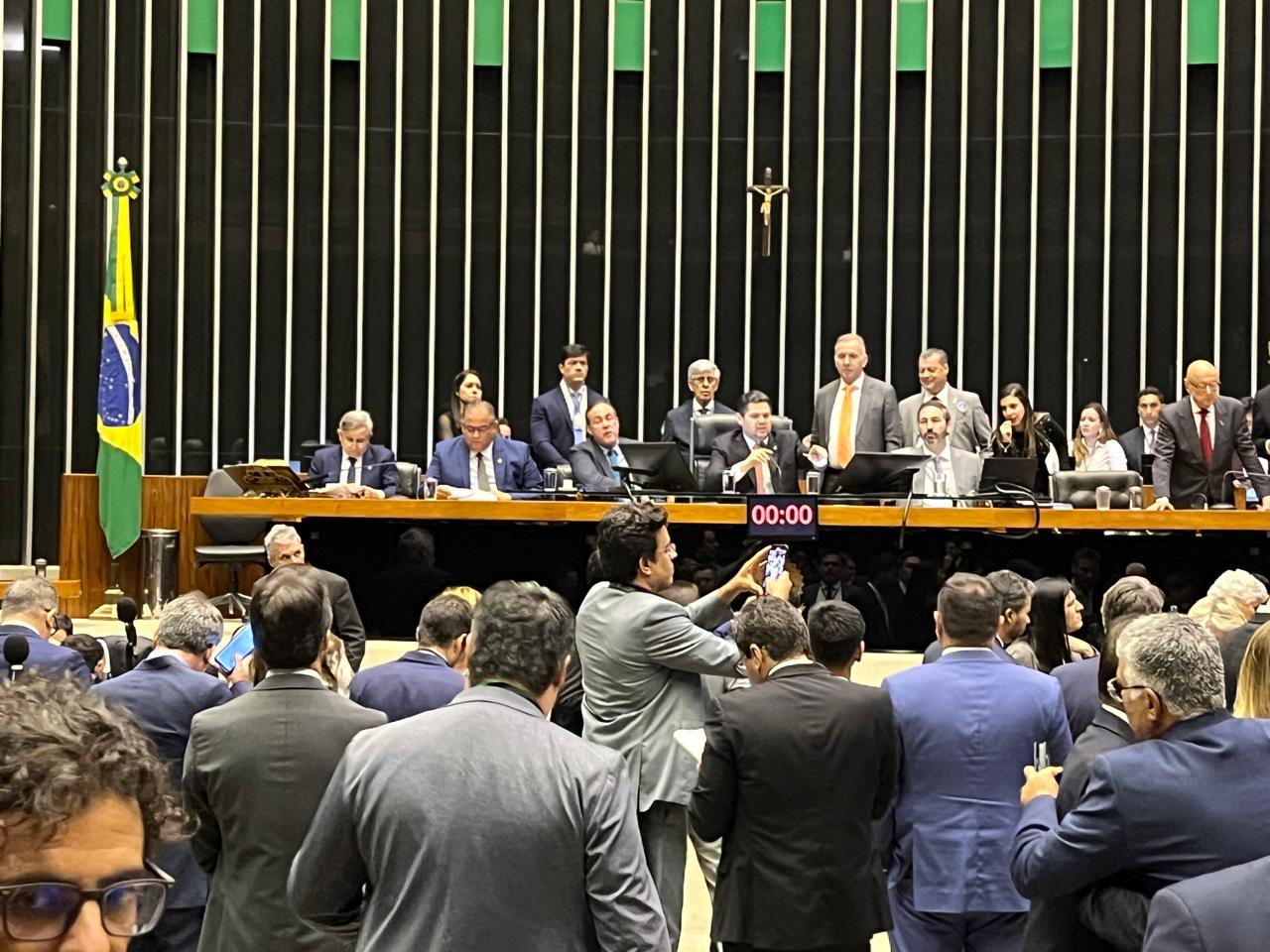
The return to the work of Congress in August has a agenda filled with matters of interest to the Lula administration and that can help leverage the president’s popularity, such as the exemption of income tax for those who earn up to $ 5,000 and the social tariff of electricity. But the animosity of parliamentarians can make the government’s plans difficult.
“The legislature should return from the slightly more injured and bothered recess with the fact that President Lula has surfed in the idea that Congress is the enemy of the people,” says the political scientist and CEO of consulting firm Dharma, Creomar de Souza.
In addition to the campaigns on social networks, promoted mainly by the PT, but also by the government, with messages contrary to Congress, President Lula vetoed before the legislative recess the project that would increase the number of chairs of deputies. Congress gave the change and voted, until dawn before the recess, projects hostile to the government, with increased public spending, such as the project that includes up to $ 30 billion in subsidized credit for agribusiness.
Read also: Bolsonaro gives up on the House after arrest threat for breaking precautionary
I want to download
The assessment of governors is that President Lula was empowered by the recovery of popularity in research, but the fact is that it is not yet known how long this harsh popularity gain. Moreover, Congress grew a perception that the opinion of the STF Minister Flávio Dino, in the second semester, should be due to the unconstitutionality of the imposing amendments, generating more conflict among the powers.
However, according to Souza, some government agendas have a direct impact on the ability of deputies to have votes on next year’s elections. “When you talk about the issue of social electricity tariff, when you talk, for example, about the expansion of programs such as the half foot and the exemption of income tax are projects that have to be resolved in the second half,” says CEO Consultoria Dharma.
The political scientist adds that the cost for a deputy to vote against or pressure by preventing these forward projects can be very high. “Regardless of eventual rusts between Congress and Executive, the bet is that these measures of much popular government agenda will be voted. This thinking of a normality environment,” he says.
According to Souza, there are variables that question what can happen from August 1st. One of them is the entry into force of Trump government tariffs. Another is the fate of former President Jair Bolsonaro who can, until August, represent an increase in tension between Congress and Supreme. In the Bolsonaro case, the mayor, Hugo Motta (Republicans –PB) has accumulated dissatisfaction of both Bolsonarists and governors.
President Hugo Motta has suspended the operation of the commissions shows that Congress summits are not willing to make their way to proposals that ferment the judiciary or directly favor Bolsonaro. Possibly, at the opening of the legislative session, with Bolsonaro at risk of being arrested, the PL should make obstructions that would make the legislative process more complex and slow, forcing the government to make concessions to the centrão.
It also has the issue of amendments, which affect the arrangement of parliamentarians. “Congress needs to build ways to maintain a certain level of protection of its own agendas and interests. This depends much more on a possible dialogue with the judiciary, due to parliamentary amendments, than effectively dialogue with the executive,” points out the political scientist.
The risk to the executive is that a possible increase in topics to be appreciated by Congress, makes it an idea of revenge. “The second semester tends to be taken by the capacity or not of presidents Hugo Mota and David Alcolumbre (Union-AP) to put the guidelines for play. This will be challenge. So far, the House and Senate have voted for little. And there are no indications so far there will be substantial increase in the number of proposals to be voted,” he concludes.
