
More than the oil companies, it is the US refineries that benefit from Venezuela
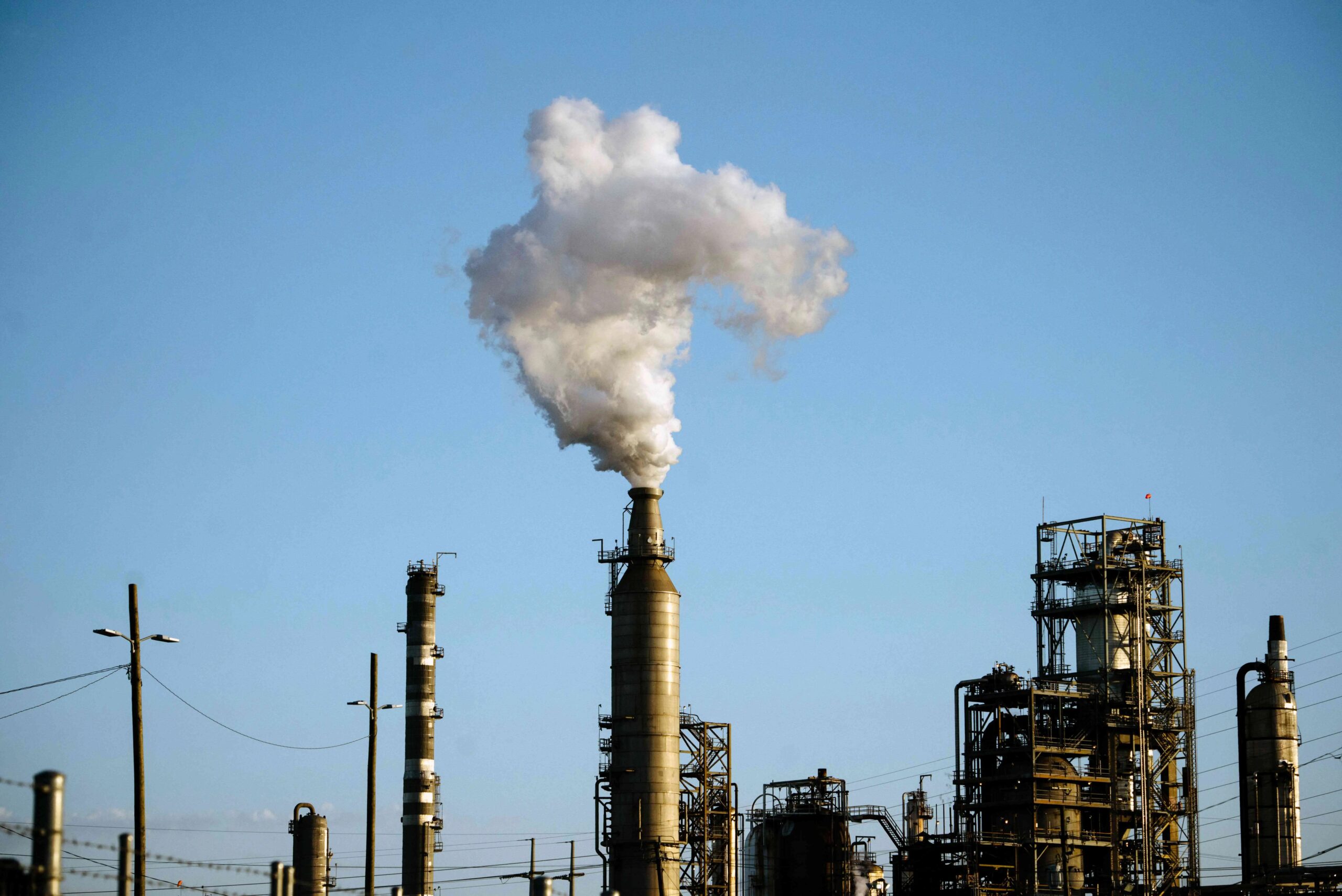
Some of the biggest early winners from the Trump administration’s efforts to exert more control over Venezuela’s energy industry are not the companies that produce oil, but those that turn it into gasoline, diesel and other products.
U.S. refining companies like Valero Energy and Marathon Petroleum are well positioned to profit if more Venezuelan oil starts flowing to the U.S. This is because these companies adapted their facilities decades ago with that country’s oil in mind.
Venezuela releases access to X after more than a year of blockade imposed by Maduro
Resumption of the social network occurs amid the political transition after the capture of the former president and marks the repositioning of Chavismo in the digital environment

Putin and Lula support Venezuelan sovereignty in phone call, says Russian agency
The two leaders agreed to coordinate efforts to help reduce tensions in Latin America through the United Nations and the BRICS group.
Just like there are different types of apples, not all oil is the same. Venezuela’s main type of crude oil is especially difficult to process—viscous and tar-like—and for that reason is generally cheaper than the varieties found in the American underground. This makes it attractive to refineries, such as those in the US Gulf Coast region, that have the equipment to process it.
And unlike oil producers like Exxon Mobil or ConocoPhillips, which need to assess whether the risks of operating in Venezuela are worth it, these refiners have little to lose because they don’t need to make long-term commitments or send employees to the country.
Investors noticed this. Shares of PBF Energy, a mid-sized refining company, have risen 15% since U.S. forces captured Nicolás Maduro, Venezuela’s president, outperforming the broader market by a wide margin. Valero and Marathon, which are much larger, saw their shares rise by around 10% and 6%.
“Having more Venezuelan crude oil available is only a plus for U.S. refineries,” said Rick Weyen, a retired executive who used to coordinate oil shipments to a refinery in Texas.
This boost would expand an already profitable phase for refineries. These companies tend to benefit from lower oil prices as long as there is still healthy demand for the products they make. They also made a lot of money during and shortly after the Covid-19 pandemic as fuel demand recovered.
It is still too early to say exactly how oil flows will change after Maduro’s ouster. But if the past is any guide, the United States will soon import more oil from Venezuela.
In 2018, before President Donald Trump imposed some of his most sweeping sanctions on Venezuela during his first term, the United States imported about 506,000 barrels of oil from the country per day, federal data shows. By last fall, these imports had fallen by about 75%.
Last week, the Trump administration outlined a plan under which the United States would control Venezuela’s oil industry “indefinitely,” starting with 30 million to 50 million barrels of oil, presumably what is stored in the country or in tankers anchored off the coast.
The Venezuelan government has not confirmed many of the details, but two commodity trading giants, Trafigura and Vitol, are already helping line up buyers for the oil.
Much of the stored oil will likely flow to the United States. Not only is Venezuelan oil suitable for American refineries, but the Gulf Coast is relatively close to Venezuela, reducing transportation costs.
“We are more than excited as this opportunity expands to invest even more in our refineries and produce more,” Valero CEO Lane Riggs said last week during a meeting between oil industry executives and Trump at the White House.
Riggs noted that his company had refineries “uniquely configured to process Venezuelan crude.”
San Antonio-based Valero has generally been one of the biggest buyers of Venezuelan oil in the U.S., according to an analysis of federal data by investment bank TD Cowen. Marathon, of Findlay, Ohio, said it intends to compete for cargoes of Venezuelan oil.
If more cheap oil reaches the United States, American consumers will likely benefit from more affordable fuels, especially diesel and jet fuel.
Any price drop could be modest, however, as Venezuela only produces about 1% of the world’s oil and significant growth would take time.
Importing more oil from Venezuela would likely hurt oil producers in Canada, which have been supplying most of the heavy oil used by the United States.
But Doug Terreson, a former energy analyst who now sits on the board of the Phillips 66 refinery, noted that even 30 million to 50 million barrels wouldn’t go very far. The United States refines about 17 million barrels of oil per day.
“Is it a relevant amount of oil? It doesn’t interfere, but there are two days of supply,” said Terreson.
In the long term, the big question for US refineries — and for Venezuela itself — is whether the country can significantly increase its oil production. And if so, to what extent.
Another factor is concern about climate change. Trump has repeatedly rejected the science behind global warming, but a future administration may not.
Producing and transporting Venezuela’s heavy oil generates many more greenhouse gas emissions, making it less attractive to companies and governments wanting to slow climate change.