
CNJ now authorizes the Union and States to file processes to lose the position of judges
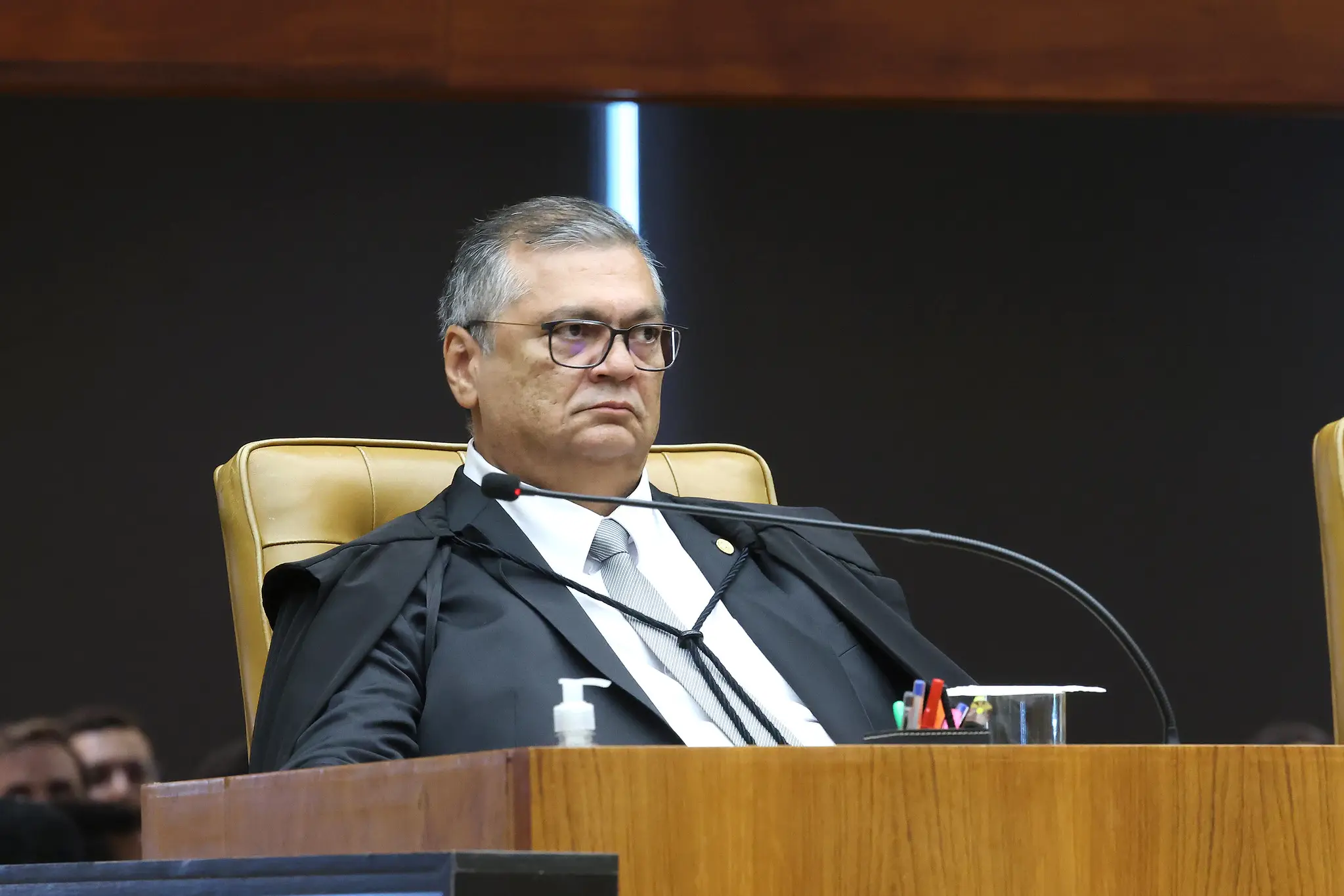
The National Council of Justice (CNJ) already has a procedure that allows magistrates punished with compulsory retirement to be revoked. In practice, it is up to the Union and the States to decide whether to take action asking for the loss of their positions of judges who committed serious infractions. The final word belongs to the common courts, but, according to the decision this Monday (16) by minister Flávio Dino, the Federal Supreme Court (STF) will now concentrate the analysis of these processes. Loss of position implies loss of retirement.
According to the Estadão/Broadcastevery time the CNJ decides to apply compulsory retirement as the maximum punishment, the council contacts the Federal Attorney General’s Office (AGU), in the case of federal judges, or the State Attorney General’s Offices (PGEs), in the case of state judges. This has been happening since at least 2024.
Viana says that the STF’s decision prevented analysis of Lula’s son’s data at CPMI
President of the commission states that the suspension of breaches of confidentiality hindered the investigation and criticizes Flávio Dino’s decision
A CNJ advisor interviewed by the report assesses that Dino’s decision is “unusual” and should be judged by the plenary, as it suggests a thesis with wide repercussions. For this advisor, the monocratic decision handed down by the minister has effects only in the specific case, which affects a magistrate of the Court of Justice of Rio de Janeiro (TJ-RJ).

The same advisor points out, however, that the decision drives a positive change that could not have been made administratively, within the scope of the CNJ. This is because the body does not have the competence to interpret the Constitution.
In this Monday’s decision, Dino determined that compulsory retirement as a disciplinary punishment for magistrates can no longer be applied. He considered that this type of punishment is incompatible with the changes to the Constitution made in the 2019 Pension Reform.
Based on this understanding, the minister asked the president of the Supreme Court and the CNJ, Edson Fachin, to review, if deemed appropriate, the system of disciplinary responsibility within the scope of the Judiciary. The decision will not be submitted to a plenary referendum, but can be evaluated by the First Panel if there is an appeal.
