
After pressure, Lula sanctions law against criminal factions with partial veto
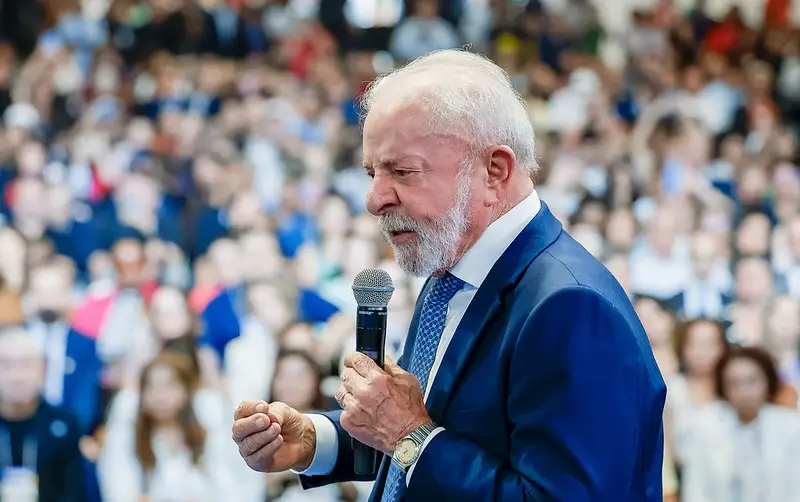
President Luiz Inácio Lula da Silva (PT) sanctioned this Tuesday (24) the so-called PL Antifaction, a legal framework that reorganizes the policy to combat organized crime in the country. The text was approved by Congress after months of negotiation and received only a specific veto from Planalto.
The new law increases penalties for members of criminal organizations, strengthens investigative instruments and creates mechanisms for blocking and disposing of seized assets. In some cases, punishments can reach up to 40 years in prison.
In his speech, the president stated that the law gives the country the chance to arrest “crime tycoons” and not just “kill the lowlifes on the outskirts.”
The president also said that he spoke with President Donald Trump that Brazil would be willing to put all its expertise into combating organized crime and drug and weapons trafficking.
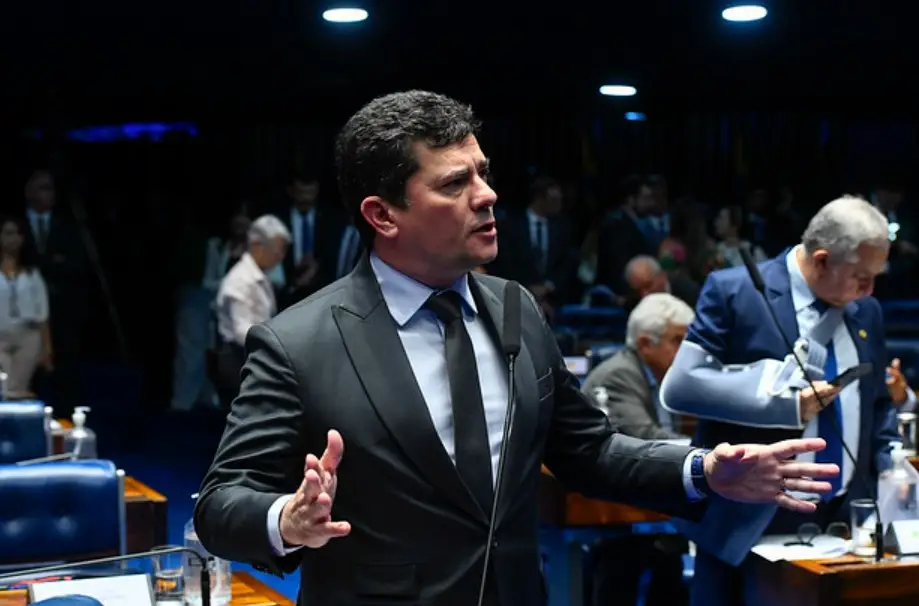
By joining the PL, Moro questions the legitimacy of Lula’s election in 2022
Senator criticizes government, reinforces Bolsonarist speech and targets state dispute
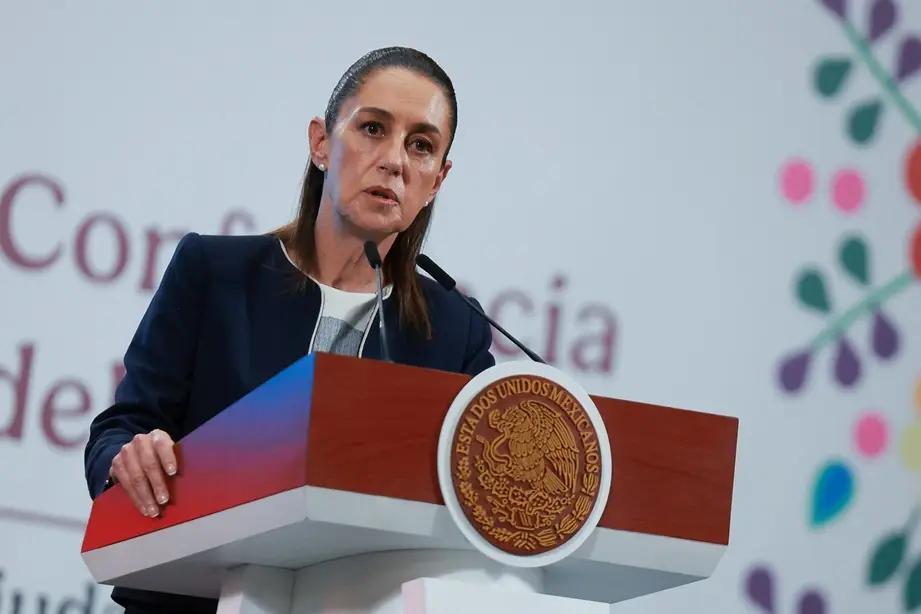
Lula proposes Petrobras-Pemex project, but Mexican president has not yet made a decision
The president also said that the president of Petrobras will visit Mexico in April to jointly discuss the proposal
Veto targets risk of criminalization
The only barred section provided for extending punishments typical of criminal organizations to people involved in actions considered similar. In the government’s assessment, the wording could open up space for broad framing, including social movements and demonstrations.
The sanctioned project does not fully correspond to the original proposal sent by the Executive. During the process, deputies and senators changed relevant points, especially on topics such as increasing penalties and expanding investigative powers.
The Senate ended up reintroducing provisions defended by the government, but the final text was the result of successive adjustments to enable consensus. At times, the vote was postponed due to the lack of agreement between the base and the opposition.
Among the points maintained are the creation of new criminal types, different deadlines for investigations and measures aimed at the financial suffocation of factions.
Strategy aims for protagonism
In addition to the Antifaction PL, the government articulates other initiatives, such as changes in criminal legislation and the defense of the Security PEC. The attempt is to structure a broader response to the advance of organized crime, combining tougher penalties with intelligence policies and integration between security forces.
The sanction also occurs amid an international scenario of greater pressure on criminal organizations. In the United States, Donald Trump’s government is considering classifying Brazilian groups as terrorist organizations, which reinforces the geopolitical weight of the issue.
The government must still publish, in the coming days, a decree to regulate the new law and detail the implementation guidelines for the anti-faction policy.
